Last updated November 22, 2026
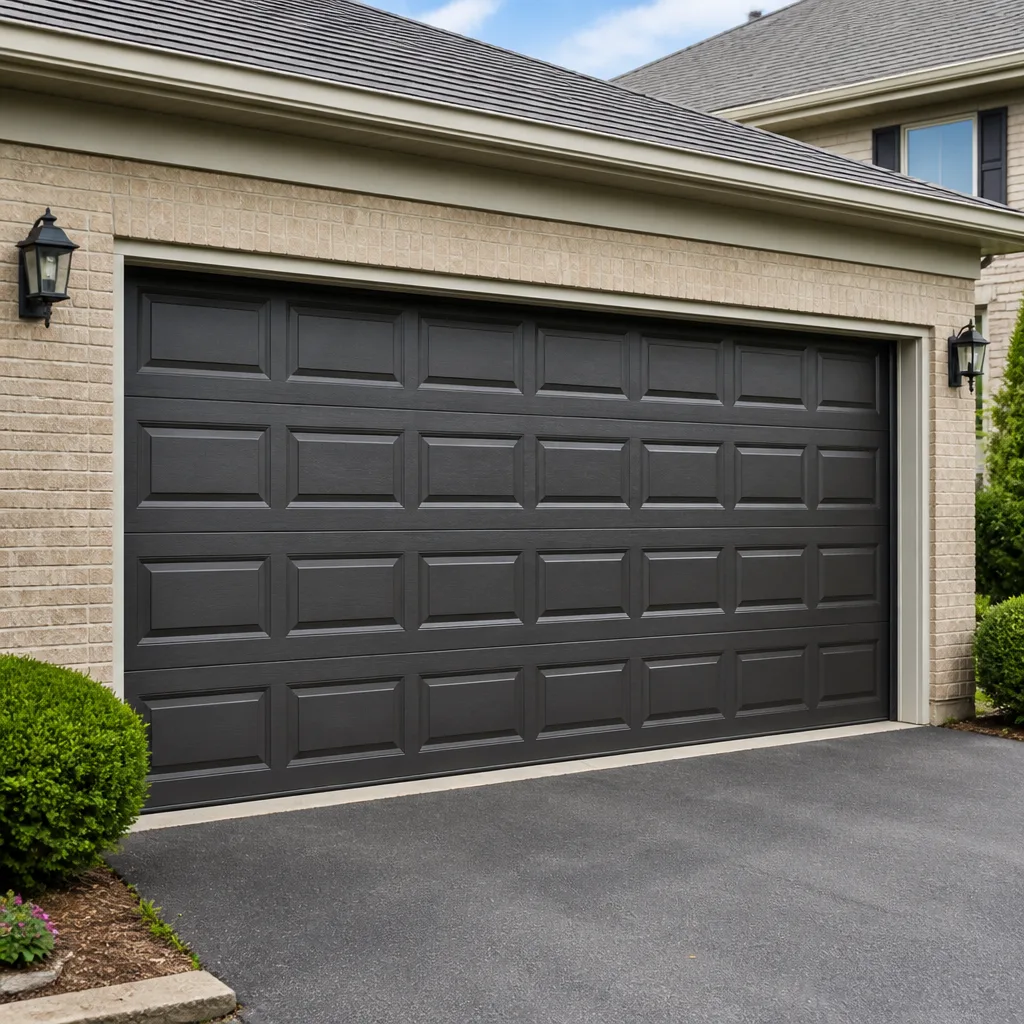 Raised-panel steel
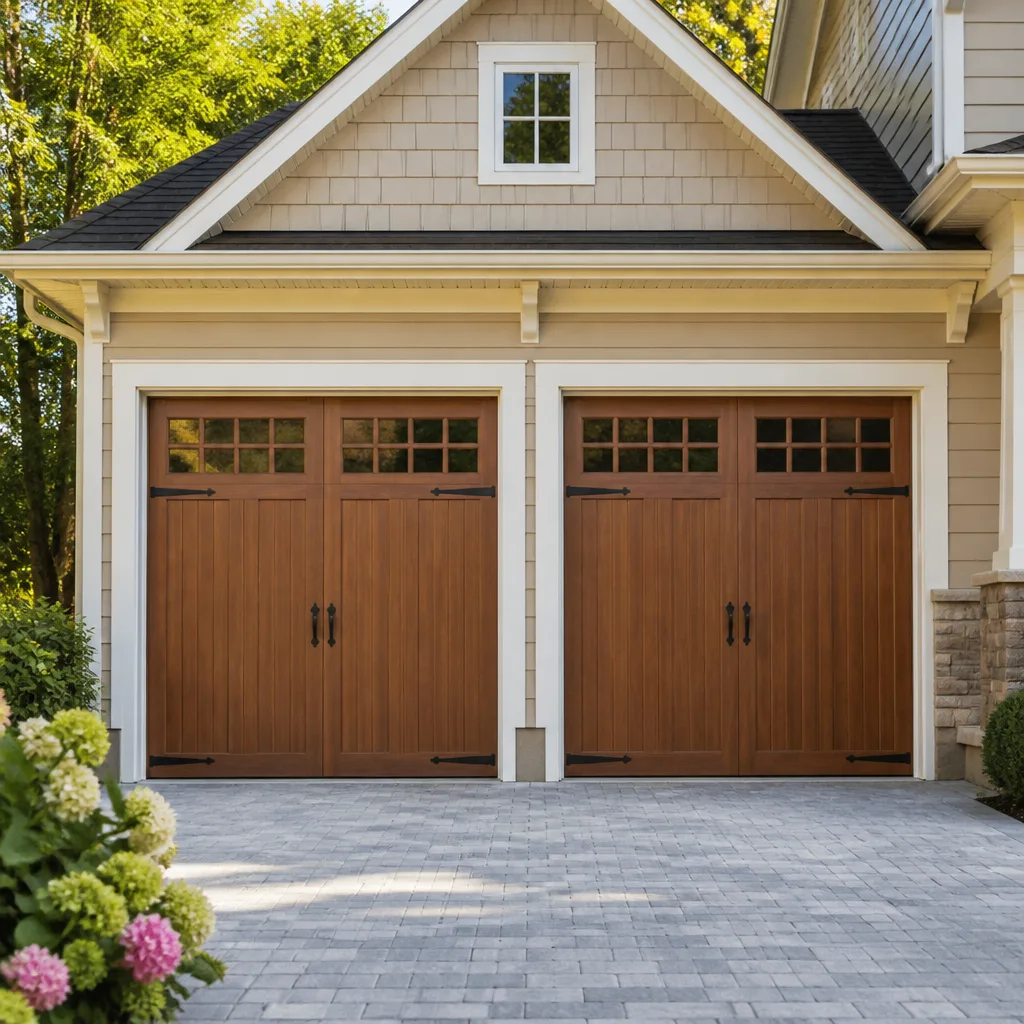 Carriage house
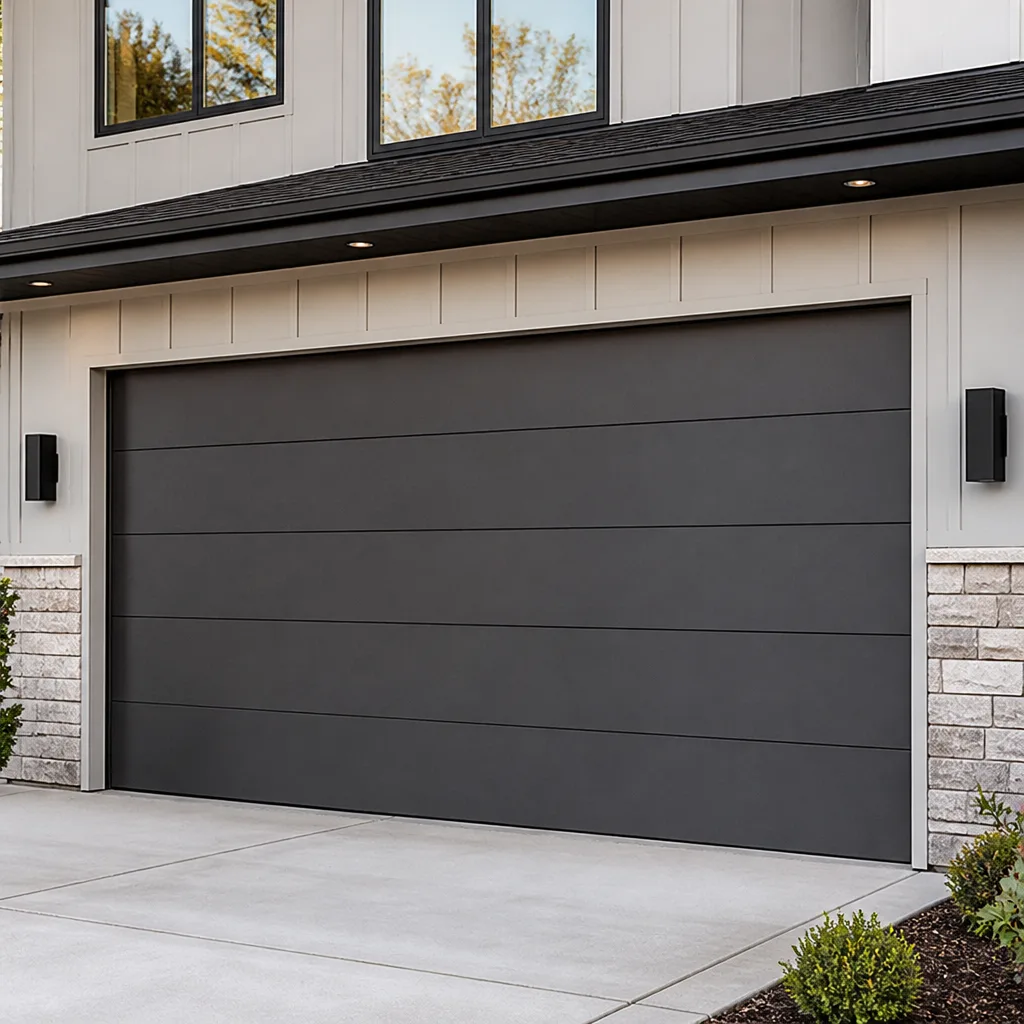 Modern flush
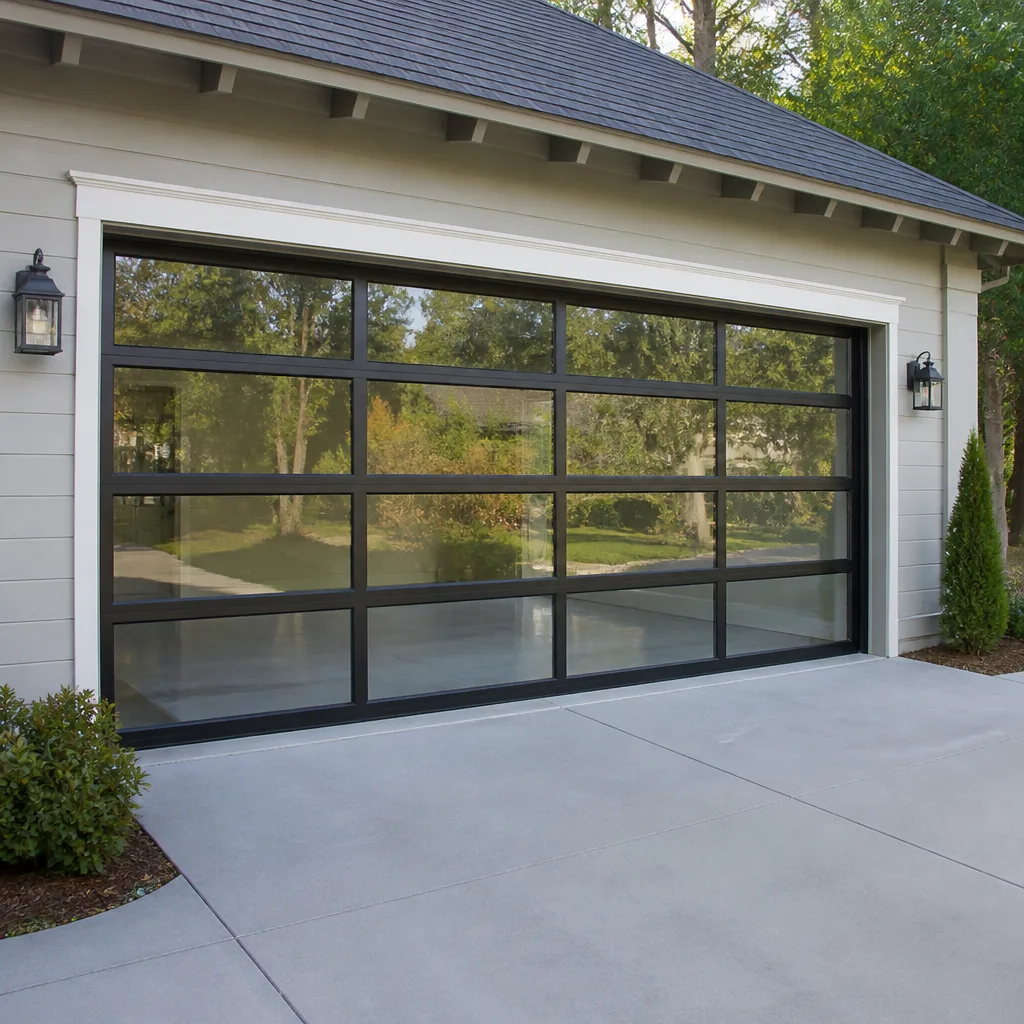 Full-view glass
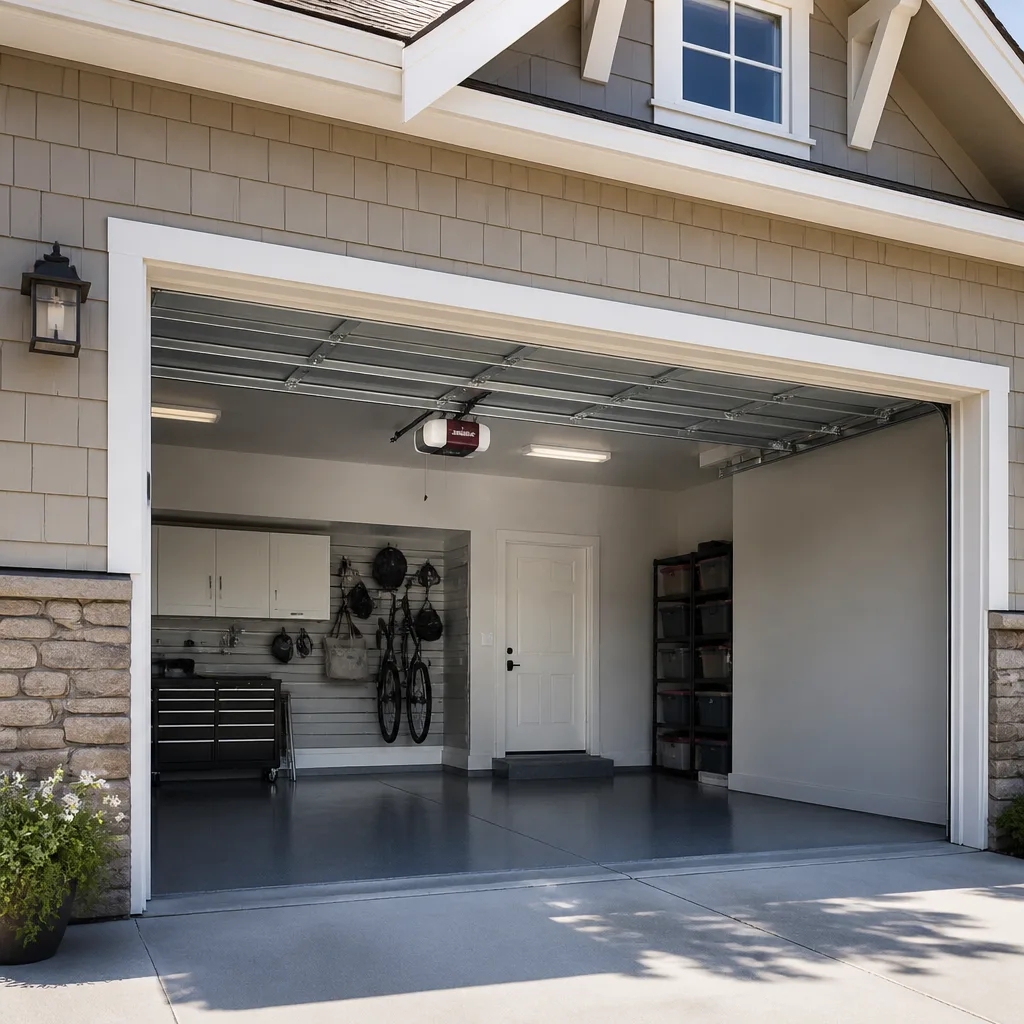 LiftMaster openers
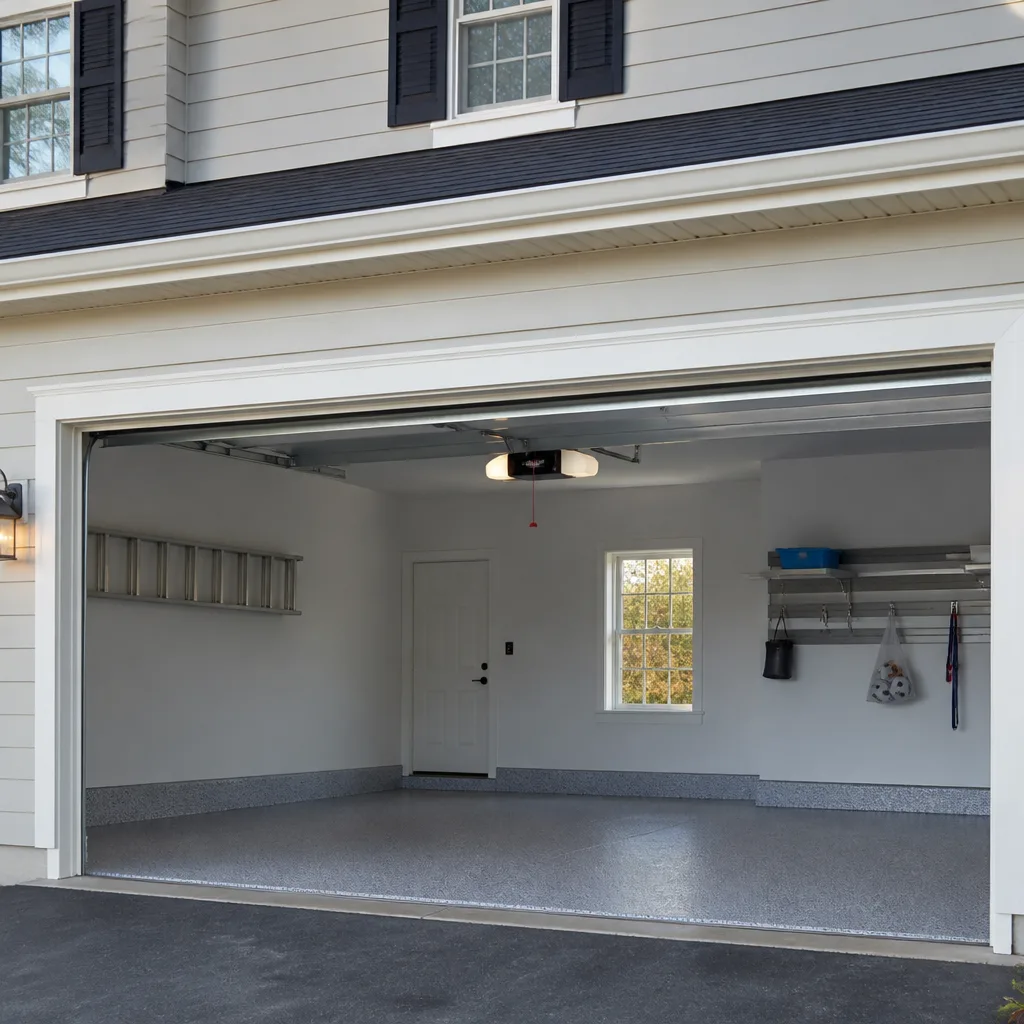 Chamberlain openers
Full 25-point door and opener safety check with every visit - springs, cables, rollers, tracks, and your LiftMaster or Chamberlain opener included
You get a price before we start. It does not change when the pro arrives.
Get your free estimateGarage Door Emergency Preparedness Guide for Seminole Heights Homes
A garage door that won’t close during a named storm is a structural problem, not a convenience one. When wind gets inside a house through an open garage, pressure builds against the roof from below, and that upward force is what lifts roofs off in hurricanes. Most preparedness guides miss this. They treat every garage door failure the same way, as a morning annoyance that traps the car. In Seminole Heights, though, you’re dealing with two completely different emergencies. One is mechanical. One is weather. They need different plans, different phone calls, and different skills. This guide walks you through both: how to think about storm exposure, how to test and document your door before hurricane season, how to get any of the major openers released safely when the power dies, and when to stop handling it yourself and call a trained technician.
Quick Answer
Garage door emergency preparedness in Seminole Heights means two things: a plan for mechanical failure (spring break, snapped cable, dead opener) and a plan for storm exposure (a door that won’t close while a named storm is bearing down). For the first, know your emergency release and call a specialist. For the second, close and secure the door before landfall, never during it, and treat wind-rated doors and battery backup openers as the preparation that matters most.
Styles & brands we work with
- Raised-panel steel
- Carriage house
- Modern flush
- Full-view glass
- LiftMaster openers
- Chamberlain openers
Table of Contents
- The Two Kinds of Garage Door Emergency in Seminole Heights
- How to Release a Garage Door Manually During a Power Outage
- What a 130 mph Wind-Rated Garage Door Really Means
- The Storm Failure Sequence: Who to Call and in What Order
- Pre-Season Steps Before Hurricane Season
- Battery Backup and Smart Openers in Seminole Heights
- Documenting Your Door for Insurance
- Everyday Failures: Springs, Cables, and Track Damage
The Two Kinds of Garage Door Emergency in Seminole Heights
Seminole Heights homes sit in one of Tampa’s oldest residential neighborhoods, and that shapes how garage doors fail here. Much of the housing stock dates to the 1910s through the 1950s, and lots of those homes have detached or rear-loaded garages that were added or converted over the years. Detached garages take more direct sun and heat than an attached one, and the humidity that hangs over this neighborhood from June through September works on steel, wood, and hardware constantly. A torsion spring that was fine in February can snap without warning in August.
That’s the everyday emergency: the car is trapped, the kids aren’t picked up, the door is stuck halfway and you have somewhere to be. It’s a mechanical failure and it’s predictable enough that you can prepare for it.
The second kind is the storm emergency. When a hurricane or tropical system threatens Seminole Heights, the garage door becomes the largest opening in the structure. If it’s left open or it fails to close, wind pressure gets in and pushes against the roof deck. The result is exactly what the weather services warn about: the garage door is the first weak point and the roof is what fails next. Hillsborough County evacuation orders and storm prep here are serious business, and the door is part of that prep.
The mistake almost every homeowner makes is treating these as one problem. They aren’t. A mechanical failure needs a technician. A storm failure needs pre-season preparation and a firm rule about timing. Keep the two separate in your head and you’ll respond correctly when something actually goes wrong.
How to Release a Garage Door Manually During a Power Outage
Every garage door opener has a manual release, and every homeowner should know where it is and how it works before they need it. That said, releasing a door by hand is safe only when the door is balanced, the springs are intact, and you understand which way it will move. If you’ve heard a bang from the garage and one side of the door looks saggy, don’t pull the release. Call a technician.
For a normal power outage where the door was working fine until the lights went out, the release process is straightforward. Here’s the sequence:
- Make sure no one is standing under the door before you release anything.
- Locate the emergency release cord, which hangs from the opener rail on most systems. On trolley-type openers it’s usually a red-handled cord with a rope attached.
- Stand to the side of the door, not directly in front of it, and pull the cord straight down and toward the opener. The trolley disengages and you should hear a click.
- Lift the door slowly by hand. A properly balanced door should move with modest effort. If it feels heavy or it crashes down on its own, stop, close the door, and leave it until a technician can look at it.
- To re-engage, close the door fully, then pull the cord again or run the opener to re-latch the trolley.
Model differences you should know
The release process is broadly the same across the major brands we service, but the details differ and it’s worth checking yours before an emergency:
- LiftMaster and Chamberlain (same parent company) use a trolley release with a red handle and, on newer models, a lockout that prevents re-engagement while the door is up. You’ll need to close the door completely before re-engaging.
- Craftsman openers use a similar trolley release but the cord position is often further back on the rail, especially on older chain-drive units. Check that the cord isn’t tangled in the belt or chain.
- Genie openers on screw-drive and belt-drive models use a distinct release lever setup. On some models the release is a pull tab rather than a cord, and you may need a screwdriver to get at it on older installations.
- Wayne Dalton and Amarr doors often ship with openers from one of the above brands, so the release behavior depends on the opener, not the door.
A door with a broken spring should never be released. Without tension on the spring, the door will drop hard. We’ve seen vehicles and worse get hit that way. If you’re unsure whether the spring is intact, call before you pull anything. For Garage Door Repair Seminole Heights we handle the release and re-engagement safely as part of the job.
What a 130 mph Wind-Rated Garage Door Really Means
A “130 mph wind-rated” garage door isn’t just a marketing sticker. It means the door, its tracks, its hinges, its rollers, and its mounting anchors were tested as a system to resist a specific wind pressure without the panels flexing out of the tracks or the door failing. The rating is only valid if every component in that system was installed to spec.
Here’s the part most homeowners don’t know: the door alone isn’t what earns the rating. The tracks, the reinforcement struts, the anchor bolts into the framing, and how many anchor points are used all count. A correctly rated door installed with undersized anchors or too few of them will fail below its rating. We see that in Seminole Heights more than you’d guess, especially on garage conversions and older structures where the framing wasn’t built for a heavy door.
So what should you check?
- Look for the door manufacturer’s label. Clopay, Amarr, Wayne Dalton, and most major brands print the rating on the interior panel or on a tag near the top section.
- Check the reinforcement struts. A door rated for high wind almost always has horizontal struts across the top sections. If yours doesn’t and you’ve been told it’s wind-rated, get a second opinion.
- Look at the anchors that hold the tracks to the framing. They should be substantial, through-bolted into solid wood or steel, not short screws into drywall or thin aluminum.
- Check the bottom seal. Wind gets under a gap at the floor and lifts the door. That’s the front door for a 130 mph failure.
If your current door isn’t rated, replacement with a properly rated system is the only real fix. A retrofit that adds struts to a non-rated door can improve stiffness, but it doesn’t make an unrated door rated. That’s a conversation to have well before hurricane season, not during it, because garage door installation involves measurement, ordering, and scheduling. You’ll want a written price and a lead time you can plan around.
The Storm Failure Sequence: Who to Call and in What Order
When a garage door fails during or immediately after a storm, the order of operations matters. Getting this wrong creates real safety risk. Here’s the sequence we recommend, in plain terms.
- Do not attempt repair during the storm. If the door is open or partially open and wind is active, stay inside and away from the opening. No repair is worth the exposure. If you have an interior door or entry point into the garage, close it and seal what you can from the house side.
- After the storm, do a visual safety check from a distance before you get close. Look for a door that’s twisted, off its tracks, hanging from one side, or with a visibly broken spring or snapped cable. Look at the roof for damage above the garage. If any of those are present, don’t touch it.
- Check for structural and utility hazards around the door. Downed power lines, gas odor, water intrusion into electrical openers, and sagging framing all change the response. If there’s a gas smell or downed lines, call the utility first, not a garage door company.
- Then call a garage door specialist. Describe what you see: is the door open, closed, twisted, off track? Is the spring intact? Is there power? That information tells the technician how to approach it and whether they need a two-tech crew.
- Secure the opening if the door can’t be repaired right away. Plywood or a temporary panel across the opening from the inside is standard for storm damage, and your insurance may want documentation of the temporary measure.
The one call we don’t want you making is to a general handyman who hasn’t done storm-related door work. A twisted door under tension is genuinely dangerous to handle, and the adjustments are specific to the brand and model. Our team works on the door and opener brands actually installed in Seminole Heights homes, so the diagnosis starts from the right place.
Pre-Season Steps Before Hurricane Season
The most useful garage door preparation happens in the calm weeks before June, not during a watch or warning. Here’s the checklist we suggest for Seminole Heights homes. Run through it once in spring and you’ll know exactly where you stand.
- Test the emergency release. With the door closed and the opener disengaged (or the breaker off), pull the release cord and lift the door by hand. It should rise easily and stay up on its own when let go halfway. If it drifts down or feels heavy, the springs or balance are off and you need a technician.
- Verify battery backup. If your opener has a battery backup, check that the battery is present, charged, and not swollen or leaking. Most openers will run on backup power for a limited number of cycles. Test it by disconnecting the opener from the mains and running the door once.
- Inspect the weather seal and bottom seal. Look for gaps under the door, cracked rubber, or daylight visible from inside. A tight seal keeps wind from getting under the door and keeps rainwater out of the tracks.
- Check the tracks for looseness. Grab each track and give it a firm push. It should feel rigid, not springy. Loose track mounts are a common failure point on older Seminole Heights garages.
- Record your door’s specs. Take photos of the manufacturer label, the springs, the opener model plate, and the track anchors. Store them somewhere you can reach without going into the garage (a cloud folder, email to yourself).
- Get a written assessment. A trained technician can tell you in about fifteen minutes whether your door is rated, whether the springs are aged, and what the realistic wind performance is. That’s a free estimate in our case, and it gives you a document you can hand to an insurer.
Do this in April or May. By the time a storm is in the forecast, the useful window for measuring, ordering, and scheduling is gone, and every company in the area is booked.
Battery Backup and Smart Openers in Seminole Heights
Newer openers, particularly the smart and wi-fi models from LiftMaster and Chamberlain, change the outage picture. A battery backup keeps the door operating when the grid goes down, which matters most during a storm when you may need to get a vehicle in or out and you don’t want to be releasing a door by hand in the dark.
But battery backup has limits worth understanding before you rely on it:
- It runs a limited number of open/close cycles, not indefinitely. Read the manual for your model’s rating.
- The battery is a wear item. It should be replaced periodically, and it degrades faster in hot garages, which is exactly what Seminole Heights has.
- Smart features (app control, alerts, remote monitoring) generally don’t work during an outage even with backup, because the network is down.
- Newer MyQ and LiftMaster smart openers can send you a notification if the door is left open. That’s genuinely useful in storm prep, because you can confirm from your phone that the door is down before you leave or before you sleep.
If your opener is older and doesn’t have backup, that’s a straightforward upgrade. Where a smart opener is acting up (dropped connection, phantom openings, remote that won’t pair), it’s usually a board or logic issue rather than the door itself, and garage door opener repair handles it. We work with the brand already in your garage, so we’re not asking you to swap systems to get it diagnosed.
Documenting Your Door for Insurance
Most homeowners in Seminole Heights don’t have good documentation of their garage door until they need it. That’s the wrong order. Insurance claims for storm damage go smoother when you can show what was there and what shape it was in before the event.
What to capture:
- Manufacturer label photos. Model number, wind rating if shown, serial number. Photograph the label from a few angles, because they can be hard to read.
- Spring and hardware shots. Close-ups of the torsion or extension springs, the cables, the hinges, and the rollers.
- Opener plate. The model number is usually printed on the back of the opener housing or under the light cover.
- Wide shot of the whole garage. Show the door in context with the framing, the floor, and the driveway.
- Date-stamped notes. Write down the date, the condition, and any recent service. A simple note on your phone with a photo attached is enough.
If you’ve had a technician out for a seasonal check, ask for a brief written summary of the door’s condition and the brand/model details. That document does more for you at claim time than a folder of receipts.
Everyday Failures: Springs, Cables, and Track Damage
Most garage door emergencies in Seminole Heights have nothing to do with weather. They’re mechanical, and they cluster around a few specific failures. Knowing which one you’re looking at tells you how urgent it is and whether you can leave the door closed until help arrives.
- Broken torsion spring. You’ll usually hear a loud bang from the garage. The door won’t lift, or lifts a few inches and stops. The door is under unbalanced load and should not be operated. This is the most common failure we see, and it’s also the most dangerous to handle without training.
- Snapped lift cable. One side of the door drops or looks crooked, and the cable is visibly loose or frayed. Don’t release the opener and don’t force the door.
- Off-track door. A roller has jumped the track, usually after a bump or a worn hinge. The door may close at an angle or leave a gap. If it’s fully off one side, stop using it.
- Opener runs but door doesn’t move. Often a stripped gear, a broken trolley, or a disconnected release. The door itself is fine; the opener needs attention.
- Door reverses immediately. Usually a safety sensor issue or a binding track. Sometimes a sign of something worse starting.
Springs and cables are where we draw a hard line on DIY. Replacing a torsion spring means handling several hundred pounds of stored tension on a wound spring. Getting it wrong can break bones or worse. A trained technician uses the right winding bars, the correct springs for the door’s weight, and a controlled process. That’s a job for a professional, always. If you’ve had a spring fail, the fastest path back to normal is to call and get it diagnosed. In our experience, the majority of spring jobs are straightforward once the door is measured and the right spring is on hand.
Common Mistakes to Avoid
- Pulling the emergency release on a door with a broken spring. Without spring tension the door drops hard. If you hear a bang from the garage, treat the release as off-limits until a technician checks it.
- Waiting until a storm watch to test the door. By then it’s too late to order parts or schedule an install. Test and document in spring, not when a cone is on the map.
- Assuming a “wind-rated” claim is real without checking the label. A lot of Seminole Heights homes have doors that were sold as rated but lack the struts or anchor depth to back it up. Verify before hurricane season.
- Hiring a general handyman for a spring or off-track job. These are the two highest-risk failures in the trade, and generic handyman coverage usually excludes them for good reason. Specialists handle them.
- Skipping the battery backup test. A backup that’s never been checked is a backup that may not work in an outage. Test it once a season.
- Not documenting the door before a storm. Photos and label shots taken in calm weather are worth far more at claim time than anything you can reconstruct after damage.
- Leaving the door open during a storm to “let wind through.” The opposite of safe. Closing and locking the door is the goal, never opening it. Wind inside the garage is what destroys the roof.
See the difference
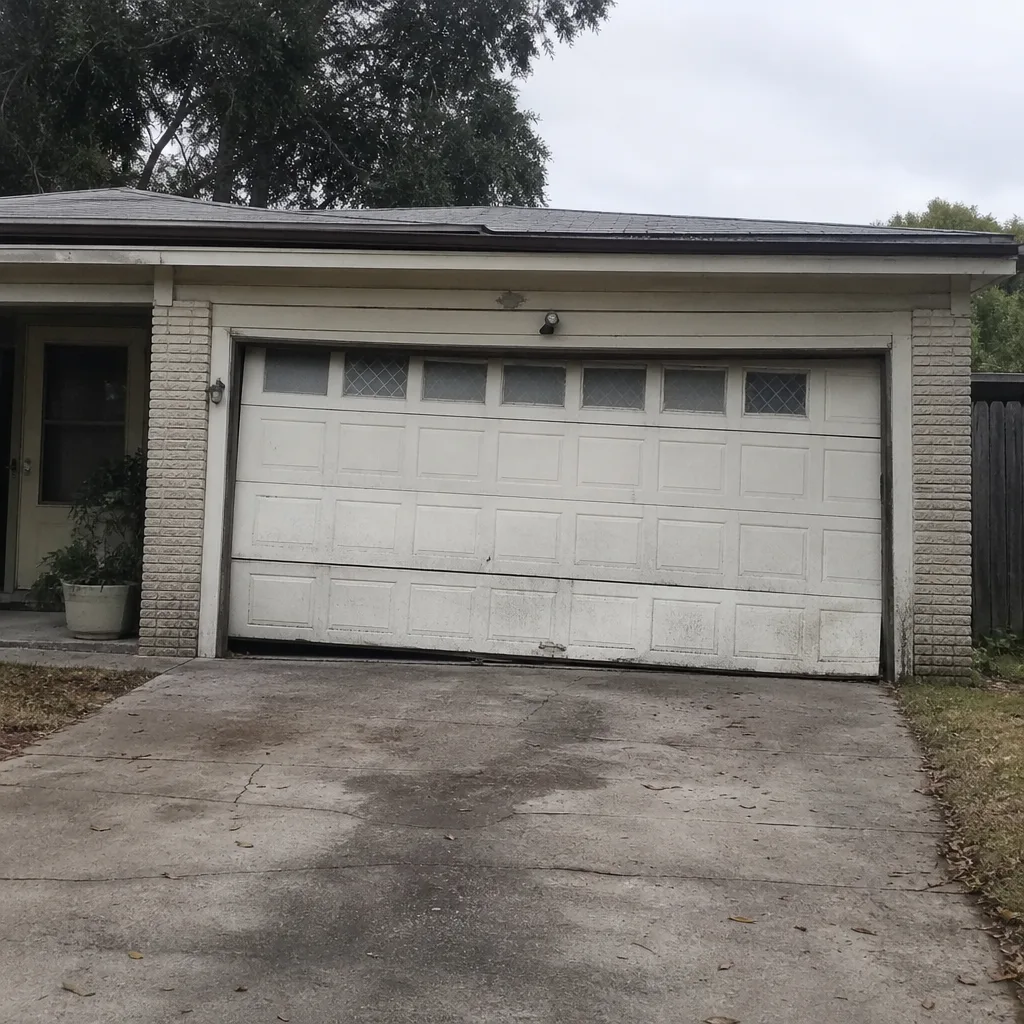 Before
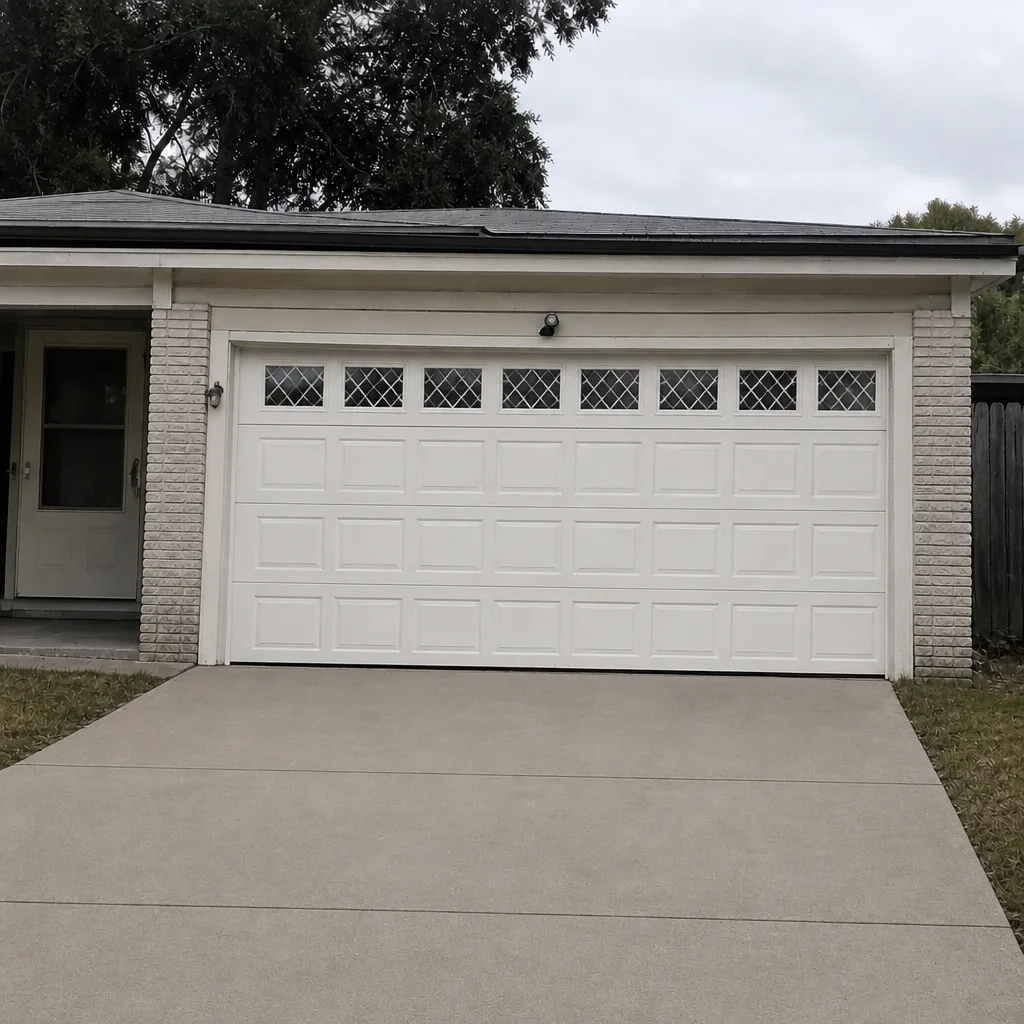 After
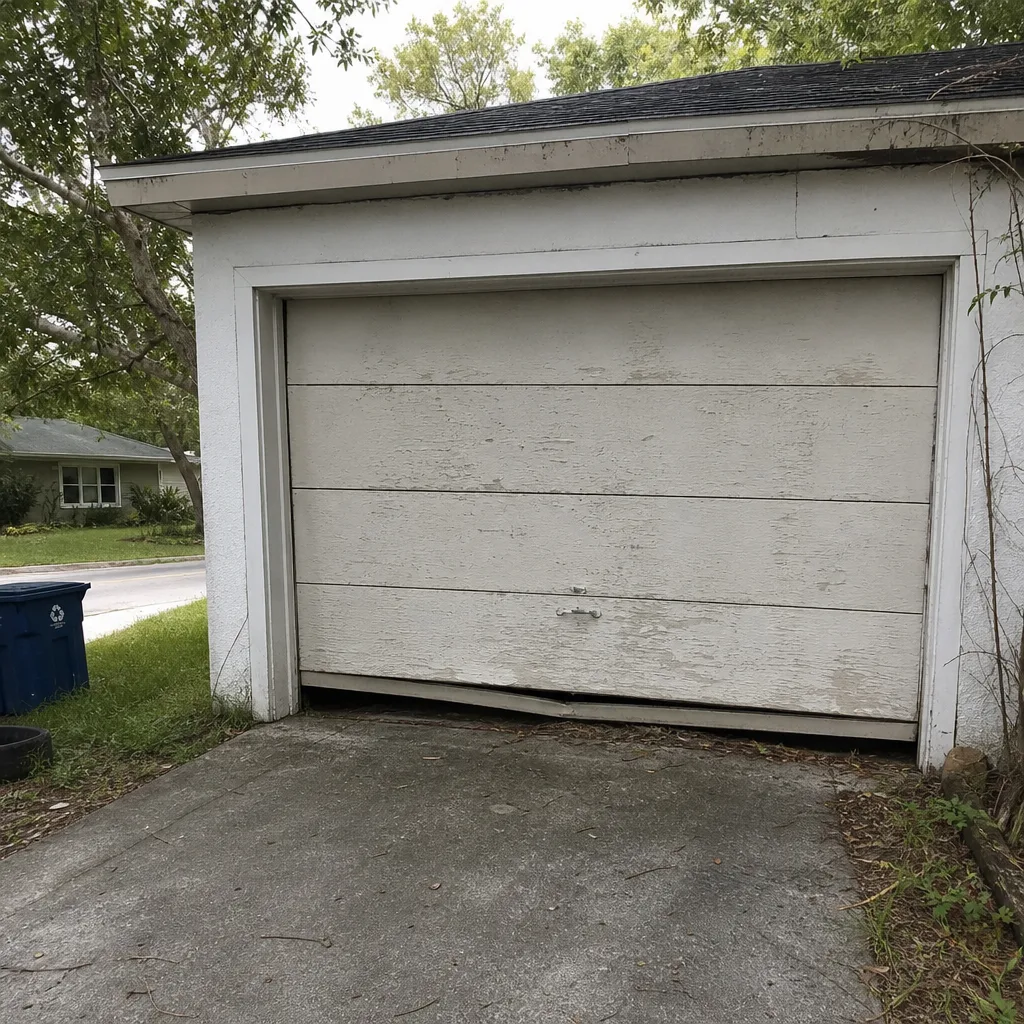 Before
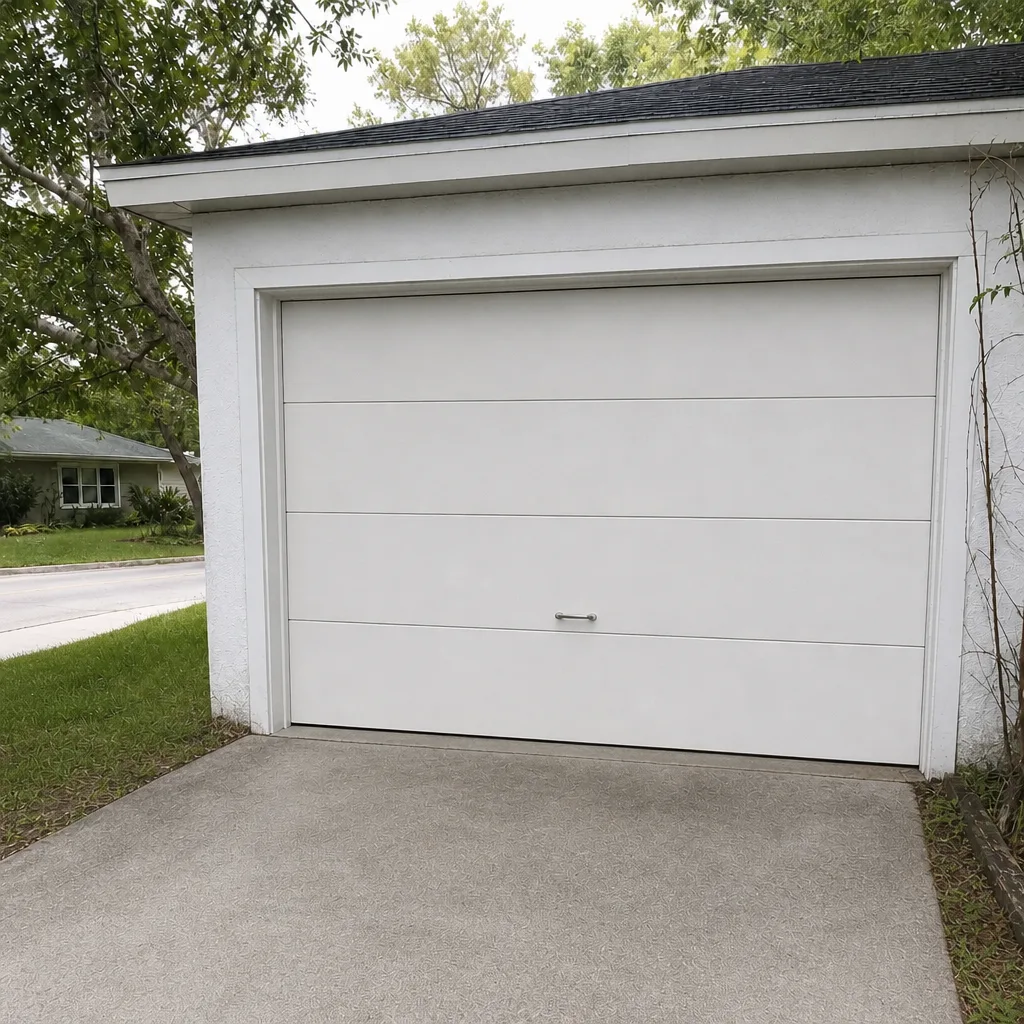 After
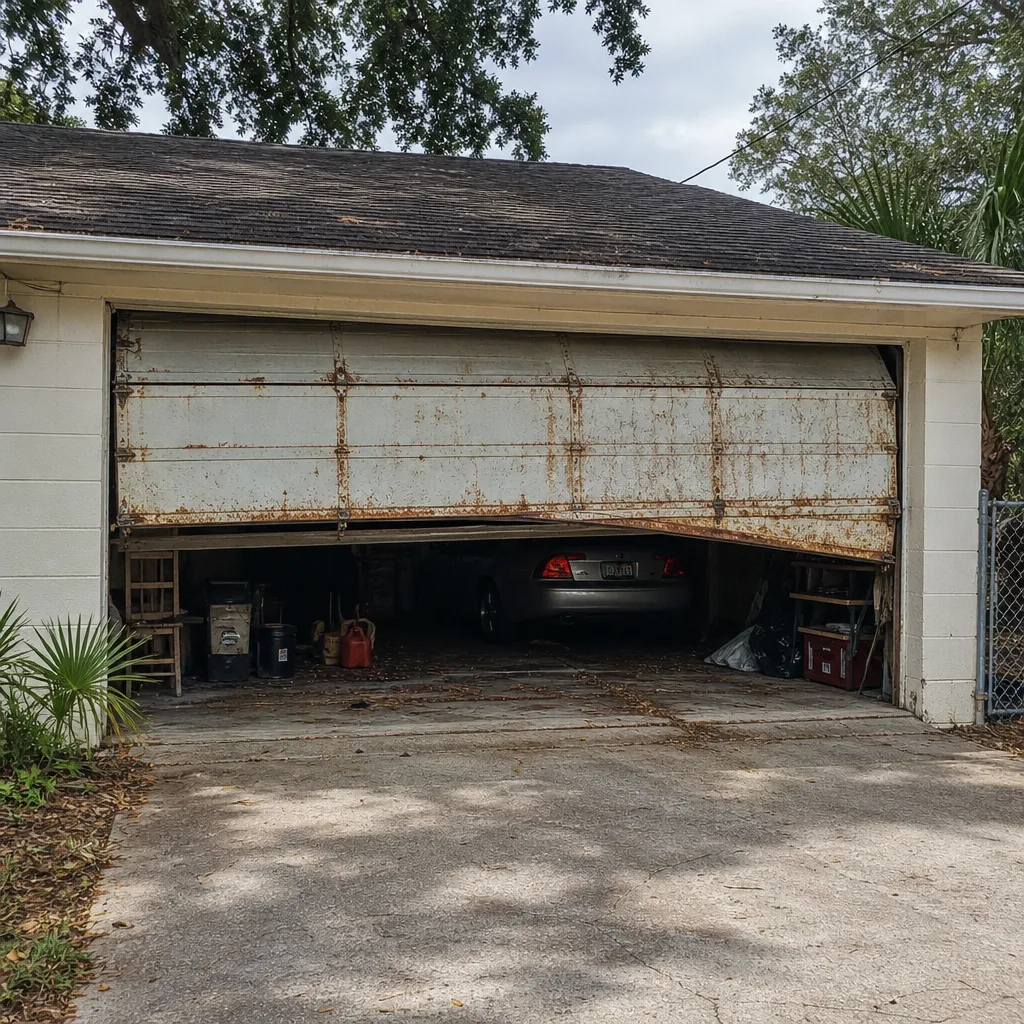 Before
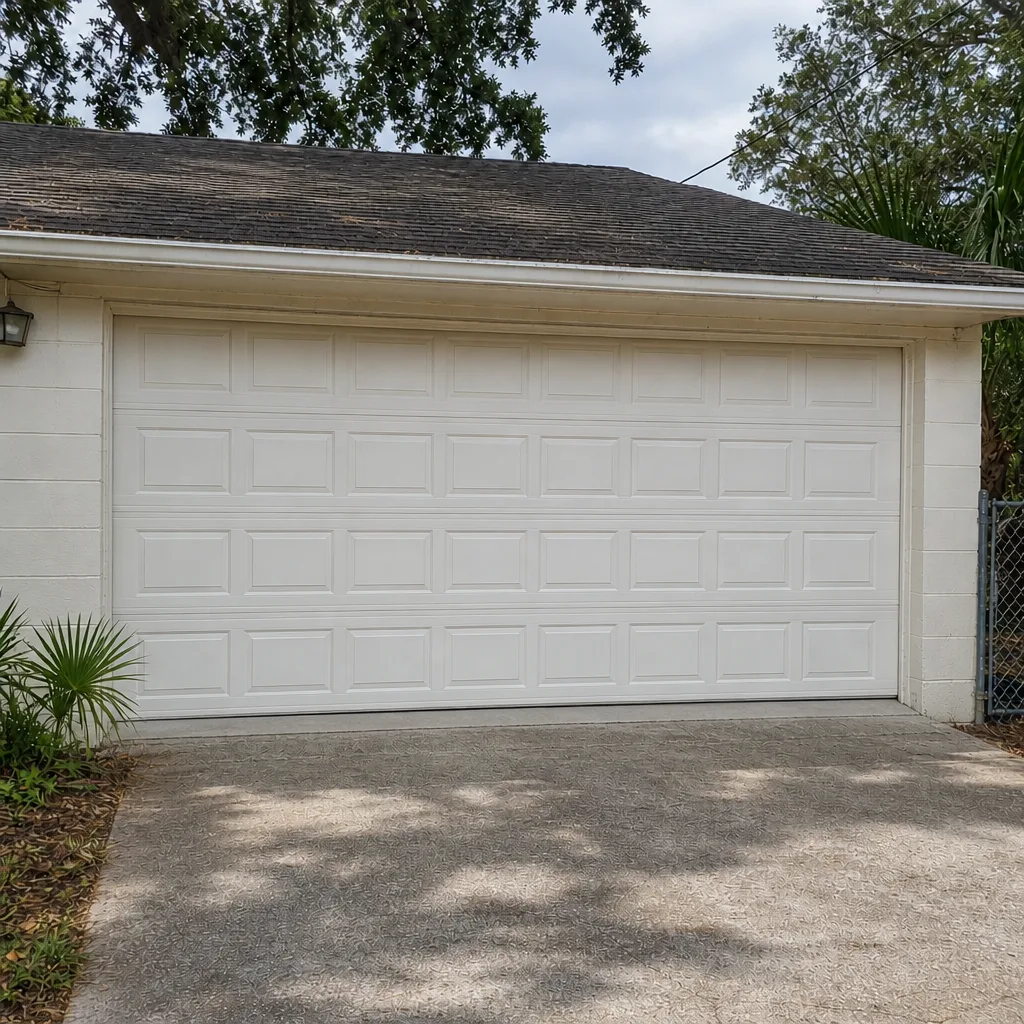 After
When to Call a Professional
Some things you can handle. Some things you shouldn’t. Call a trained technician when a spring has broken, when a cable snaps, when the door is off its track, when the opener runs but the door doesn’t move, when the door reverses on its own, or when a storm has left the door twisted or partially open. Also call when you’re not sure whether the door is wind-rated and you want a professional opinion. Most garage door problems get worse when handled wrong, and the difference between a quick fix and a full replacement often comes down to whether the first call was made to a specialist. Spring and opener work in particular should be handled by someone with training and the right parts. Garage Door Repair Seminole Heights offers free estimates in Seminole Heights – call (877) 757-4452. Whether it’s a broken spring, a dead opener, or a storm check before the season starts, one call covers it.
Frequently Asked Questions
Pull the emergency release cord that hangs from the opener rail, then lift the door by hand. Do this only if the door was working normally before the outage and you don’t see or hear signs of a broken spring or cable. If the door feels heavy or crashes down when you let go, stop and call a technician.
It means the door and its full mounting system (tracks, struts, anchors) were tested to resist wind pressure up to 130 mph without failing. The rating only applies if the door was installed with the correct hardware and anchor depth. A door rated for 130 mph on paper isn’t rated in practice if the tracks are anchored with short screws into thin material, so the installation matters as much as the door. Call (877) 757-4452 to have a technician check yours before hurricane season.
Because an open garage is the fastest way for wind pressure to get inside a house and push upward on the roof, which is how most roofs fail in a hurricane. The garage door is the largest opening in the structure. Closing and locking it is one of the highest-value storm prep steps you can take, and it’s the one most often skipped.
The local professionals we connect you with are licensed and insured as their state requires. We can confirm credentials before scheduling. Our own technicians have up to 15 years of experience with the major garage door and opener brands.
No. If you suspect a broken spring, snapped cable, or off-track door, do not pull the emergency release. A door in that condition is under unpredictable tension, and releasing it can drop the door on a person or a vehicle. Close the door if it’s safe to do so and call a technician instead.
Stay inside and away from the opening until the wind has passed. Do not attempt repair in active wind. After the storm, do a safety check from a distance for a twisted door, snapped cable, or downed power lines, then call a garage door specialist with a description of what you see. If there’s a gas smell or a downed line, call the utility first. Call (877) 757-4452 for a free estimate once it’s safe.
Written by the team at Garage Door Repair Seminole Heights.
The Bottom Line
Seminole Heights has two garage door emergencies, and they need different preparation. The mechanical one (broken spring, snapped cable, dead opener) calls for knowing your emergency release, never releasing a broken door, and calling a specialist who works on your brand. The storm one calls for pre-season preparation: test the release, verify battery backup, check the wind rating and anchors, document the door’s specs for insurance, and know the order of operations if the door fails in a storm. Do the prep in spring. Get a free estimate from a specialist who can check the door’s condition and rating before the season starts, and you’ll be ready for both kinds of emergency. Call (877) 757-4452.
Written by the team at Garage Door Repair Seminole Heights.