Last updated November 22, 2026
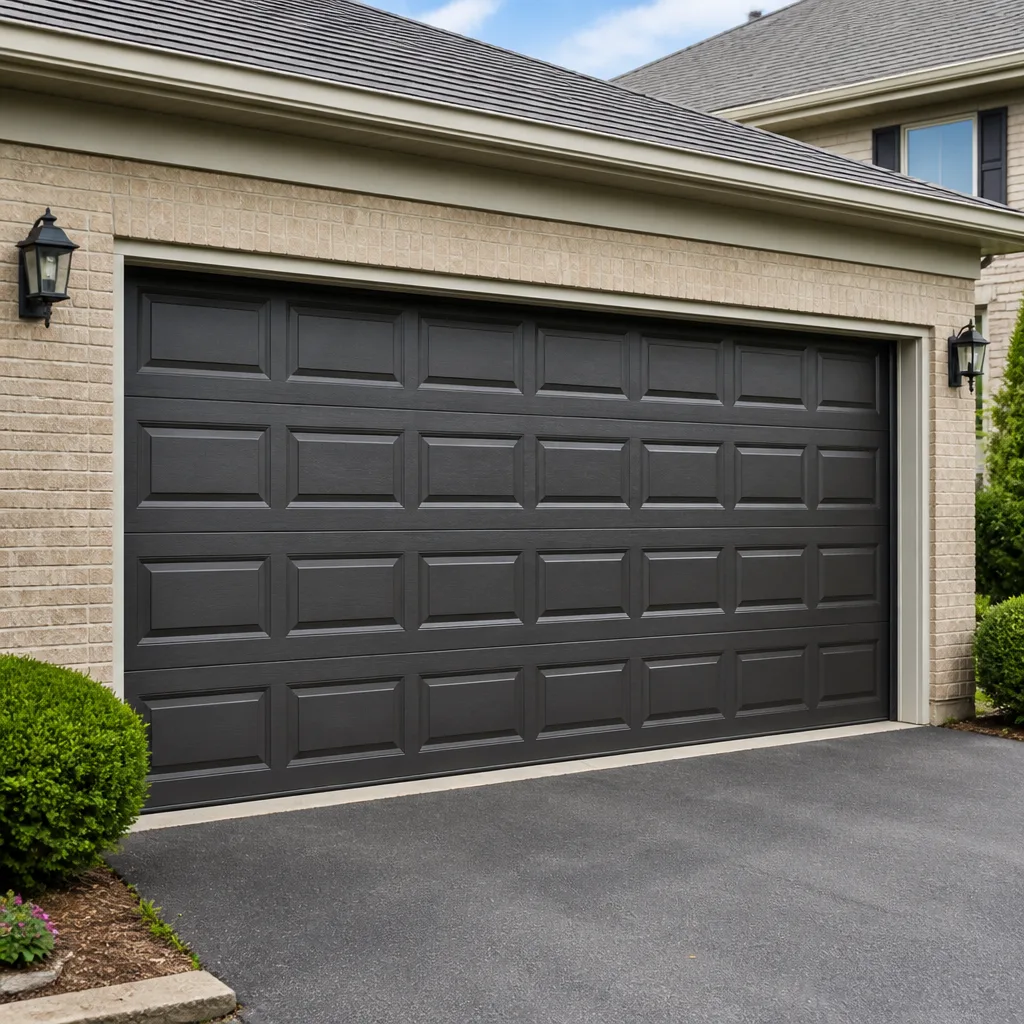 Raised-panel steel
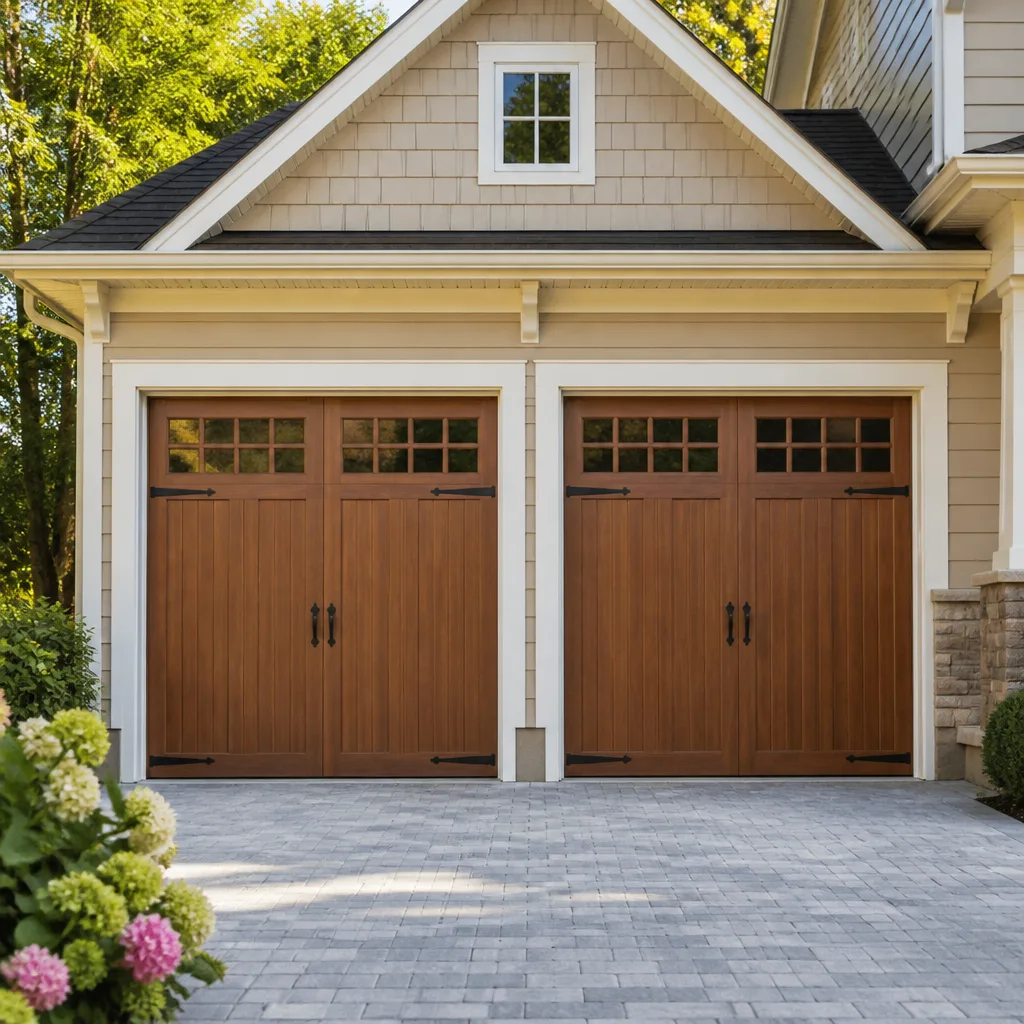 Carriage house
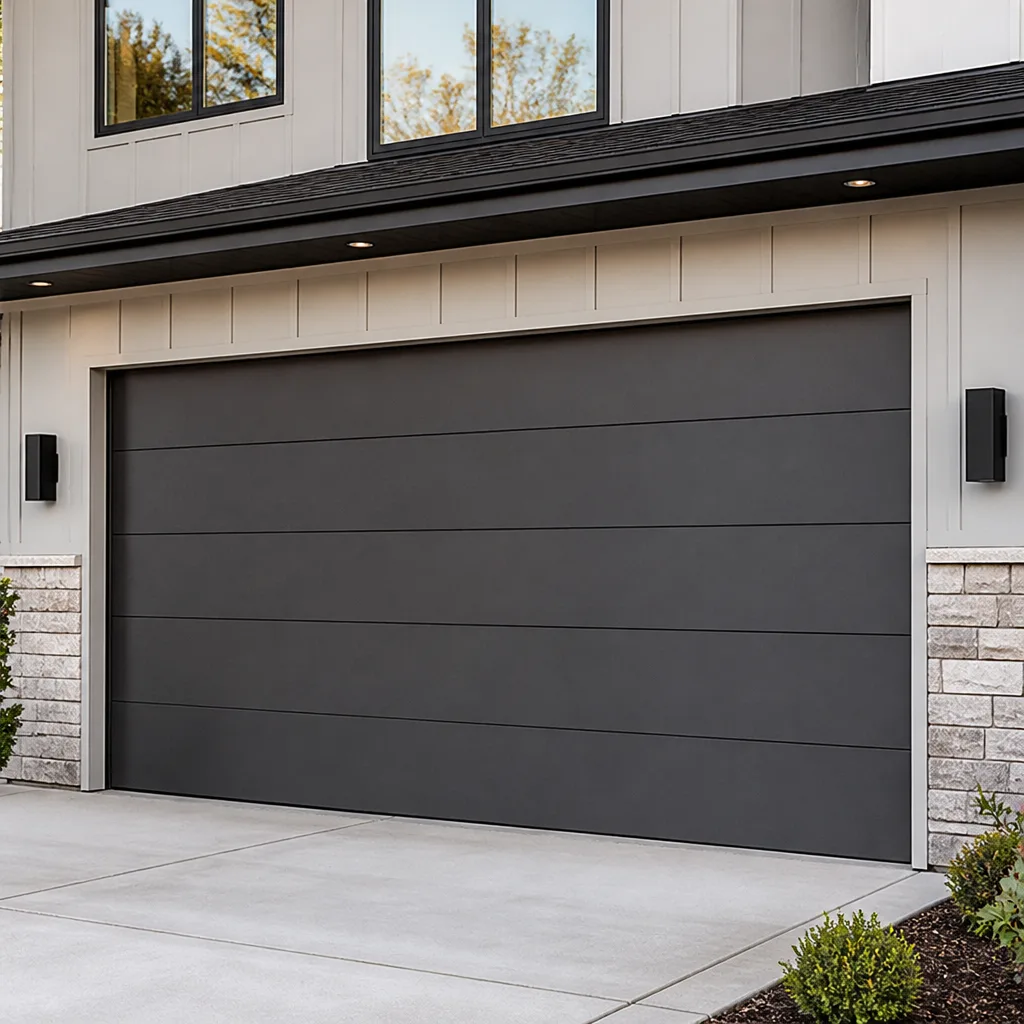 Modern flush
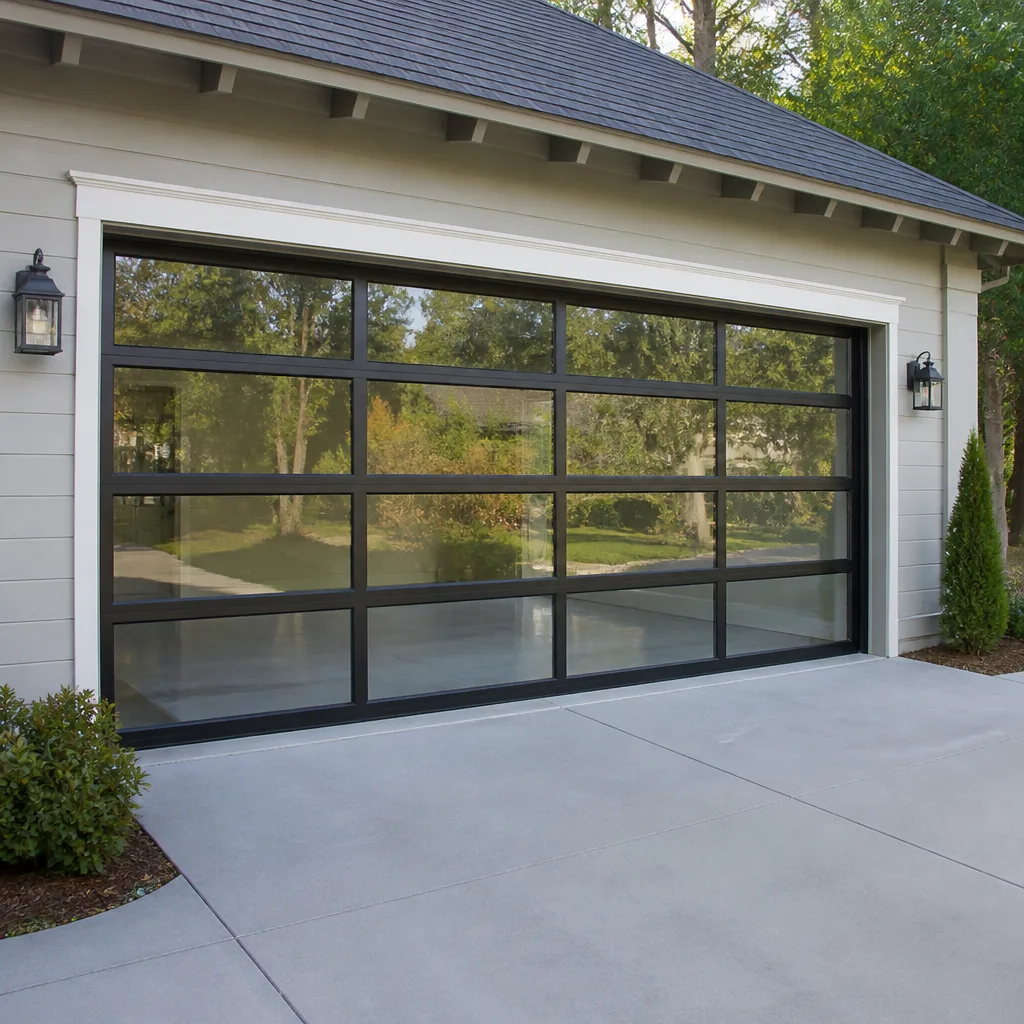 Full-view glass
 LiftMaster openers
 Chamberlain openers
Full 25-point door and opener safety check with every visit - springs, cables, rollers, tracks, and your LiftMaster or Chamberlain opener included
You get a price before we start. It does not change when the pro arrives.
Get your free estimateGarage Door Repair Maintenance Checklist for Seminole Heights Homeowners
Most national garage door advice says lubricate everything once a year and forget it. That timetable assumes a temperate climate with a dry summer and a wet season that ends. Seminole Heights doesn’t work that way. Tampa stays humid nearly year-round, the sun hits west-facing doors hard from May through October, and afternoon thunderstorms push wind-driven rain against the bottom seal several times a week in summer. Components age on a faster clock here, and the failure order isn’t the one the generic checklist predicts. This guide sequences maintenance by what actually fails first in our climate, not alphabetical convenience. You’ll learn the intervals that matter, which checks you can safely do yourself, and which ones to leave alone.
Quick Answer
In Seminole Heights, inspect and lubricate your garage door’s moving metal parts every 90 days rather than annually, test the bottom seal monthly during the rainy season, and check the opener’s auto-reverse function quarterly because heat-expanded doors can trigger false reversals. Springs, cables, and the torsion assembly are not homeowner service items – a visual inspection only, from a safe distance. Everything else on this list you can handle in about fifteen minutes.
Styles & brands we work with
- Raised-panel steel
- Carriage house
- Modern flush
- Full-view glass
- LiftMaster openers
- Chamberlain openers
Table of Contents
- Why 90 Days, Not Once a Year
- The Humidity Problem: Which Parts Fail First
- Testing Your Bottom Seal for Compression and Gaps
- Opener Sensitivity and Auto-Reverse Calibration
- Spring Tension: What You Can Safely Check
- Wet Season vs. Dry Season: Adjusting the Checklist
- Rollers, Hinges, Hangers and the Silent Failures
- When to Stop Checking and Call
Why 90 Days, Not Once a Year
The once-a-year lubrication advice spread by manufacturers is written for climates that get a genuine cold season. In those places, humidity drops in winter, wood and metal contract, and lubricant stays where you put it longer. Seminole Heights runs the opposite pattern. Our air stays warm and moist enough that a light household lubricant on rollers and hinges can wash out or attract dust within three months. Grease on the tracks becomes a grit trap that wears rollers faster than a dry track ever would.
Here’s the practical sequence for your own quarterly check:
- Look at the rollers and hinges for rust bloom or dark residue, which signals old lubricant collecting debris.
- Wipe the tracks down with a damp cloth, then dry them completely. Don’t add grease to the tracks themselves.
- Apply a light, purpose-made garage door lubricant to hinges, rollers, and the bearing plates, not to the torsion bar or spring coils.
- Run the door up and down once and listen for new squeaks or a grinding note that wasn’t there before.
- Note anything that sounded different so you can compare at the next check.
Seminole Heights homes in the older bungalow blocks near the Hillsborough River often have original or long-serving wooden door frames and side jambs. Those absorb humidity and swell slightly through the wet months, which can throw the door out of alignment even when the hardware is fine. When we handle a garage door repair call in this part of town, one of the first things we check is whether the frame moved, not whether the door failed.
The Humidity Problem: Which Parts Fail First
In high-humidity environments, the parts that fail first are your bottom seal, your rollers and hinges, and your opener’s logic board – in roughly that order. Springs do weaken here too, but not because of moisture; it’s the heat cycling through thousands of open-and-close cycles that wears them. Knowing which components go first helps you budget attention where it actually prevents a breakdown.
Here’s the failure order we see most often in Seminole Heights:
- Bottom seal (first to go): Rubber weatherstripping dries, cracks, and loses compression. It’s the cheapest item on your door and the one that causes the most secondary damage. A torn seal lets wind-driven rain, palmetto bugs, and small ground insects straight into the garage.
- Rollers and hinges (second): Steel rollers are the most common culprits. If yours are steel, they may develop flat spots from sitting against the track in the same spot, accelerated by heat. Nylon rollers hold up better in this climate and are worth asking about if yours are due for replacement.
- Opener logic board (third): This is the one most people don’t see coming. Heat cycling and humidity inside a garage can play havoc with the circuit board, especially on smart openers that are always drawing power. LiftMaster and Chamberlain units with myQ connectivity have more components to fail than a basic unit, and they usually fail in the control board before they fail mechanically.
- Springs (ongoing wear): Torsion and extension springs lose tension gradually from use and heat cycling, then one day don’t lift the door at all. A spring doesn’t care about humidity, but you should still look at it.
If you’re running a Raynor or Genie system that’s been in place for some time, the opener board failing quietly is the most common thing we diagnose. The door rises but stops short, or the remote works intermittently, or the wall control won’t respond. That’s usually an opener problem, not a door problem. That’s exactly the kind of work we handle through garage door opener repair.
Testing Your Bottom Seal for Compression and Gaps
The bottom seal is the most overlooked part of a garage door in Seminole Heights, and it’s the one doing the most work against water intrusion and pests. A seal that has lost its compression lets in the afternoon rain that slants in from the west during summer storms, and it leaves a gap for palmetto bugs and other ground insects to get into your garage. You can test it in about two minutes.
Here’s how to check your seal without tools:
- Close the door fully and stand inside the garage looking at the bottom.
- Look for any daylight showing under the door along its full width. A little light at the corners is normal; light along the middle means the seal isn’t compressing.
- Run your hand along the bottom edge from inside to feel for soft, squishy, or crumbling rubber. Firm, springy rubber is good; hard, cracked, or powdery rubber is due for replacement.
- Look for tears, folds, or sections where the rubber has pulled away from the retainer.
- After a heavy rain, check for wet spots on the floor right at the threshold, especially where the concrete slopes toward the garage. That’s usually seal failure, not a drainage problem.
If your seal needs replacing, it’s a parts question, not a repair. We keep seal material on hand for the brands we work on, which saves the days of waiting that come from special-ordering a simple rubber strip. Our technicians have up to 15 years of experience replacing seals and can usually finish the job in a single visit. The written estimate comes before any work begins, so you know what you’re paying.
Opener Sensitivity and Auto-Reverse Calibration
Auto-reverse checks matter more in Seminole Heights than the generic advice suggests, because heat expansion changes how your door behaves. As the door warms through a summer day, the panels, tracks, and even the torsion assembly expand slightly. A door that tested fine on a cool morning can bind just enough under heat to trigger a false reversal. A sensitivity setting that’s slightly off can turn that bind into a door that reverses halfway down for no obvious reason.
Test the auto-reverse function quarterly with a physical check:
- Open the door fully, then close it and watch the full travel path.
- During the descent, place a sturdy object (a roll of paper towels or a piece of scrap lumber, nothing you care about) in the middle of the opening.
- The door should reverse immediately on contact. If it presses down on the object before reversing, the sensitivity needs adjustment.
- Repeat the test with the door opened only partway, to simulate a partial-open cycle.
- Also test the safety sensors at the bottom of the tracks: wave an object through the light beam while the door closes and confirm it reverses.
If your opener is a LiftMaster or Chamberlain model with a smart feature, check that the wall control and app still respond, and note any delayed response or dropped connection. Those are early signs that the logic board is on its way out. Adjusting sensitivity on a smart opener is usually done through the unit itself or the app, and it’s a job we take on rather than something to guess at. If the reverse test produces inconsistent results, look at our guide on the full Garage Door Repair Seminole Heights services page for what we cover, or call and we’ll take a look.
Spring Tension: What You Can Safely Check
Springs are the most dangerous component on any garage door, and this is the one section where the correct maintenance is almost entirely visual. A torsion spring under tension stores enough energy to cause serious injury in an instant. Never touch, adjust, unhook, or try to wind a spring yourself. If something looks wrong, stop and call. The purpose of this section is to help you spot a problem and describe it clearly, not to fix it.
You can safely observe the following, standing on the floor and keeping your hands clear:
- Look at the torsion spring above the door for a visible gap in the coil. A separated spring is a clear sign of failure and means the door is unsafe to operate.
- Watch the extension springs (the ones that run along the horizontal tracks on each side) for rust or visible stretch. Extension springs should have safety cables running through them; if the cables are missing or broken, that’s worth noting.
- Listen to the door during operation. A loud bang or snap from the door assembly, even once, followed by the door not lifting, points to a broken spring.
- Note if the door feels unusually heavy on manual operation. Most modern openers will lift a door that’s lost some spring tension, but the door won’t stay up on its own when you disengage the opener. That heavy feel is a sign the springs are weakening.
Spring replacement is work we perform as a core service, not a referral. Torsion and extension springs are a specialist job that most general handymen won’t touch, and rightly so. If you see anything in the list above, call and we’ll look at it. A written estimate comes before any work.
Wet Season vs. Dry Season: Adjusting the Checklist
Seminole Heights doesn’t have four true seasons; it has a wet season and a dry season, and they stress your garage door in different ways. Adjusting your checklist to the season is what keeps the quarterly schedule realistic rather than overwhelming.
Wet season (roughly May through October). This is when you should crank your inspections to a monthly cadence on the bottom seal and the floor of the garage. Push the seal check and the post-storm wet-spot check to monthly. Watch door tracks for rust bloom from wind-driven rain and dried debris. Check that palmetto bugs and other insects aren’t finding their way in through a seal gap.
Dry season (roughly November through April). Keep the quarterly lubrication and auto-reverse checks. This is a good time to test the spring, since you’ll be running the door in less extreme heat and the difference between “aging” and “failed” is easier to read. Dust accumulates on tracks in dry months; clean them once in this window.
The other local factor is use. A door that’s the primary entry point into the house, which is common in Seminole Heights bungalows where the garage leads straight to a kitchen or hallway, is running dozens of cycles a day. That door needs the 90-day check more than the door on a secondary garage that opens twice a week. If you’re not sure your door is keeping up with its use, it’s a fair reason to call and get an honest opinion.
Rollers, Hinges, Hangers and the Silent Failures
The quiet failures are the ones that cause the expensive call. A worn roller that hasn’t yet failed just makes your door slightly harder to operate, and that extra effort shows up on the opener motor and springs over months of daily use. Glass-reinforced nylon rollers are the better choice in this climate because they don’t rust or develop flat spots the way steel does. If your door is still on original steel rollers, the switch is worth making before the door has to come down because one seized.
Look at these components during your quarterly check:
- Rollers: Spin each one by hand. If it’s rough, wobbles, or grinds, it’s on its way out.
- Hinges: Check that each hinge is tight against the door and that the arms move freely without play.
- Hangers and brackets: Look at the metal plates holding the tracks to the ceiling. Listen for a loose nut or a rattle, and note it.
- Track alignment: The tracks should be straight and parallel. If one has been knocked out of alignment by a car bumper or a bicycle, it can bind the door and wear the rollers unevenly.
- The door balance test: Disengage the opener using the manual release and open the door halfway by hand. A properly balanced door holds its position. One that drifts down is losing spring tension.
Most of these are things you can spot, and some of them (tightening a loose hinge, cleaning a track) you can fix yourself. Rollers, hangers, and anything on the torsion system should be handled by a technician. We work on the brands already in the garage (Raynor, LiftMaster, Chamberlain, Genie, and several more), so we’re not asking you to swap systems just to get a problem solved. If you’re weighing a repair against replacement, our garage door installation page covers what a new door involves in Seminole Heights. It’s scheduled work with a measure and a written quote, not a same-day job.
Common Mistakes to Avoid
- Applying grease to the tracks. It looks like it should help, but grease in the tracks collects grit and dust, and it wears rollers faster. Tracks stay clean and dry.
- Ignoring the bottom seal because “the door still closes.” A leaky seal doesn’t stop the door from working, but it lets in the rain and the palmetto bugs that come with it, and it’s the cheapest fix on this list.
- Disconnecting the opener and leaving the door on manual. Once you’ve disengaged the manual release, the opener won’t lift the door until you re-engage it. It’s a common afternoon of confusion, especially after using the balance test.
- Assuming a reversing door means a sensor problem. In a Seminole Heights summer, heat-expanded tracks and panels can cause false reversals. Test the physical reverse and the sensor separately before deciding what’s wrong.
- Trying to adjust or replace a torsion spring yourself. This is the most dangerous mistake on the list. A torsion spring under tension is not a homeowner job, no matter how many videos show someone doing it.
- Skipping the opener check because the door still opens. On a LiftMaster or Chamberlain with a smart control board, the first sign of trouble is often a remote that intermittently ignores you, not a door that stops opening. Check the wall control and the app response during your quarterly routine.
- Special-ordering a simple part and waiting days for it. Seal strips, rollers, and hinges are standard items. Asking whether parts are on hand matters before you commit to a repair.
See the difference
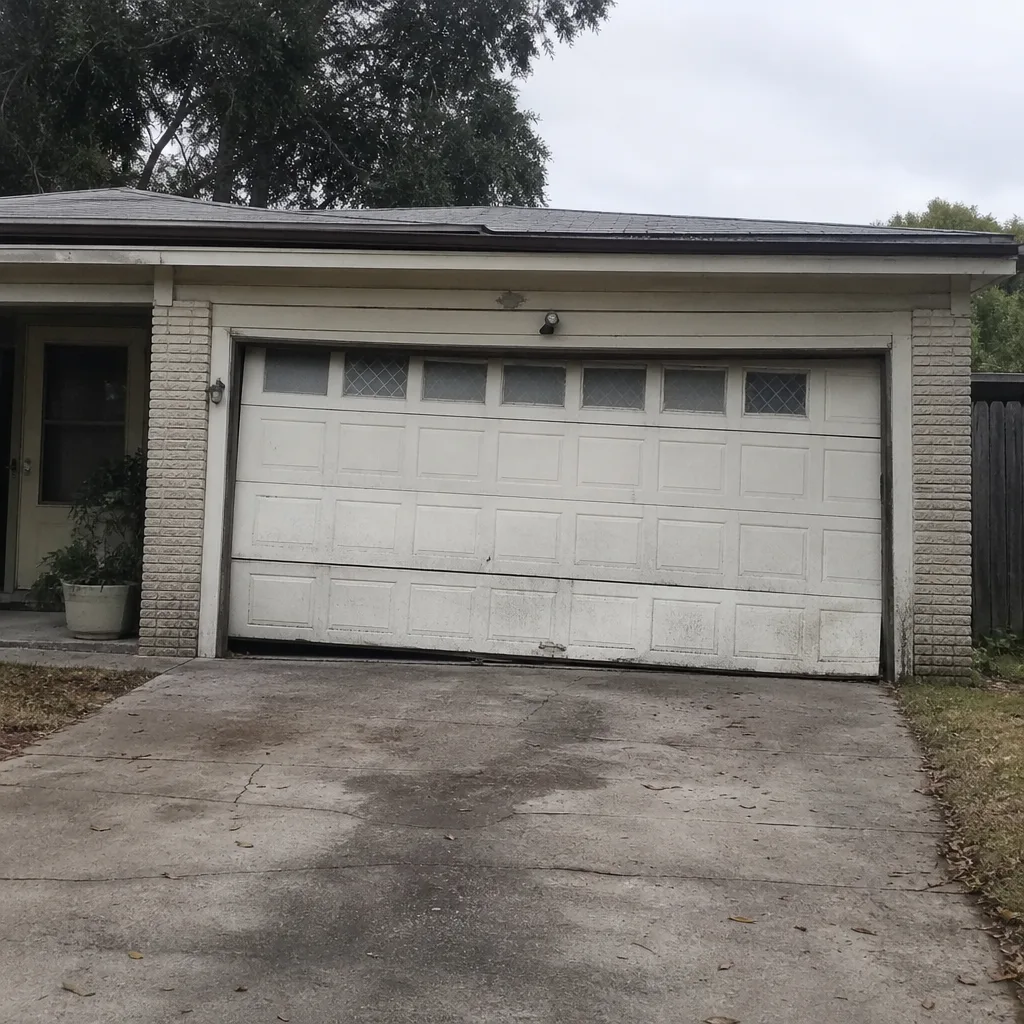 Before
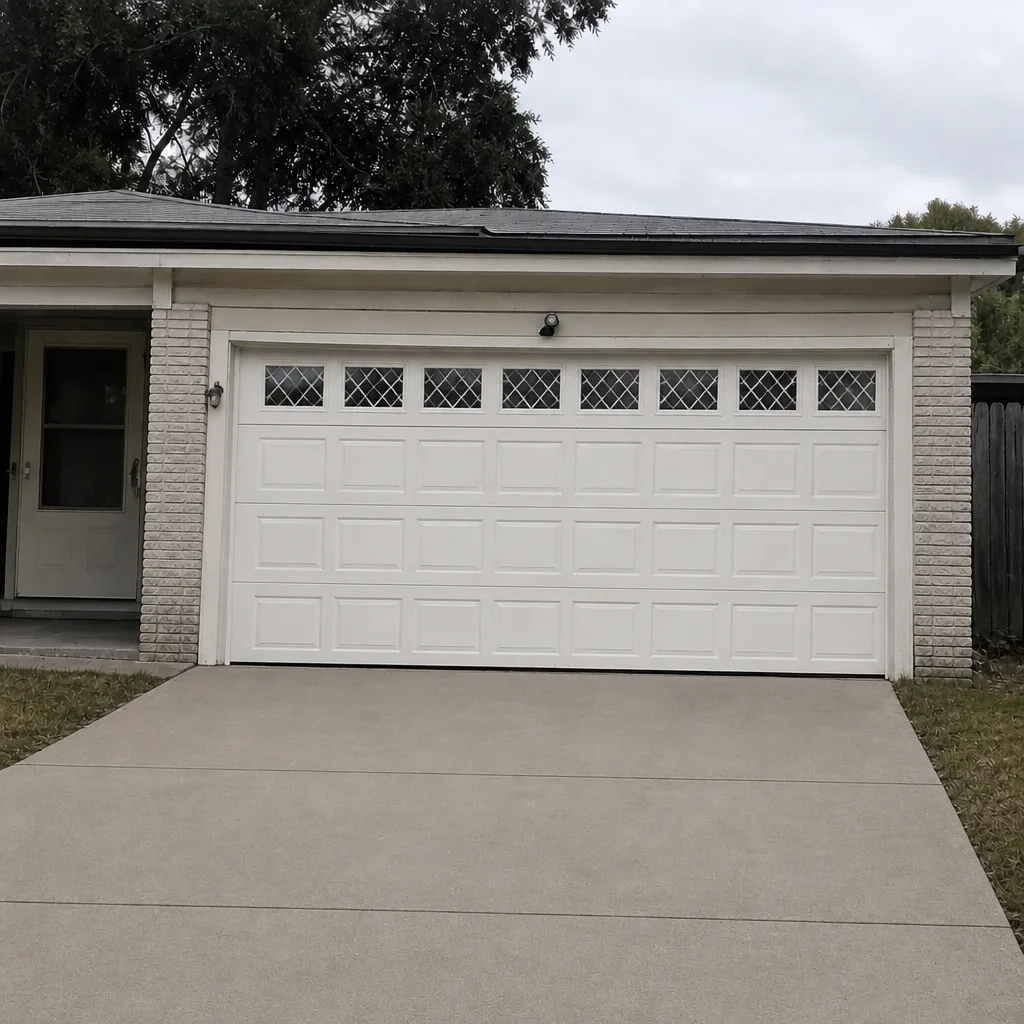 After
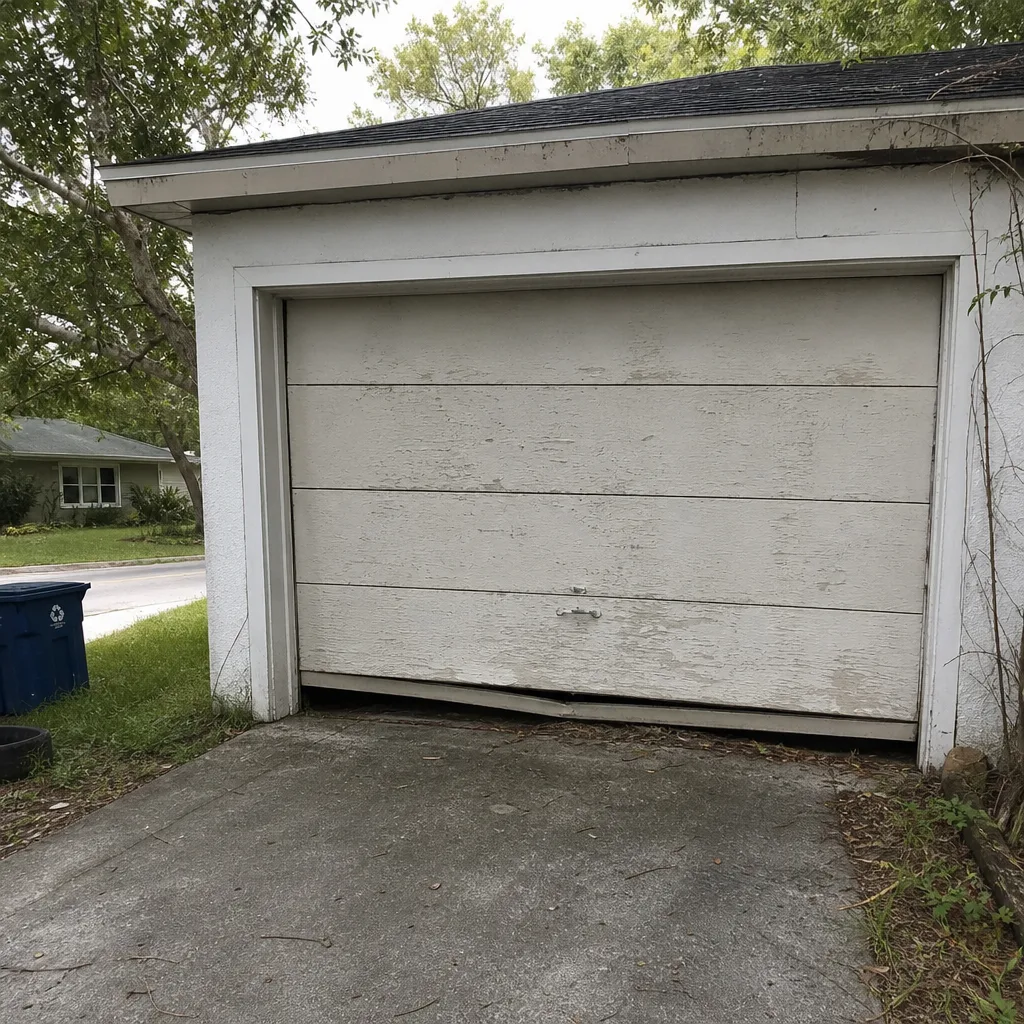 Before
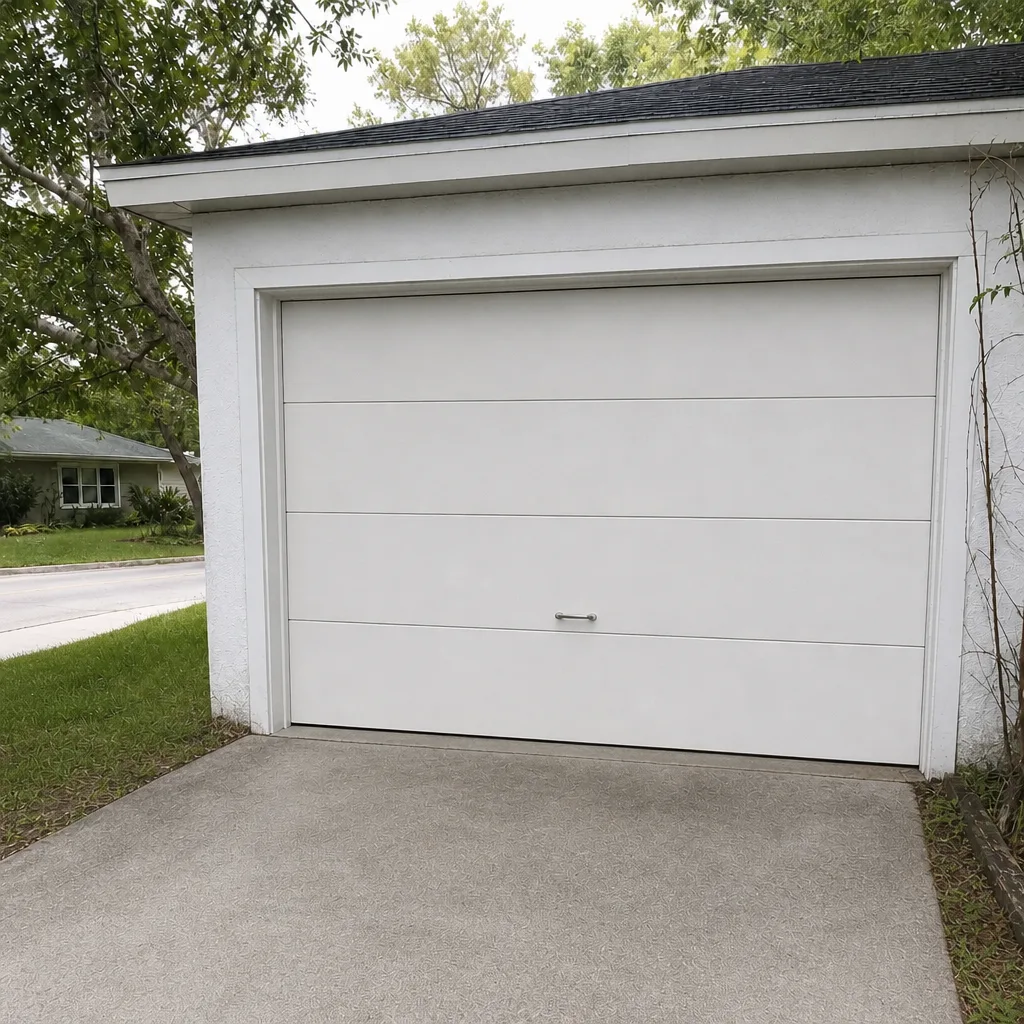 After
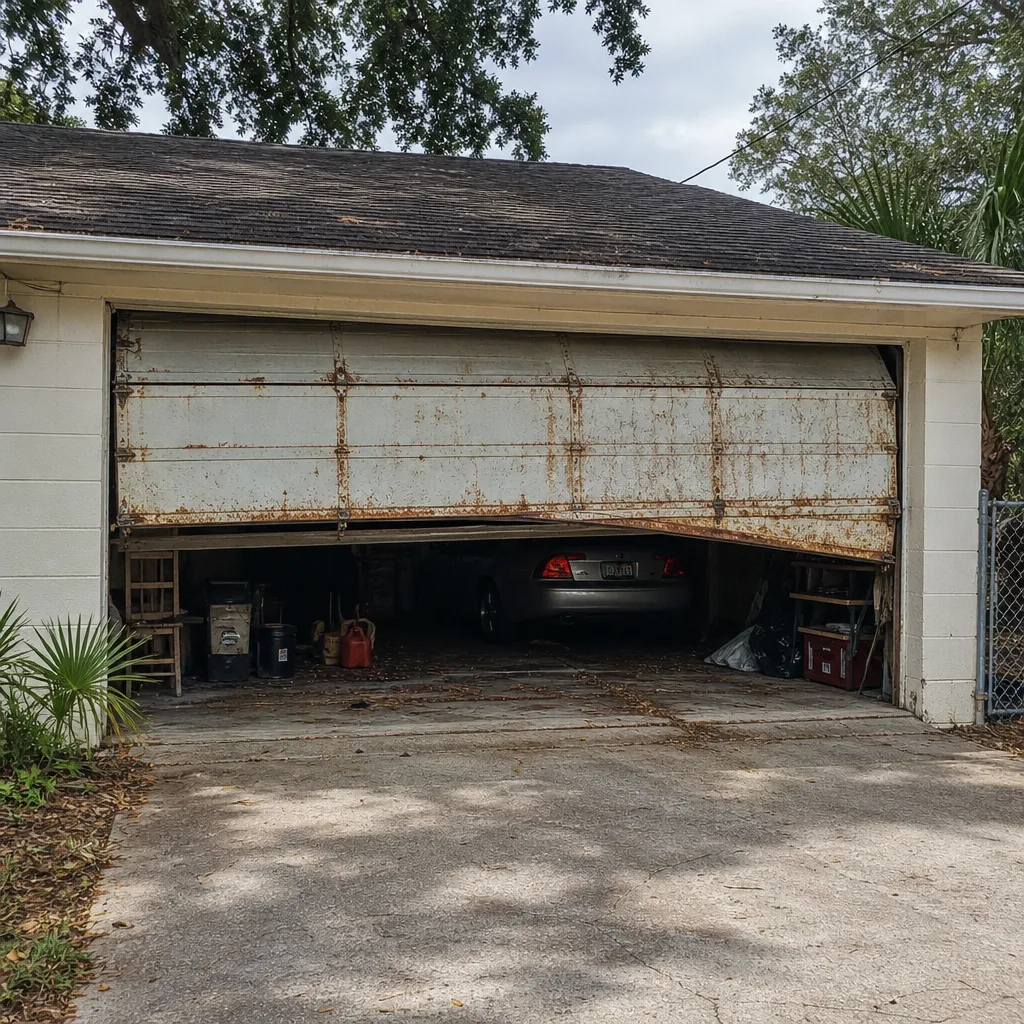 Before
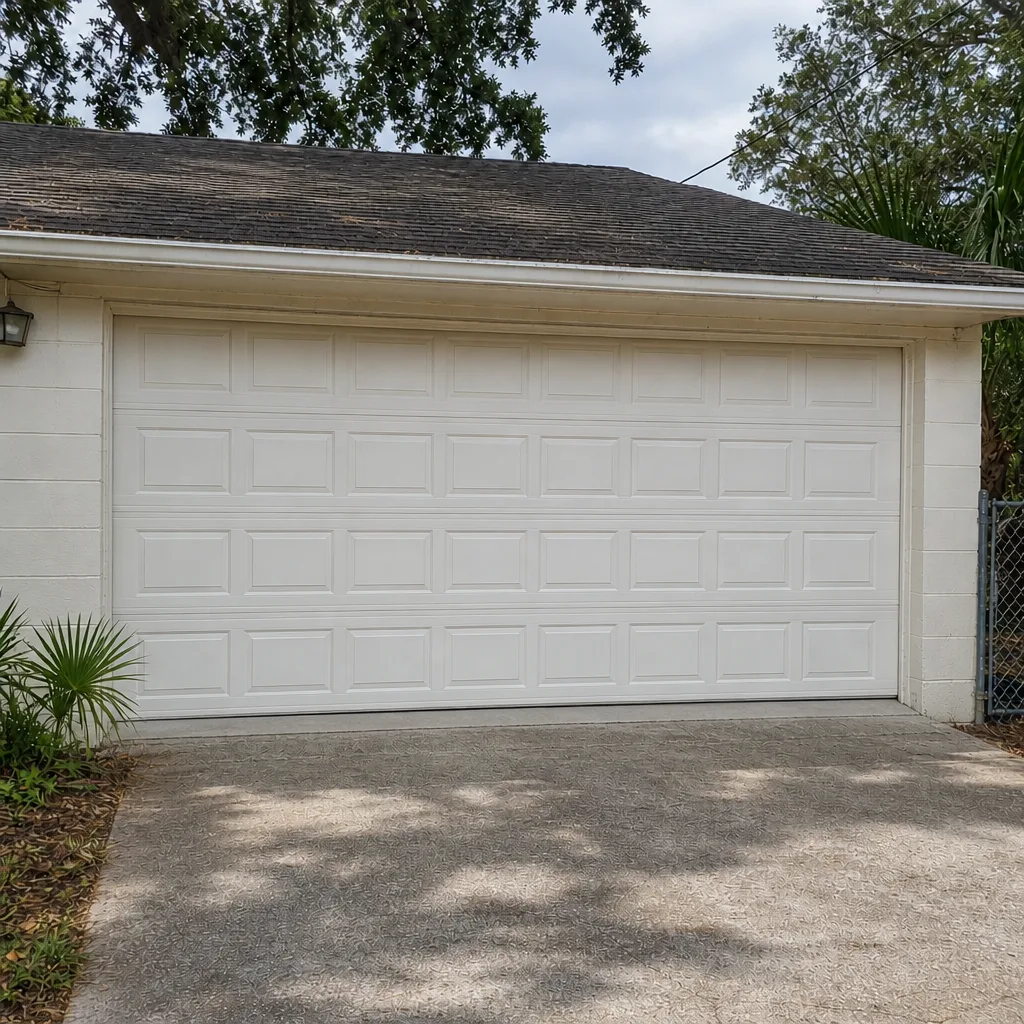 After
When to Call a Professional
Call whenever the checklist turns up anything on the spring, cable, or torsion system, and stop operating the door if you hear a snap or bang and the door won’t lift. Call if the door reverses on its own, if the opener responds inconsistently, if the bottom seal can’t be replaced with a standard part, or if the balance test shows the door won’t hold position. Call if your rollers, hangers, or tracks are worn or out of alignment, and call if you simply want a professional opinion on whether your door is on its last legs before it fails. Garage Door Repair Seminole Heights offers free estimates in Seminole Heights – call (877) 757-4452 and we’ll schedule a time to look at it.
Frequently Asked Questions
Every 90 days, not once a year. Humidity and heat in Seminole Heights break down light lubricant faster than the national guidance assumes, and a quarterly cadence on the hinges and rollers is what keeps them from drying out or collecting grit. Call (877) 757-4452 if you’d rather have a technician handle it during a repair visit.
Usually yes, for the retainer-style seals on most doors – it pulls out of the retainer and slides back in. But if the seal has fused to the retainer, or the retainer itself is damaged, it’s a job for a technician. Call us and we’ll check whether the right seal is on hand for your door.
In most Seminole Heights cases, it’s a sensitivity setting that’s slightly too tight combined with a door that’s expanding in the heat, not a broken sensor. Test the physical reverse and the sensor separately, then call (877) 757-4452 for an opener repair visit if it keeps happening.
A visible gap in the spring coil, a loud snap during operation, or a door that won’t hold position when opened halfway by hand all point to spring failure or weakening. Don’t touch the spring itself – call (877) 757-4452 and we’ll come out and take a look. Spring replacement is work we perform directly.
Yes. From roughly May through October, move the bottom seal check and the post-storm floor check from quarterly to monthly, because wind-driven rain through a worn seal is the main water intrusion path. Keep the lubrication and auto-reverse checks on the quarterly schedule.
No. We look at the door, tell you what’s wrong, and give you a written estimate before any work starts. The written estimate is the price, and the work only proceeds once you agree to it.
The Bottom Line
The generic once-a-year garage door checklist doesn’t fit Seminole Heights, where warm, humid air and intense sun put more pressure on the bottom seal, rollers, and opener board than a temperate climate would. Sequence your checks by what fails first: seal monthly in the wet season, rollers and hinges every 90 days, auto-reverse and sensitivity quarterly, and springs as a visual inspection only. Leave the torsion spring, cables, and anything on the track assembly to a technician. Garage Door Repair Seminole Heights handles the full service spectrum for the brand already in your garage – call (877) 757-4452 for a free estimate.
Written by the team at Garage Door Repair Seminole Heights.