Last updated November 22, 2026
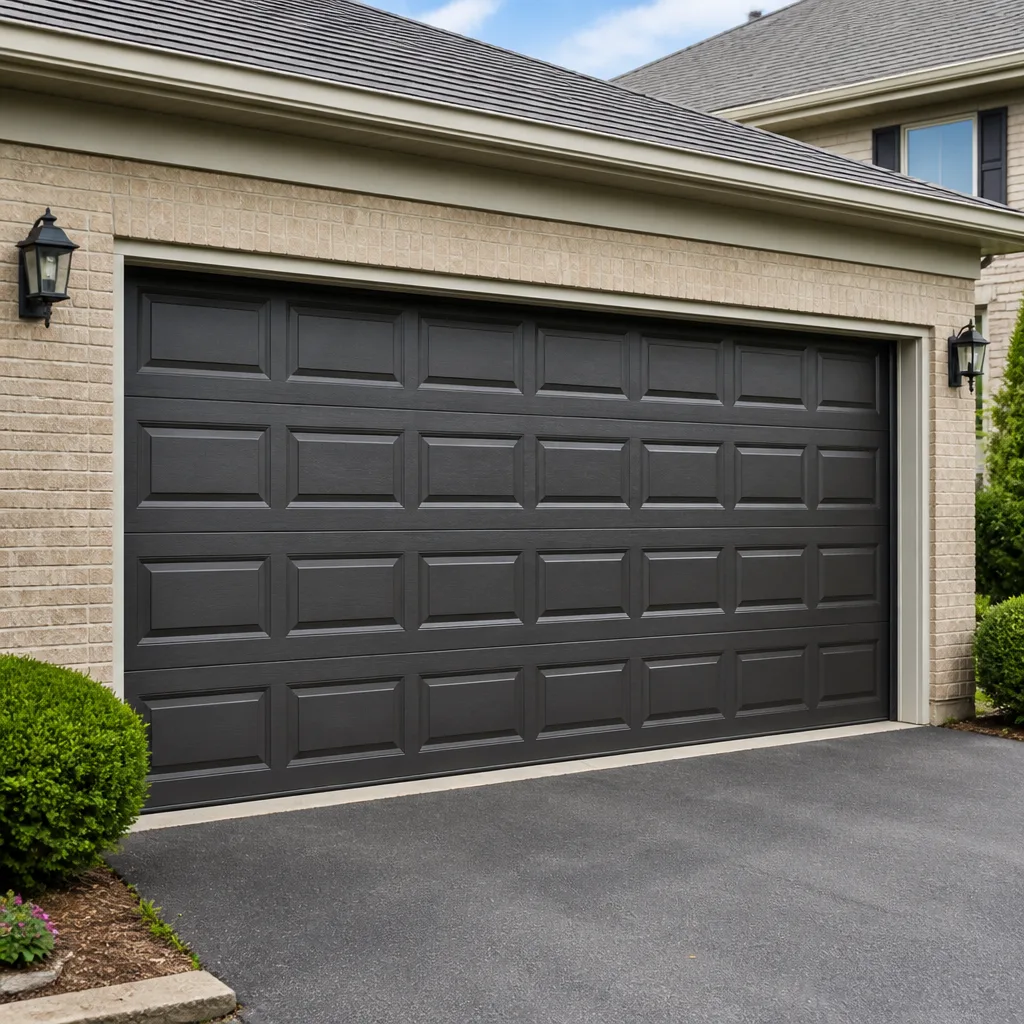 Raised-panel steel
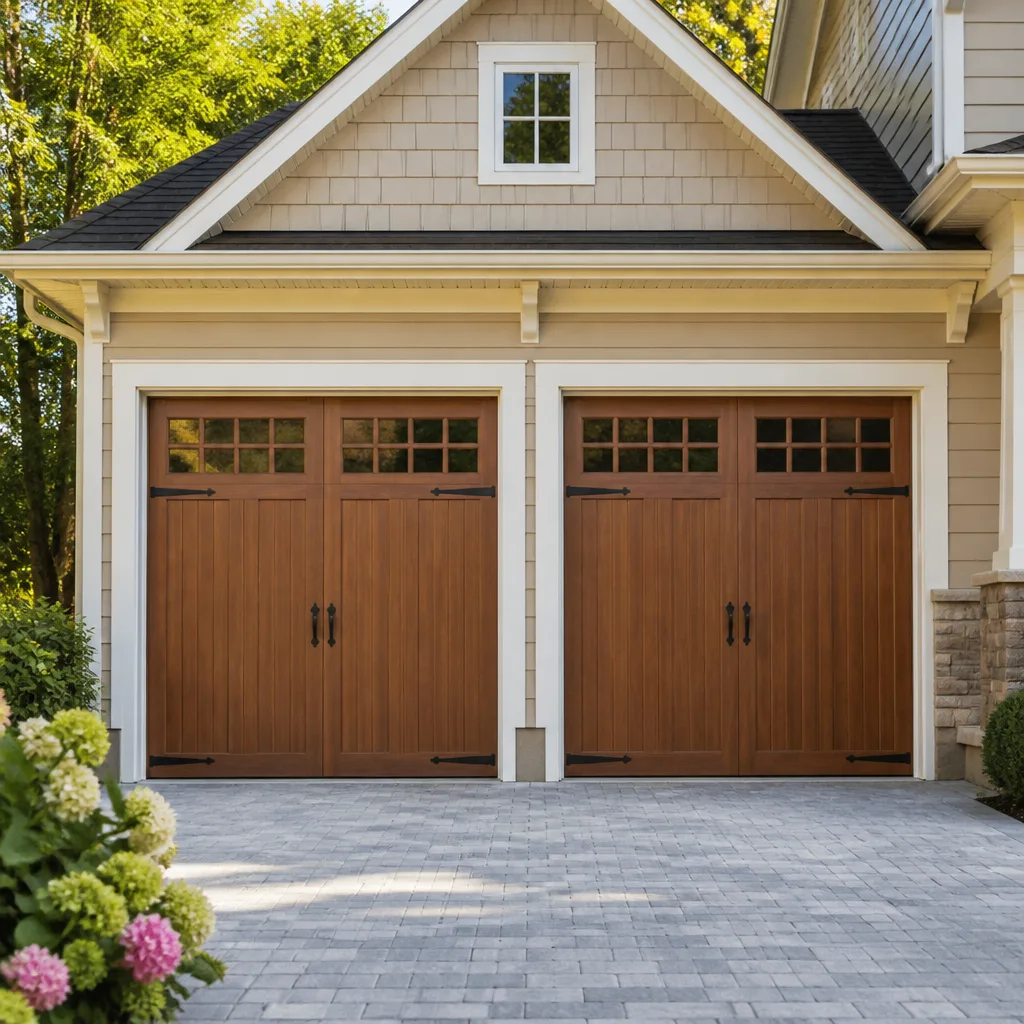 Carriage house
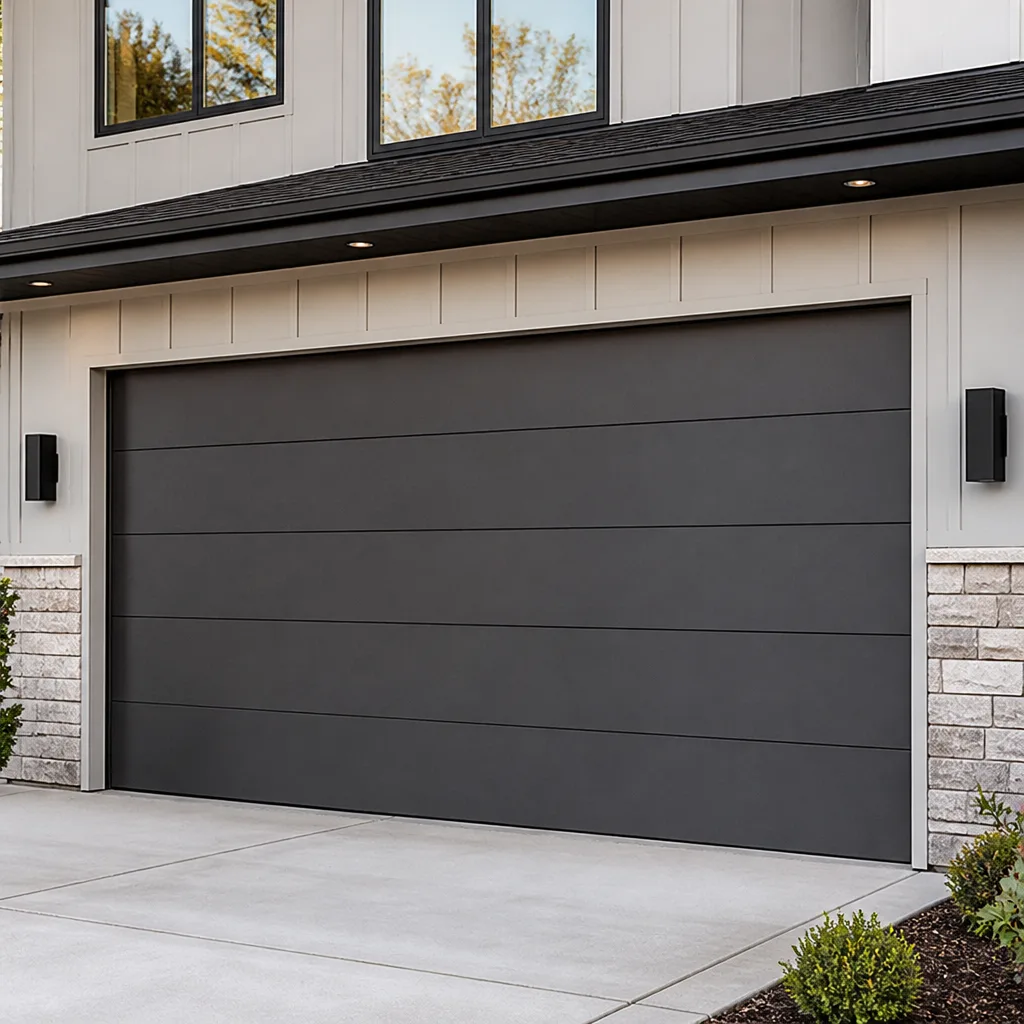 Modern flush
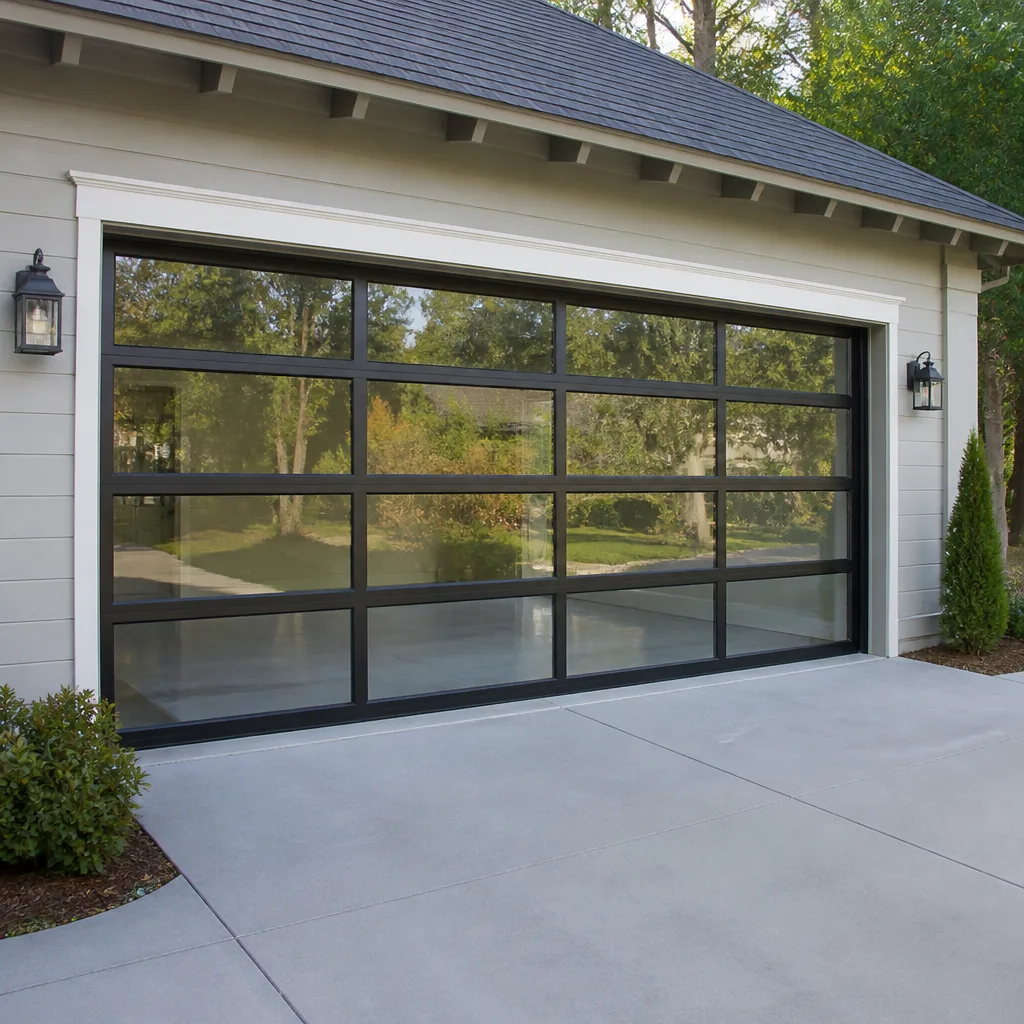 Full-view glass
 LiftMaster openers
 Chamberlain openers
Full 25-point door and opener safety check with every visit - springs, cables, rollers, tracks, and your LiftMaster or Chamberlain opener included
You get a price before we start. It does not change when the pro arrives.
Get your free estimateSeasonal Garage Door Care for Seminole Heights: Year-Round Homeowner’s Guide
Most seasonal garage door guides are written for places with four real seasons, and they’ll tell you to winterize. There’s no winterizing a garage door in Tampa, and that advice quietly wastes your time. Seminole Heights has two seasons that actually matter to the door on your house: hurricane season stress from June through November, and the dry-season contraction period from December through May. Each one asks a different set of tasks, and most homeowners here never learn them. This guide walks through both, plus the heat and humidity problems that run all year, so you can spot a failing spring or a sticking track before it strands you.
Quick Answer
In Seminole Heights, garage door care runs on two clocks: inspected, lubricated, and balanced before June 1 for hurricane season, then adjusted again in December when dry air makes wood and composite panels shrink. Year-round, the real enemies are UV exposure and heat, not cold. A short inspection at each seasonal turn prevents most of the failures we get called out for.
Styles & brands we work with
- Raised-panel steel
- Carriage house
- Modern flush
- Full-view glass
- LiftMaster openers
- Chamberlain openers
Table of Contents
- Why Seasonal Garage Door Care Looks Different in Seminole Heights
- The Pre-Hurricane Season Inspection: Your June 1 Checklist
- The Dry Season: What Lower Humidity Does to Wood and Composite Doors
- UV Degradation: How Long Panels Last in Full Florida Sun
- Lubrication for Heat and Humidity: What Works and What Attracts Dirt
- Post-Storm Inspection: What to Check After a Seminole Heights Storm
- Opener Care Through the Seasons
- Your Year-Round Calendar at a Glance
Why Seasonal Garage Door Care Looks Different in Seminole Heights
The standard seasonal garage door advice assumes your door spends part of the year fighting ice, salt, and hard freezes. None of that applies here. What your door actually fights is sustained heat, intense sun, and months of heavy humidity followed by months of drier air. That shift in the environment changes which parts fail first and when.
In our experience across Seminole Heights, the parts that give out first aren’t the ones northern guides warn about. Rust and freeze damage barely register. What does register is heat fatigue in springs, sun damage to panel finishes, and the slow expansion and contraction of wood and composite doors as humidity swings through the year. A door that was perfectly adjusted in February can bind in July and then rattle loose again in December.
The neighborhood’s housing stock plays into this too. Seminole Heights has a lot of older bungalows and craftsman-era homes mixed with newer builds, and the garage doors on them range from original wood to modern steel and composite. Each material reacts to the local climate on its own schedule. A wood door in a shaded carport on a quiet street behaves differently from a steel door on a corner lot with full afternoon sun. The seasonal tasks are the same. The urgency isn’t.
That’s the key idea for this guide: in Seminole Heights, you’re not preparing for cold. You’re preparing for wind, sun, and a humidity curve that runs the door through a full cycle every year. When something does go wrong, our Garage Door Repair Seminole Heights page covers the repair side. This guide is about keeping that call from becoming necessary in the first place.
The Pre-Hurricane Season Inspection: Your June 1 Checklist
A garage door that’s balanced and tight going into June handles storm-season wind far better than one that’s already loose. The goal of the pre-hurricane inspection isn’t to hurricane-proof the door. It’s to make sure nothing on it is already failing when the wind arrives. Do this once a year, ideally before June 1.
Work through it in this order:
- Balance test. Disconnect the opener and lift the door halfway by hand. It should stay put. If it drifts down or slams up, the springs are out of balance and need attention before storm season.
- Spring inspection. Look at the torsion spring above the door or the extension springs along the sides. Any gap, visible stretch, or rust bloom on a torsion spring means it’s nearing the end. Never try to adjust or replace a spring yourself. Torsion springs are under extreme tension and can cause serious injury. This is a trained-professional job, always.
- Track alignment. Check that the vertical and horizontal tracks are straight and evenly gapped from the rollers. A track knocked slightly out of line by a bump or a settling foundation will let the door rack sideways in wind.
- Panel and hinge check. Push gently on each panel. Look for loose hinges, missing screws, and any panel that flexes more than its neighbors.
- Weather seal. Run a hand along the bottom seal. Cracks and gaps let wind-driven rain underneath, and storm-season water intrusion at the threshold is a common headache in Seminole Heights.
- Reinforcement check. If your door has horizontal or vertical reinforcement struts, confirm the fasteners are snug. Loose struts do nothing in a gust.
If your inspection turns up a failing spring or a bent track, don’t wait for the storm forecast to fill up. Get it handled while the calendar is still quiet. Spring and track work is exactly the kind of job that turns a minor repair into an emergency if it’s put off.
The Dry Season: What Lower Humidity Does to Wood and Composite Doors
December through May, the air in Seminole Heights dries out. Wood and composite garage doors lose moisture and contract, and that contraction shows up as new gaps, sticking, and rattles that weren’t there in the fall. If you’ve got a wood or composite door, this is the season to expect changes.
What contraction actually looks like on a door:
- New gaps between panels. Small seams that were tight all summer open up as the wood shrinks.
- Sticking or binding. As panels shift, they can start rubbing against the frame or each other, and the door gets harder to lift.
- Rattling and looseness. Hardware that was snug in humid air can work loose as the panels move.
- Bottom seal gaps. A seal that sat flush in the wet season can lift slightly as the door contracts, opening a path for insects and drafts.
- Finish cracks. Paint and stain that held up through the humid months can crack at the joints as the wood moves.
Steel doors are less affected by humidity swings, but they’re not immune. Panel seams and joints can still open slightly, and the finish is more likely to fail than the metal itself. The practical move for the dry season is an early-summer adjustment: check the balance, the track gaps, and the hardware, and address any new sticking before it wears the opener or the springs.
For wood doors specifically, the dry season is also the right time to check the finish and touch up any cracks before the rain comes back. A door that’s shedding finish in April will be taking on water by July. That’s preventive maintenance, and it’s a lot cheaper than replacing panels. If a panel has already warped or split beyond repair, that’s a different conversation, and our guide to garage door repair walks through when a panel can be saved versus replaced.
UV Degradation: How Long Panels Last in Full Florida Sun
Florida sun is hard on any finish, and a garage door takes the full hit because it’s the largest flat surface on most Seminole Heights homes. The question isn’t whether UV will degrade the finish. It’s how fast, and which materials degrade first. The answer depends on panel material and how much direct afternoon sun the door gets.
Rough expectations, based on what we see on Seminole Heights doors:
- Painted steel: the finish is usually the first thing to go, often fading or chalking before the steel itself shows any problem. A door in full sun will fade faster than one under a tree canopy.
- Wood: without a maintained finish, wood is the most vulnerable. Sun cracks the topcoat, moisture gets in, and the panel starts to check and split. The dry season is when you’ll notice it worst.
- Composite and engineered panels: more UV-stable than wood, but still subject to color fade and surface chalkiness over time, especially on south- and west-facing doors.
- Aluminum and steel with factory finishes: the metal holds up well, but the finish is still a wear item. Fading shows up first on the sun-facing side of the door.
The practical intervention point is when you first see chalking, fading, or fine surface cracks. That’s the window to clean and refinish before UV damage reaches the substrate. Once a wood panel has cracked through, refinishing won’t fix it. A door that’s been in full sun for years and is showing deep checking is a candidate for panel replacement or a new door, which is where garage door installation comes in. Catching UV wear early is one of the highest-value seasonal tasks on a Seminole Heights door, because it’s the cheapest fix in this guide.
If you’re not sure what material you’re looking at, or whether your finish is still doing its job, a quick professional look is worth it. Our technicians work on Amarr, Wayne Dalton, Craftsman, and Raynor doors regularly, among others, so they can tell you what’s on your door and what it needs without guesswork.
Lubrication for Heat and Humidity: What Works and What Attracts Dirt
Lubrication is where a lot of garage door owners accidentally make things worse. The wrong product attracts dust and grit in Florida’s humid air, and the grit turns into a grinding paste that wears rollers and hinges faster than no lubrication at all. The right product for our heat and humidity is a silicone-based or white lithium grease made for garage door hardware. The wrong product is anything thick, tacky, or petroleum-heavy that grabs and holds grit.
What to use, and where:
- Silicone spray or white lithium grease: apply to hinges, rollers, and the torsion spring coils. These hold up to heat and don’t turn gummy in humidity.
- Dry lubricant on tracks: wipe the tracks clean and leave them dry or use a light dry film. Wet lubricant in the tracks collects dust and turns into a sticky mess.
- Never use WD-40 as a long-term lubricant. It’s a solvent, not a durable lubricant, and it strips the protective film off hardware.
- Skip the heavy grease on rollers and hinges. In Seminole Heights humidity, heavy grease attracts grit and accelerates wear.
Schedule-wise, lubricate twice a year: once before June for hurricane season, once in December as the dry season starts. If your door gets heavy use as the main entry point, do it every few months. Listen for the symptoms between services. Squeaks, grinding, and a door that’s slower to move are all signs the lubricant has worn off or the hardware is collecting grit.
While you’re at it, clean the tracks and look for debris. In Seminole Heights, wind-blown leaves and grit collect in the tracks more than people expect, and a track packed with debris is a door that binds. A minute with a brush and a dry cloth on the tracks is one of the smallest tasks in this guide and one of the most useful.
Post-Storm Inspection: What to Check After a Seminole Heights Storm
After any storm that brings significant wind or rain through Seminole Heights, do a short inspection before you use the door normally. The goal is to catch the small problems that storms leave behind before they become bigger ones. Work through this list:
- Check for debris in the tracks. Wind-blown leaves, twigs, and grit are the most common post-storm problem. Clear the tracks before running the door.
- Inspect the panels and hinges. Look for any panel that’s dented, cracked, or pushed out of line, and any hinge or fastener that’s pulled loose.
- Test the tracks for alignment. A door that was bumped by wind or debris can knock a track slightly out of gap. Look for uneven spacing and a door that hesitates or binds as it moves.
- Look for water intrusion. Check the bottom seal and the floor line for water that got underneath. In Seminole Heights, storm-season rain at the threshold is common, and a wet seal that sits can rot a wood door faster than sun.
- Check the safety sensors. Wind and rain can knock a sensor out of alignment. If the door won’t close, or reverses immediately, the sensors are the first thing to check.
- Test the balance. Disconnect the opener and lift the door by hand. If it feels heavier than usual or won’t stay put, the springs or the hardware took a hit and need a professional look.
If anything on this list looks wrong, don’t force the door. A binding door run repeatedly can bend a panel or damage the opener. If you’re not sure, that’s when to call. For the opener specifically, our garage door opener repair page covers the troubleshooting side.
Opener Care Through the Seasons
Openers get overlooked in seasonal care because they don’t have springs or panels to look at. But they’re the part of the system most affected by heat and by the door being out of balance. An opener that’s fighting a slightly binding door works harder, runs hotter, and fails sooner. In Seminole Heights’ heat, that shows up faster than in cooler climates.
What to check on the opener each season:
- Force and travel settings. If the door has shifted with the seasons, the opener’s force settings may need an adjustment. A door that struggles slightly in December may need its limits reset.
- Chain or belt tension. Loose chains and belts rattle and wear. Check at the start of each season.
- Battery backup. If your opener has a battery backup, test it. Storm-season power interruptions are exactly what it’s for.
- Smart features. Wi-Fi and smart openers like Chamberlain myQ and LiftMaster Smart Garage can lose connection after power events, so check the app after a storm. Most of these are a reconnect, not a repair.
- Safety reverse test. Put a block in the door’s path and confirm the door reverses on contact. Do this every season.
The brand matters here. If your opener is a Chamberlain, Genie, or Craftsman unit, the settings and troubleshooting are different from a LiftMaster or Raynor. When something goes wrong, the technician should know your actual system rather than a generic opener. That’s part of why we work on the brand already in your garage. Diagnosing the right system is faster and cheaper than swapping parts and hoping.
Your Year-Round Calendar at a Glance
Here’s the whole year in one place. The two anchors are the pre-hurricane inspection before June 1 and the dry-season adjustment in December. Everything else fits around them.
- Late May / before June 1: Full pre-hurricane inspection. Balance test, spring inspection, track alignment, panel and hinge check, weather seal, reinforcement check. Lubricate hinges, rollers, and springs.
- June – November (hurricane season): after any significant storm, run the post-storm inspection. Clear debris from tracks. Test the safety reverse and sensors.
- December: Dry-season adjustment. Check for new gaps, sticking, and rattles on wood and composite doors. Lubricate again. Check the bottom seal.
- January – May (dry season): touch up wood or composite finishes before the rain returns. Recheck balance and hardware. Watch for sticking or binding as panels contract.
- Year-round: listen for squeaks, grinding, and slow movement. Those are the signals to lubricate or call.
It’s not a long list. The whole thing takes about an hour of your time across the year, plus the annual professional inspection. Compare that to a spring failure or a bent track in the middle of storm season, and the math is obvious. A little seasonal attention is the difference between a door that just works and one that fails when you need it most. If you want us to handle the annual inspection for you, we offer free estimates in Seminole Heights.
Common Mistakes to Avoid
- Winterizing a door that doesn’t need it. Northern guides tell you to prep for ice and cold, but in Seminole Heights that’s wasted effort. Put the energy into the pre-hurricane inspection and the dry-season adjustment instead.
- Using the wrong lubricant. Heavy grease and tacky products grab grit in the humidity and grind the hardware faster than dry tracks. Use silicone or white lithium on the moving parts and keep the tracks clean and dry.
- Trying to adjust or replace a torsion spring yourself. This is the single most dangerous mistake a homeowner can make. Torsion springs are under extreme tension and can cause serious injury. This is a trained-professional job, without exception.
- Ignoring new gaps and sticking in December. Wood and composite doors contract in the dry season, and the resulting gaps and binding are easy to dismiss. They’re your early warning that the door needs an adjustment before it wears the opener or the springs.
- Waiting for the finish to fail completely before refinishing. UV damage is cheapest to fix at the first sign of chalking or fine cracks. Waiting until wood panels are checked and split turns a refinish into a replacement.
- Running the door with debris in the tracks after a storm. It’s the most common post-storm problem in Seminole Heights, and it’s the easiest to prevent. Clear the tracks before you run the door.
- Skipping the safety reverse test. It’s a 30-second check and the one that actually matters for safety. Test it every season.
See the difference
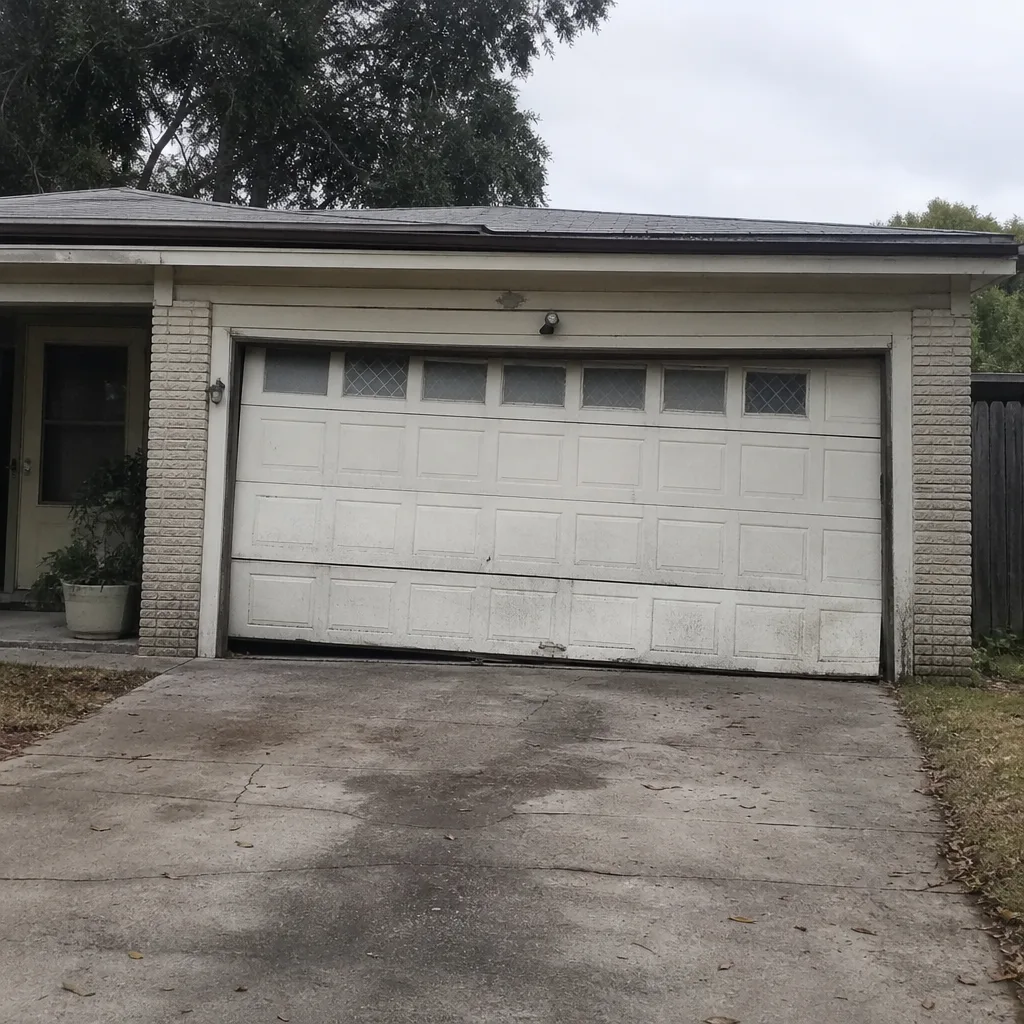 Before
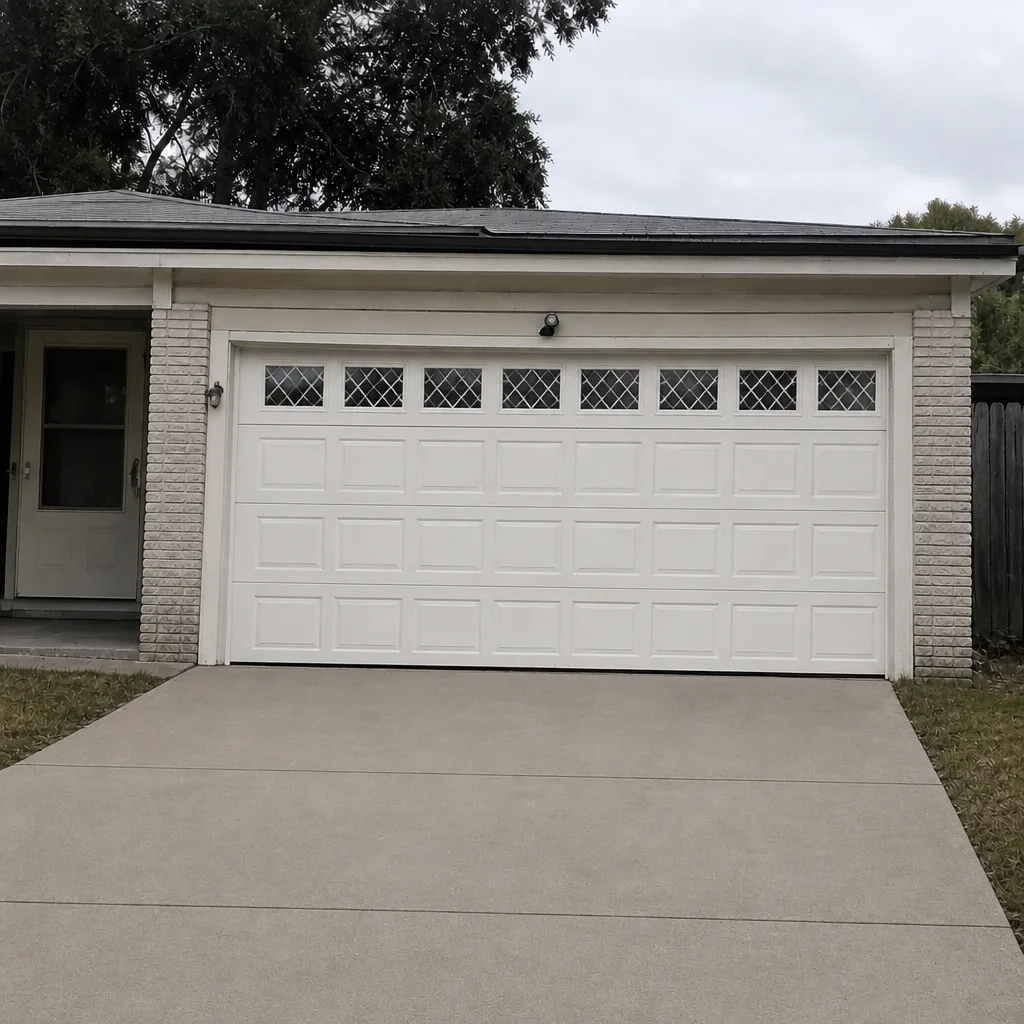 After
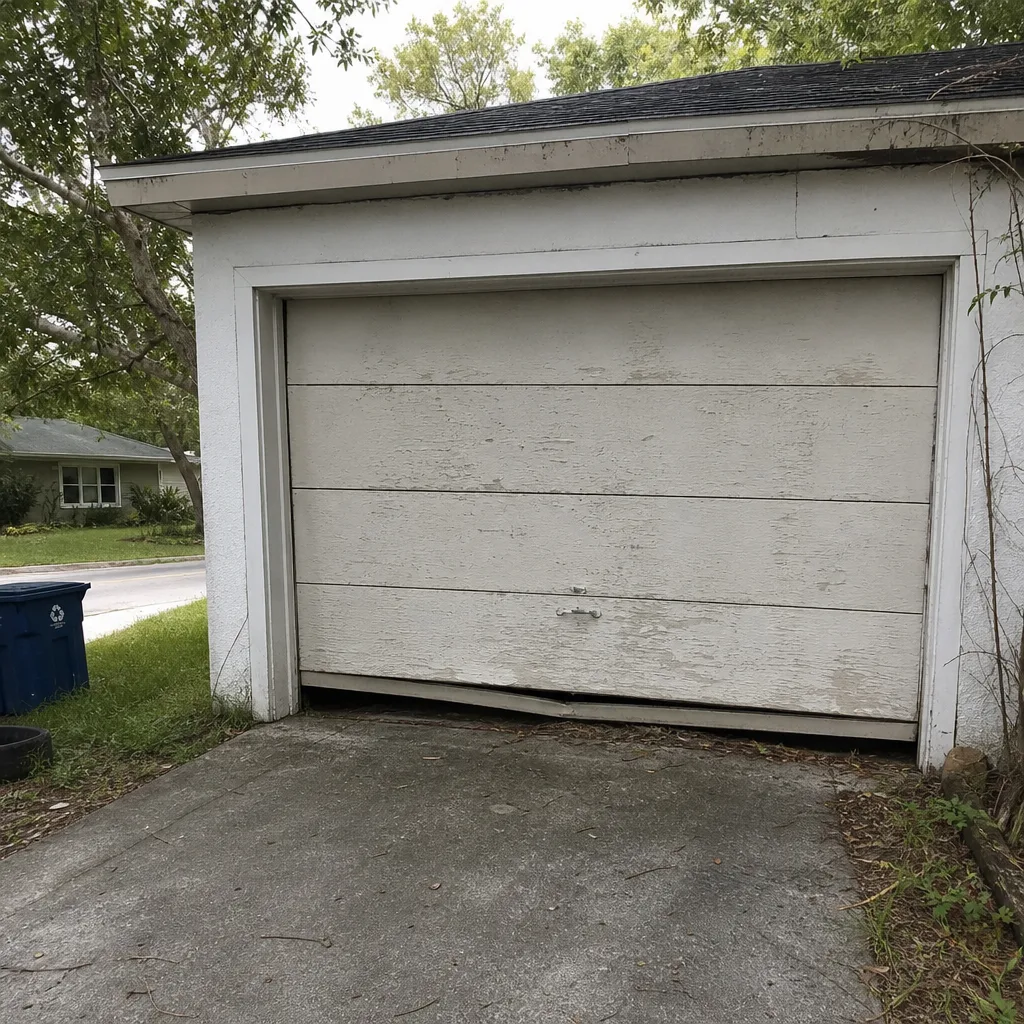 Before
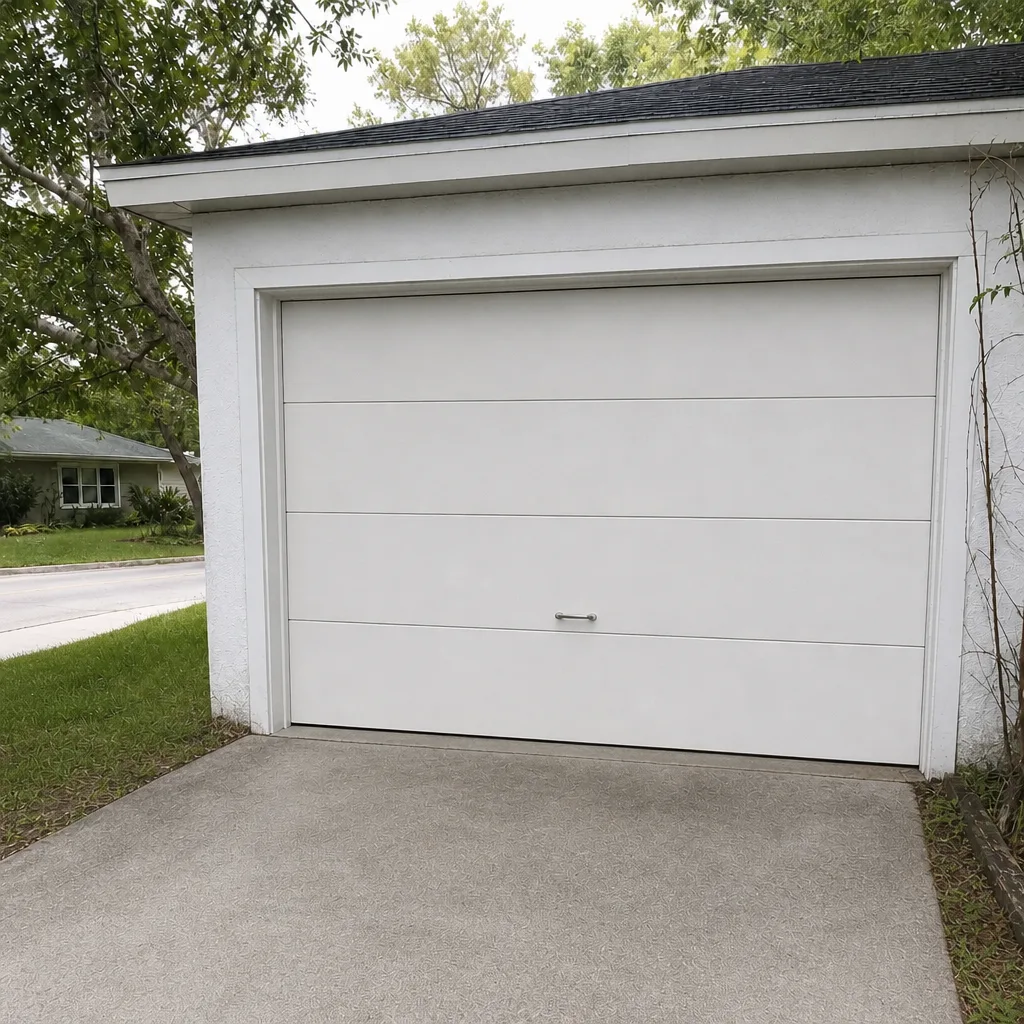 After
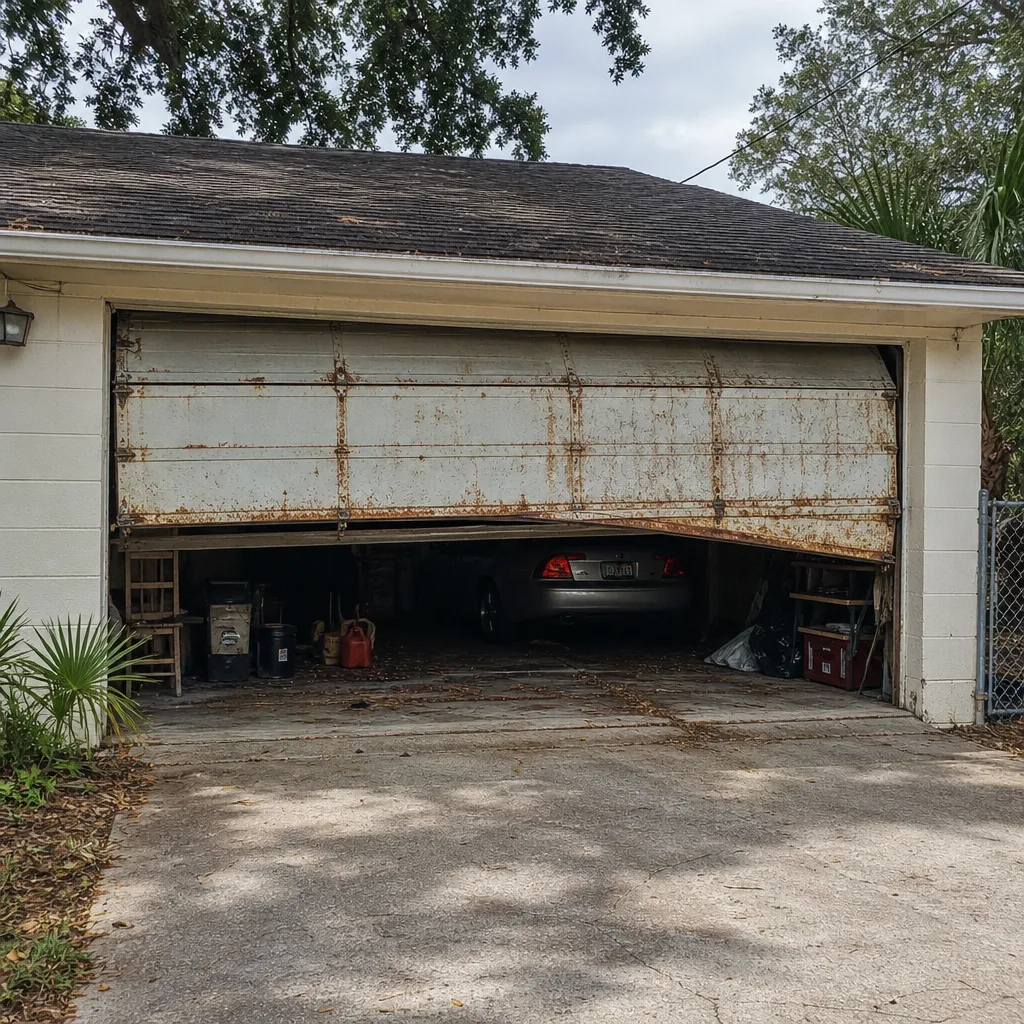 Before
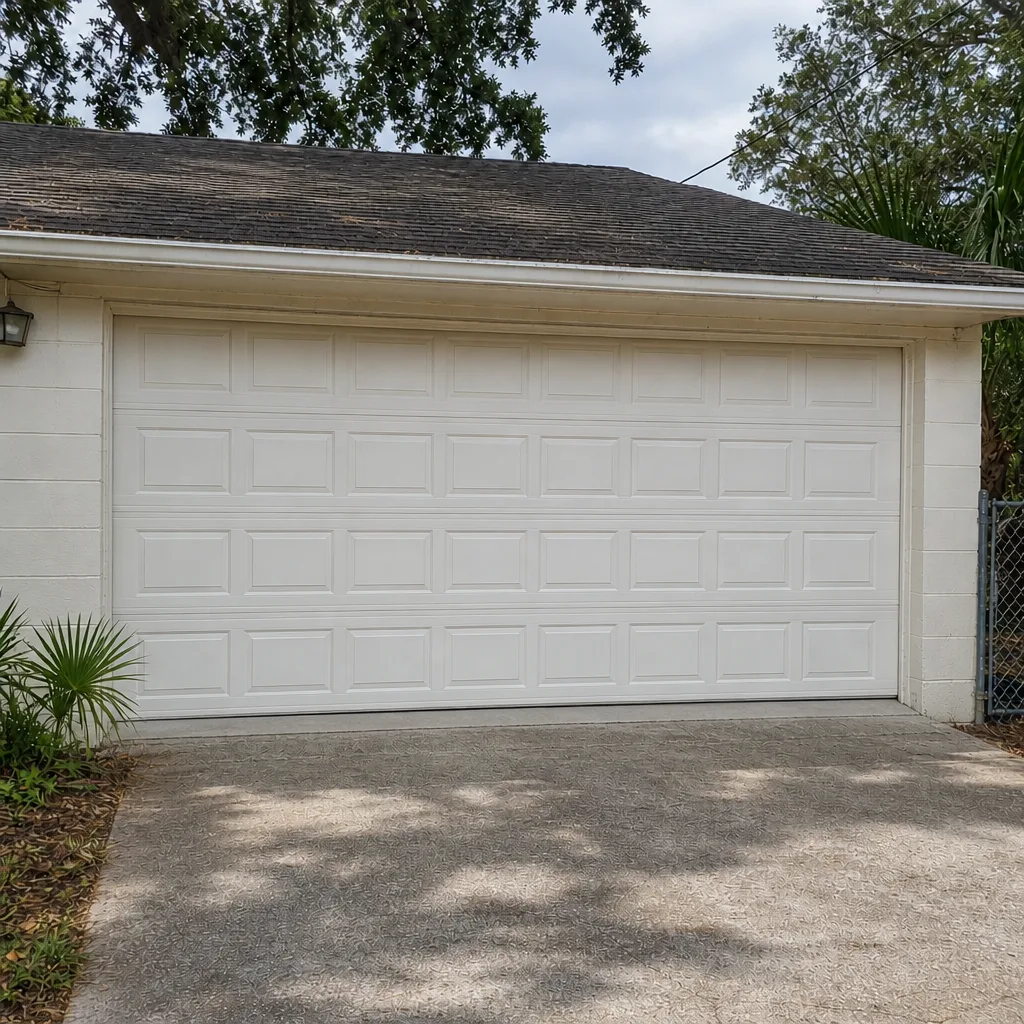 After
When to Call a Professional
Some of this guide is genuinely DIY-friendly: clearing debris, wiping down tracks, and testing the safety reverse. Other parts are not. Call a professional if you find a broken, stretched, or rust-bloomed spring; a door that’s out of balance or binding; a bent track; a panel that’s cracked, warped, or split; a door that won’t close or reverses on its own; or an opener that’s struggling, grinding, or won’t respond after a storm. Spring and balance work is hazardous and should always be done by a trained technician. Garage Door Repair Seminole Heights offers free estimates in Seminole Heights. Call (877) 757-4452.
Frequently Asked Questions
Twice a year: a full inspection before June 1 for hurricane season, and an adjustment in December when the dry season starts. Run a quick post-storm check after any significant wind or rain event. That schedule covers the two local seasons that actually stress a door.
Yes. In northern climates, care centers on ice, snow, and freeze-thaw. In Seminole Heights, the stress comes from heat, UV exposure, and a hurricane season that runs June through November, plus a dry season that contracts wood and composite doors. The seasonal tasks are different because the climate is different.
UV damage and humidity swings together. Sun cracks the finish, and the dry season contracts the wood, opening seams. Once moisture gets into bare wood, the panel checks and splits. Keeping the finish maintained is the highest-value task on a wood door here.
Do the balance test: disconnect the opener, lift the door halfway, and let go. It should hold. If it drifts down, feels heavy, or the torsion spring shows a visible gap or rust bloom, the springs need professional attention. Never adjust or replace a spring yourself.
Clear debris from the tracks first, then check panels, hinges, and track alignment. Look for water at the bottom seal and test the safety sensors. Finally, test the balance by hand. If anything binds, feels heavy, or won’t stay put, don’t force the door. Call a professional.
We work on the brand already in your garage. That covers Amarr, Wayne Dalton, Craftsman, and Raynor doors, plus LiftMaster, Chamberlain, and Genie openers. Diagnosing your actual system is faster and more accurate than swapping generic parts and hoping. Call (877) 757-4452 for an exact quote. Estimates are free.
The Bottom Line
Seasonal garage door care in Seminole Heights comes down to two dates and one year-round habit. Inspect and lubricate before June 1, so the door is ready for hurricane season. Adjust and check the finish in December, as the dry season contracts wood and composite doors. Through the whole year, watch for UV damage and keep the hardware lubricated with the right product. That’s the whole system. A door that’s inspected and balanced twice a year handles everything this climate throws at it, and it’s far cheaper than a mid-storm repair. If you want it handled for you, call Garage Door Repair Seminole Heights at (877) 757-4452 for a free estimate.
Written by the team at Garage Door Repair Seminole Heights.