Last updated November 22, 2026
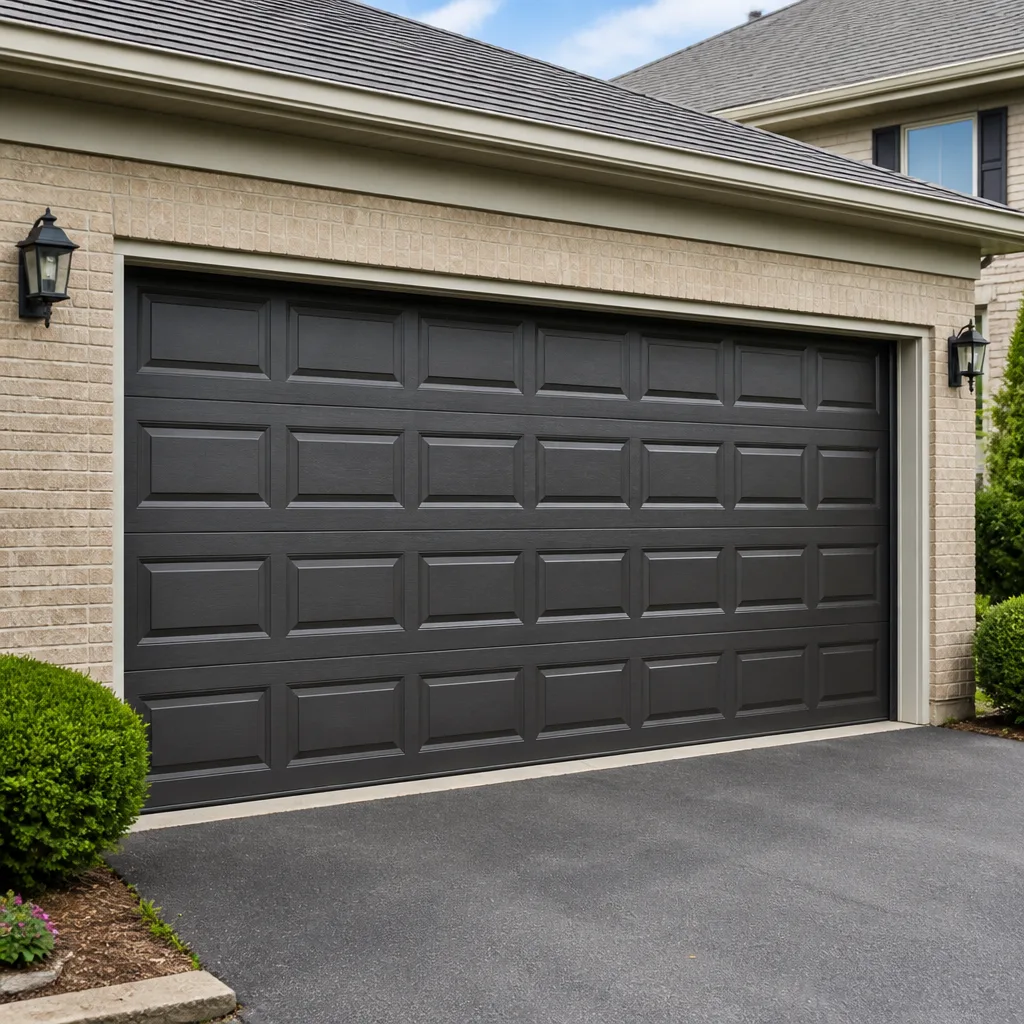 Raised-panel steel
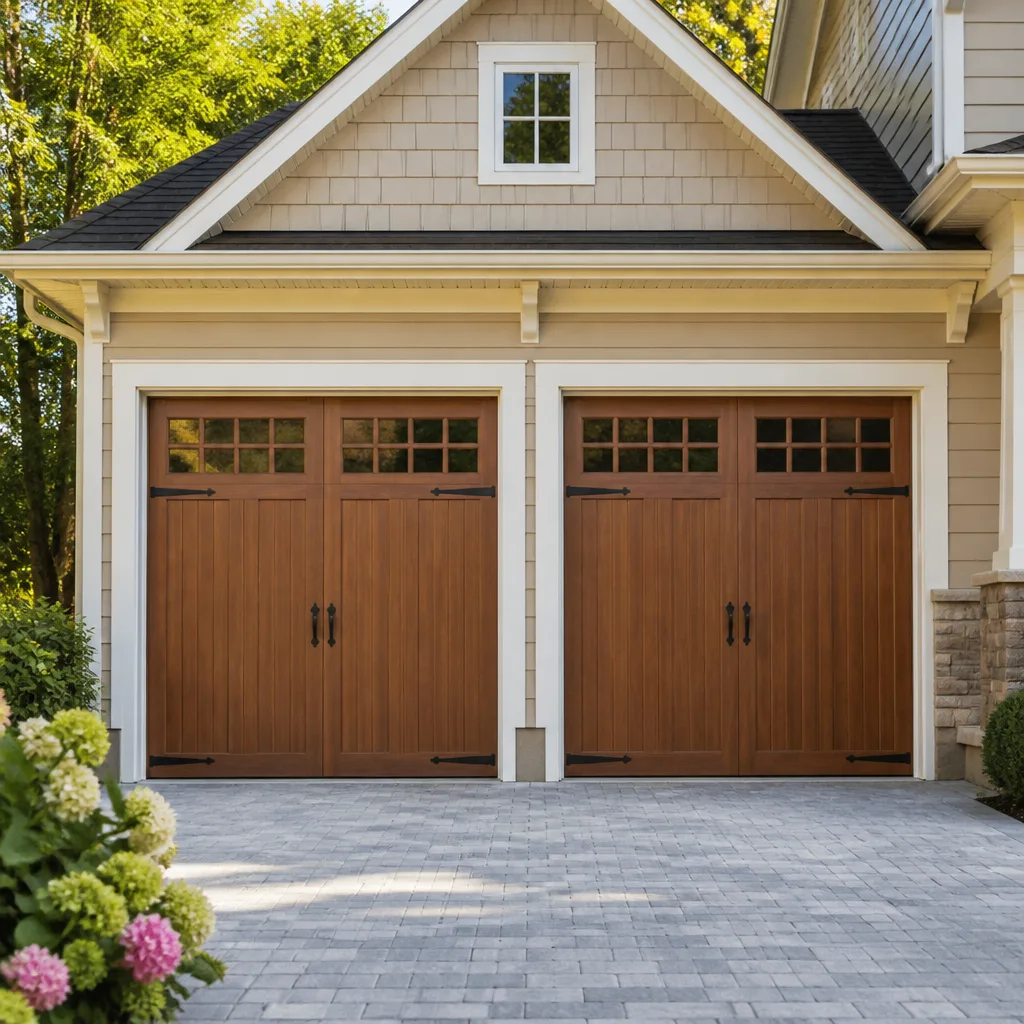 Carriage house
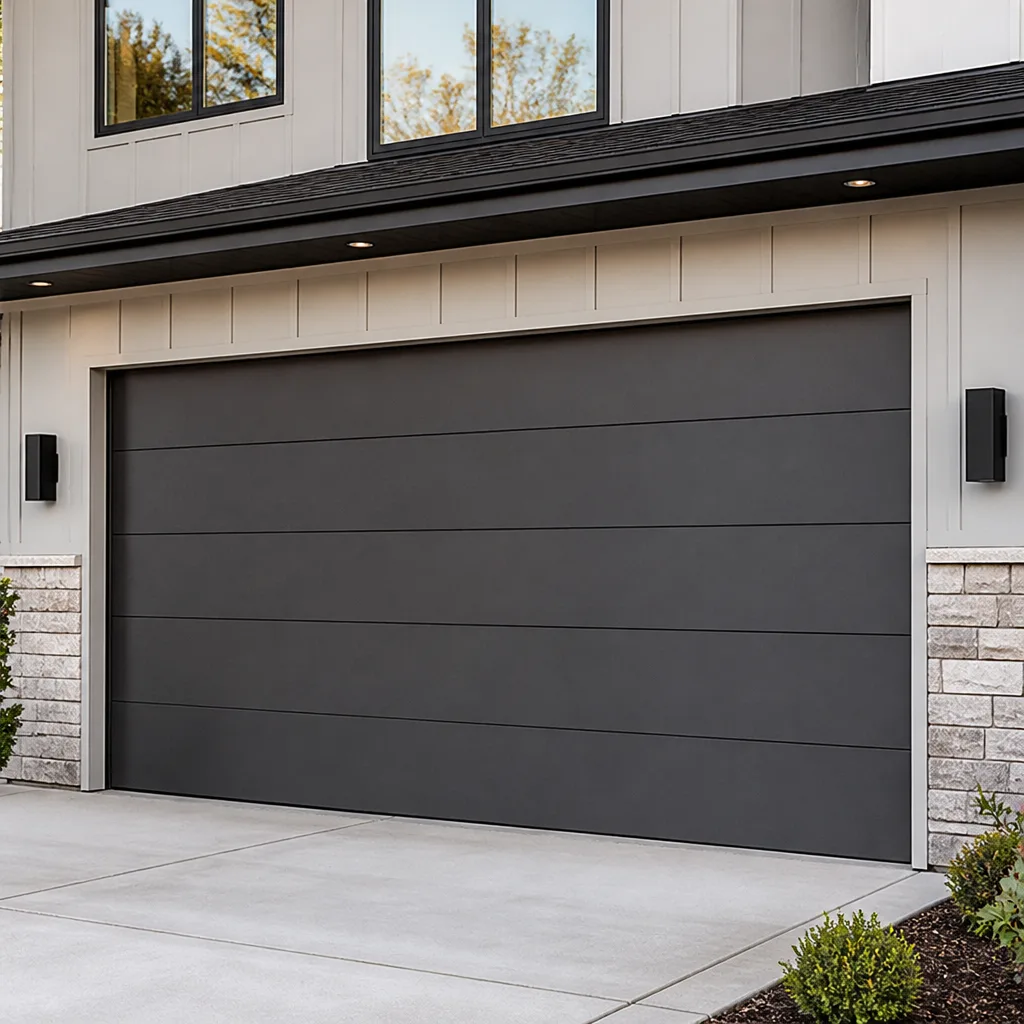 Modern flush
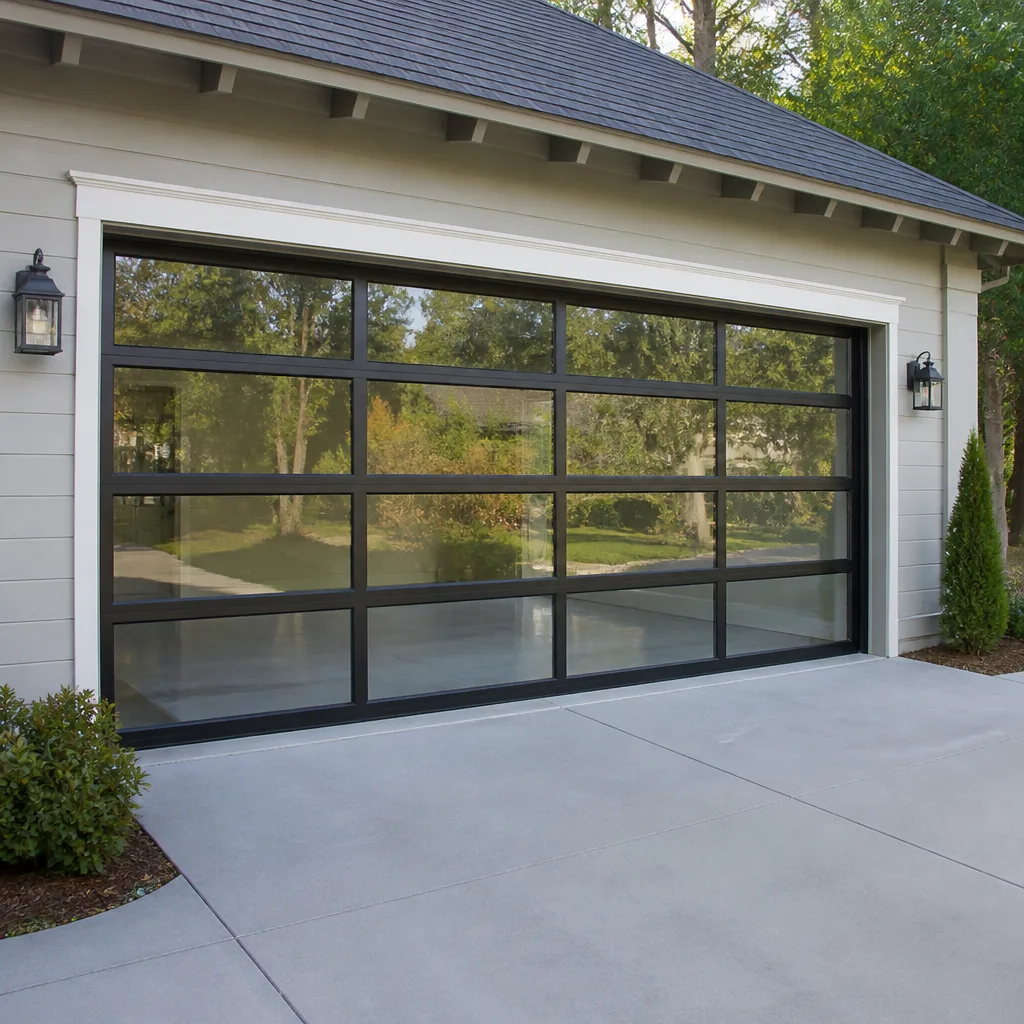 Full-view glass
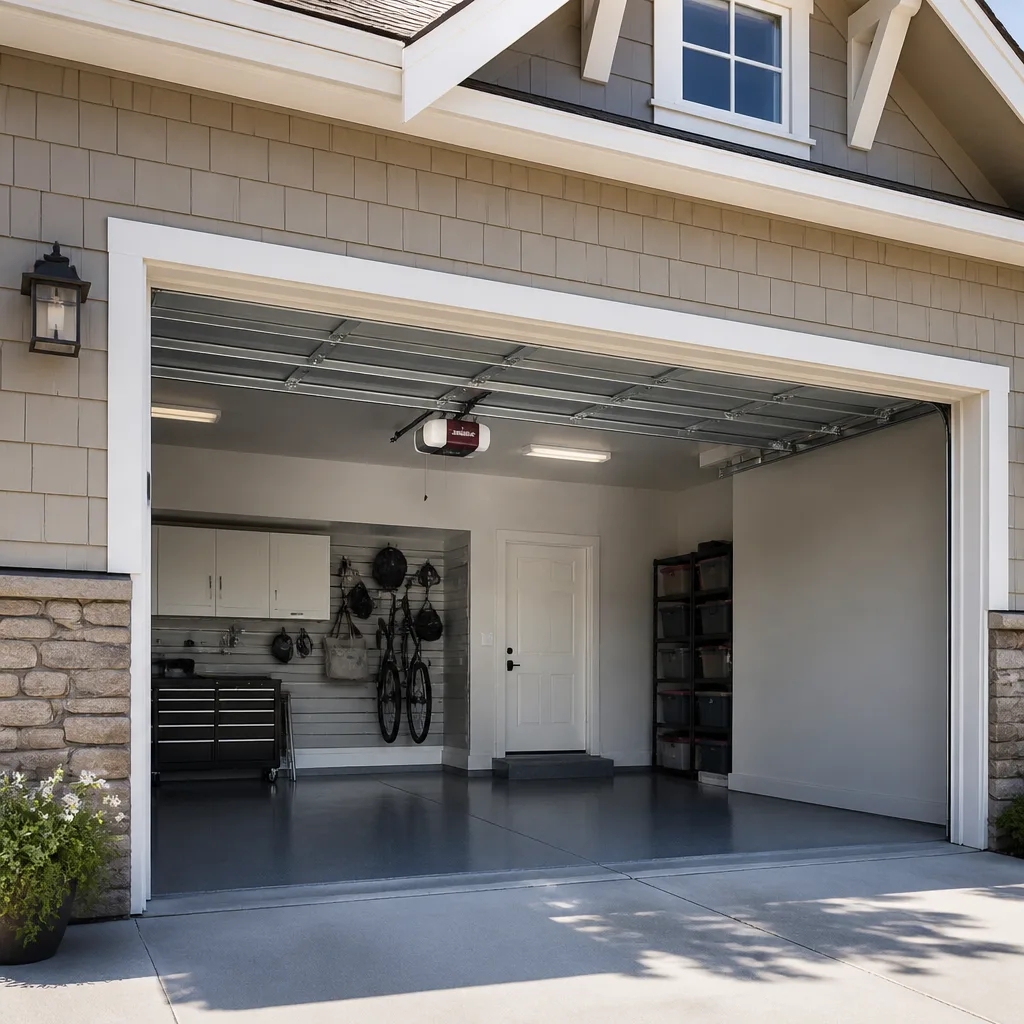 LiftMaster openers
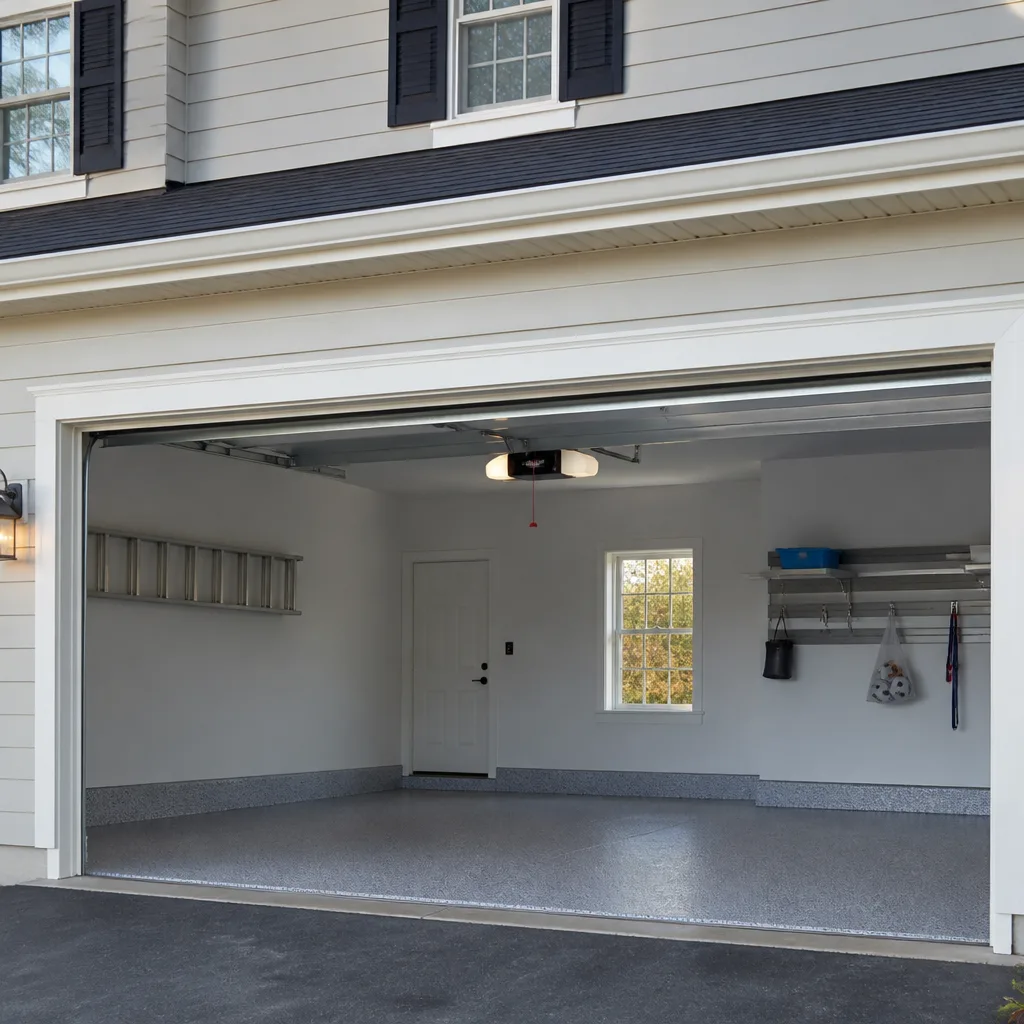 Chamberlain openers
Full 25-point door and opener safety check with every visit - springs, cables, rollers, tracks, and your LiftMaster or Chamberlain opener included
You get a price before we start. It does not change when the pro arrives.
Get your free estimateGarage Door Permits, Codes & Inspections in Seminole Heights, FL: What You Need to Know
Most homeowners in Seminole Heights assume that swapping a garage door is like replacing a light fixture: buy it, hang it, done. It isn’t. In Florida, a garage door is treated as part of the building’s structural envelope, and the rules that govern how it gets installed are stricter than almost anywhere else in the country. A door put in without the required permit can create a paperwork problem that surfaces years later, usually at the worst possible moment, during a sale. “I didn’t know” is not a fix for that. This guide walks through what Florida Building Code and Hillsborough County actually require for a garage door in Seminole Heights, when a permit applies, what an inspector checks, and how to untangle work that was already done without one.
Quick Answer
A garage door permit in unincorporated Hillsborough County is required for most new door installations and for any replacement that changes the door’s size, model, or wind-load rating. A straight like-for-like swap of the same rated model in the same opening can sometimes be handled as maintenance, but you must confirm that with the county before work starts. Every permitted job needs at least a rough inspection before the door is hung and a final inspection once it’s operating.
Styles & brands we work with
- Raised-panel steel
- Carriage house
- Modern flush
- Full-view glass
- LiftMaster openers
- Chamberlain openers
Table of Contents
- Why Does Florida Regulate Garage Doors So Closely?
- When Is a Garage Door Permit Required in Seminole Heights?
- What Is the Permit Threshold: Replacement vs. Maintenance?
- How Does the Hillsborough County Permit Application Work?
- What Do Inspectors Look For During Rough and Final Inspections?
- How Wind-Load Requirements Decide Which Doors You Can Install
- How Unpermitted Garage Door Work Shows Up in a Sale
- How to Retroactively Resolve Unpermitted Garage Door Work
Why Does Florida Regulate Garage Doors So Closely?
Florida treats the garage door as a critical pressure boundary, not a cosmetic panel. The region’s wind storms put the entire building envelope under stress, and a large opening like a garage door is one of the most common points of failure. When the door gives way, the wind gets inside and the internal pressure can push against the roof and walls from underneath. That’s the reason a garage door in Seminole Heights isn’t treated as an ordinary finish item: it’s judged by the same code that governs roofs, windows, and structural connections.
The relevant provision is Florida Building Code Section 1609, which sets wind-load requirements based on a structure’s location and exposure. Hillsborough County sits in a high-wind region, so any door you install has to be rated to match or exceed the demand the code assigns to that building. A door that isn’t rated for the wind load is not a legal installation, regardless of how well it opens and closes.
In practice, this means the label on the door matters as much as the fit. Doors are tested and labeled by their manufacturer with a wind-load rating, and the label is what an inspector uses to verify compliance. Clopay and Amarr both publish rated models for this market, and a proper installation records the model number and rating on the permit application. We diagnose the actual door rating when a homeowner asks us what can legally go in, because the answer depends on the opening, the exposure, and the rating on the panel, not on whatever happens to be in stock.
For Seminole Heights, the practical upshot is that you can’t shop by look alone. The door has to fit the opening and satisfy the wind-load requirement for that specific structure. A beautiful door that fails the code is a liability, not an upgrade.
When Is a Garage Door Permit Required in Seminole Heights?
Here’s the short version: if the work involves a new garage door opening, a new installation on new construction, or any replacement that differs from what was approved in the original permit records, expect to file for a permit. If you’re replacing an existing door with an identical model, same size, same rating, in the same opening, the work may fall under maintenance, but that determination is the county’s to make, not yours.
The most reliable approach is to call the Hillsborough County building department before the door is ordered. Ask specifically whether a like-for-like replacement at your address requires a permit. In our experience, homeowners in Seminole Heights who skip that call are the ones who end up with the title headaches later. The county can tell you what’s on file for your property, and that record is what determines whether the replacement matches what was originally approved.
Common scenarios and how they usually sort out:
- New installation in new construction: permit required, and the door must be rated for the code’s wind load.
- Replacing a door with a different model or size: permit required, because the rating and structural loading may change.
- Replacing with the exact same rated model in the same opening: may qualify as maintenance, but confirm with the county first.
- Changing from a manual door to an opener-equipped door: permit rules vary by scope, so ask before you buy.
- Structural changes to the opening, header, or track support: permit required, and often more than one inspection.
- Cosmetic work like painting or replacing weather seal: no permit.
One useful rule of thumb: if the door’s wind-load rating changes, or if the opening itself changes, call it a permitted job. If the door is identical to what’s already there and the county agrees, you may be able to proceed. The only authority on which path applies is the county.
What Is the Permit Threshold: Replacement vs. Maintenance?
The line between “replacement” and “maintenance” is the single most misunderstood part of the process. The distinction is not about whether a door is being removed and re-hung; it’s about whether the work changes the building’s approved configuration. Maintenance restores something to its approved condition. Replacement changes what’s there, and that’s where permits enter.
To decide which bucket your project falls into, ask three questions:
- Does the new door match the model and rating of the door being removed? If yes, you may be in maintenance territory.
- Does the door size and opening stay the same? Any change in width or height shifts you toward a permit.
- Does the door’s wind-load rating meet or exceed what’s required for the address? If the new door isn’t rated at least as high as the original approved door, it’s a permit job at minimum, and may not be legal at all.
For a like-for-like swap, the door’s labeling is your proof. Keep the manufacturer’s label and the spec sheet on hand. If the county later asks whether the replacement matches what was approved, that paperwork is what you’ll rely on. We keep the model and rating information on file for this exact reason.
In Seminole Heights, older homes sometimes have original openings that predate current code. That’s a factor. If the existing opening doesn’t match what the code would require today, a “simple” replacement may trigger requirements you didn’t plan for. The county is the source of truth, and the earlier you ask, the cheaper the answer usually is.
How Does the Hillsborough County Permit Application Work?
The application process is straightforward, but it moves at the speed of the county, not your schedule. Expect to submit the application, wait for review, and then schedule inspections before and after the door goes in. Because it’s a permitting timeline and not a service call, the best practice is to plan it before the door is ordered.
Here’s the typical sequence for a residential garage door permit in unincorporated Hillsborough County:
- Confirm jurisdiction. Seminole Heights sits in unincorporated Hillsborough County, so the county handles the permit. If the property is inside a city that runs its own building department, the process is with the city instead.
- Submit the application. Include the door specifications, the model, and the wind-load rating, along with the product approval documentation for the door being installed.
- Wait for plan review. The county checks that the door’s rating matches the code’s requirement for the address and that the product approval is on file.
- Receive the permit. Once issued, the permit carries the inspections the job needs.
- Complete the rough inspection. The inspector reviews the opening, the anchoring, and the framing before the door is fully hung and operational.
- Complete the final inspection. The inspector verifies the door operates correctly, the label is present and legible, safety features are in place, and the work matches the approved plans.
Turnaround time for the county varies by workload, so plan on a window rather than a fixed number of days. We tell homeowners to budget for a scheduling buffer before the door is installed, because the door arriving early doesn’t speed up the county. If you need a new door matched to the opening, that’s where garage door installation comes in: choosing a model whose rating fits the permit is part of the job, not an afterthought.
What Do Inspectors Look For During Rough and Final Inspections?
Inspectors aren’t checking whether you like the door. They’re verifying that the installation matches the approved permit and that the door’s safety systems function. Two inspections are typical: a rough inspection and a final one. The rough stage catches the things you can’t see once the door is hung. The final stage verifies the completed work.
During the rough inspection, expect attention to:
- The door’s wind-load label and model number, checked against the approved application.
- The condition of the opening: framing, header, and jambs as they relate to the door’s attachment.
- Anchoring of the track and bracket system to the structure.
- Clearances and the fit of the door in the opening.
- Any structural changes noted on the approved plans.
During the final inspection, expect attention to:
- The operating door: smooth travel, correct balance, and no binding.
- Safety features, including the photo-eye reversal system and the door’s force-sensitivity settings.
- Label visibility: the wind-load and product labels must be present and legible.
- Confirmation that the installed work matches what was permitted.
Missing or unreadable labels are the most common cause of a failed final. We photograph the labels at installation so the record survives the job. For Chamberlain and Genie opener-equipped doors, the safety reversal system is part of the final, so the opener should be tested during installation, not left for the inspector to discover. If an opener is old or unreliable, getting garage door opener repair done before the inspection avoids a second scheduling round.
How Wind-Load Requirements Decide Which Doors You Can Install
Wind load is the number that determines everything else, so it’s worth explaining plainly. Florida Building Code Section 1609 assigns a wind-load demand to a structure based on its location, height, and exposure. The garage door must be rated to meet or exceed that demand. There isn’t a single “Florida-rated” door that works everywhere: the rating has to match the address.
This is why online shopping and showroom browsing can go wrong. The same model often ships in several rated versions, and the differences aren’t always visible on the panel. The label is what counts, and the permit application references it. A door with a lower rating may be a perfect physical fit while being illegal for the property.
Three things guide the choice:
- The building’s required wind-load demand. Determined by the county for the address and documented in the permit review.
- The door’s rated wind load. Published by the manufacturer on the product label and approval documentation.
- The product approval. The door must carry a current Florida product approval for the rating it claims.
Amarr publishes rated residential models, and Clopay’s rated lines are common in this market. Both offer the documentation the county needs, provided the model chosen matches the demand. If you’re standing in a garage in Seminole Heights trying to figure out what can legally go in, the answer starts with the county’s number, not the door’s style. If the current door is failing and you need the fix, garage door repair can restore the existing rated door while you sort out the permit for a full replacement.
How Unpermitted Garage Door Work Shows Up in a Sale
Unpermitted garage door work isn’t a nagging detail; it becomes a title issue. When a property changes hands, the buyer’s inspector and the title company pull the permit history. A garage door replacement that should have been permitted and wasn’t can show up as unpermitted work. That can hold up a closing, and in some cases, a lender can treat the unpermitted work as a blocked item until it’s resolved.
What typically happens during a sale:
- The buyer’s inspection flags the door. A missing or mismatched wind-load label is often the trigger.
- The title company requests the permit history. A gap between the door on the house and the permit records appears.
- The lender takes a position. Some lenders require the work to be permitted and inspected before they’ll clear the loan.
- The closing is delayed while it’s corrected. The remedy is almost always to permit the work retroactively.
For Seminole Heights homes with older doors, this is more likely than you’d think. Records age, prior owners did work, and the paper trail may not reflect the door currently in the opening. If you’re considering selling, check your permit history before the inspector does. A door that opens and closes fine can still be the reason a contract stalls.
How to Retroactively Resolve Unpermitted Garage Door Work
Unpermitted work can be resolved, but it’s more involved than permitting ahead of time. The usual path is a permit application for the work already done, followed by the same inspections a new install would have had. Expect the county to ask for documentation of the installed door and to inspect the finished work. If the door doesn’t meet the current wind-load requirement for the address, a resolution can require changing the door, not just papering over it.
The general process:
- Get the permit history. Identify exactly what’s on file and what’s missing.
- Apply for the permit covering the existing work. Submit the door’s model and wind-load rating and its product approval.
- Schedule the inspections. The county will inspect the door as it stands, including the label and the safety systems.
- Correct anything the inspector flags. Mislabeled or unrated doors may have to be replaced with a compliant model.
- Close out the permit. Once the final inspection passes, the record reflects the door that’s actually there.
Start early if a closing is on the calendar, because the timeline follows the county, not the deal. It’s also why we order doors by model and rating in the first place: when the paperwork is done correctly the first time, there’s nothing to resolve. If you’re not sure whether the door in your Seminole Heights home is rated or permitted, an inspection of the door and a look at the permit history will tell you where you stand.
Common Mistakes to Avoid
- Assuming a garage door swap never needs a permit. In Hillsborough County, most replacements that change the model, size, or rating require one. Confirm with the county before the door is ordered.
- Buying a door before checking the wind-load requirement. A door can fit the opening and still fail the code for the address. The requirement is determined before the door is selected.
- Removing the manufacturer’s label during installation. The wind-load label is what the inspector verifies. If it isn’t legible, the final fails and the job returns to scheduling.
- Confusing “it opens and closes” with “it’s compliant.” A working door that’s unrated or unpermitted is still a problem at sale. Compliance and operation are separate checks.
- Skipping the permit because a prior owner did. Unpermitted work from years ago still shows up on a title search, and the cost of resolving it usually lands on whoever currently owns the property.
- Treating a permit as a formality. The rough inspection happens before the door is fully hung; missing that stage is more expensive to correct than completing it on schedule.
- Letting a generalist install a door needing wind-load compliance. A door with a required rating is a code item. The installation and the paperwork have to line up, and that’s a specialist’s work.
See the difference
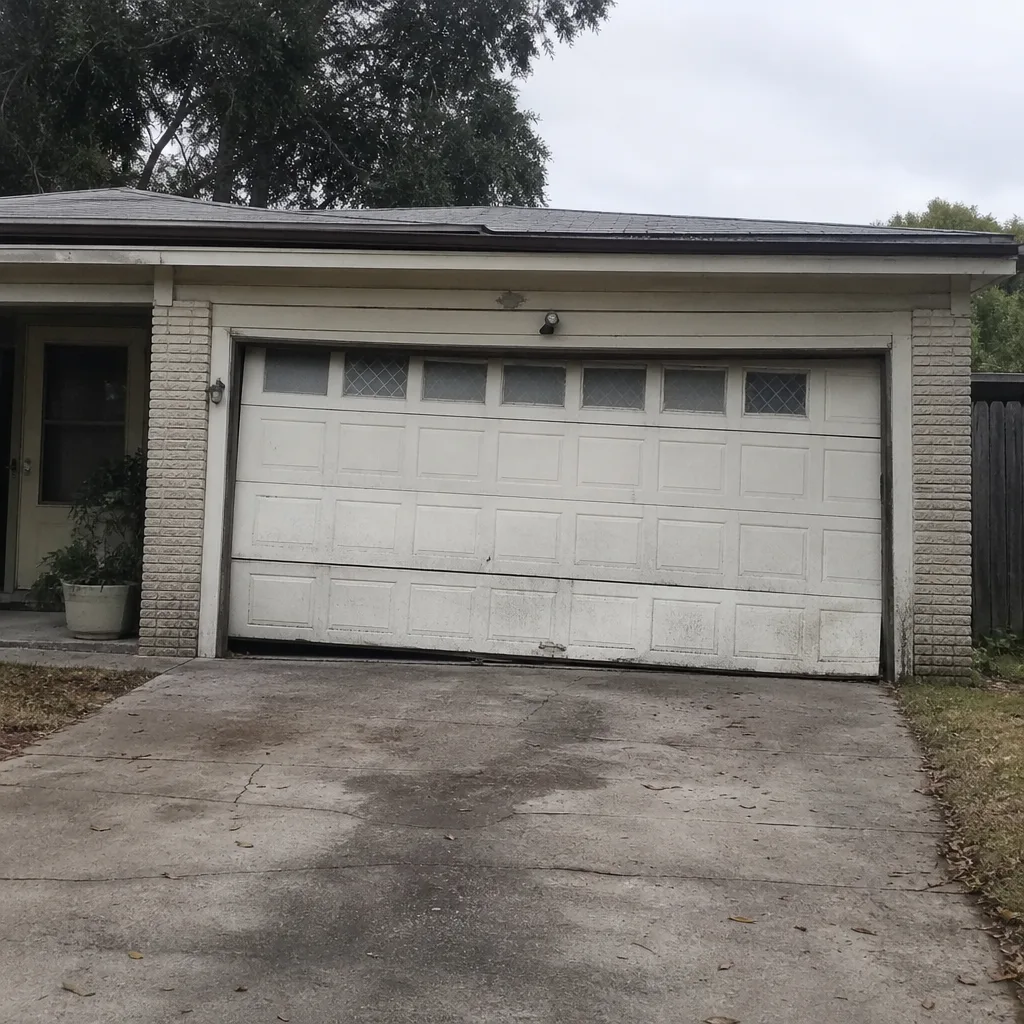 Before
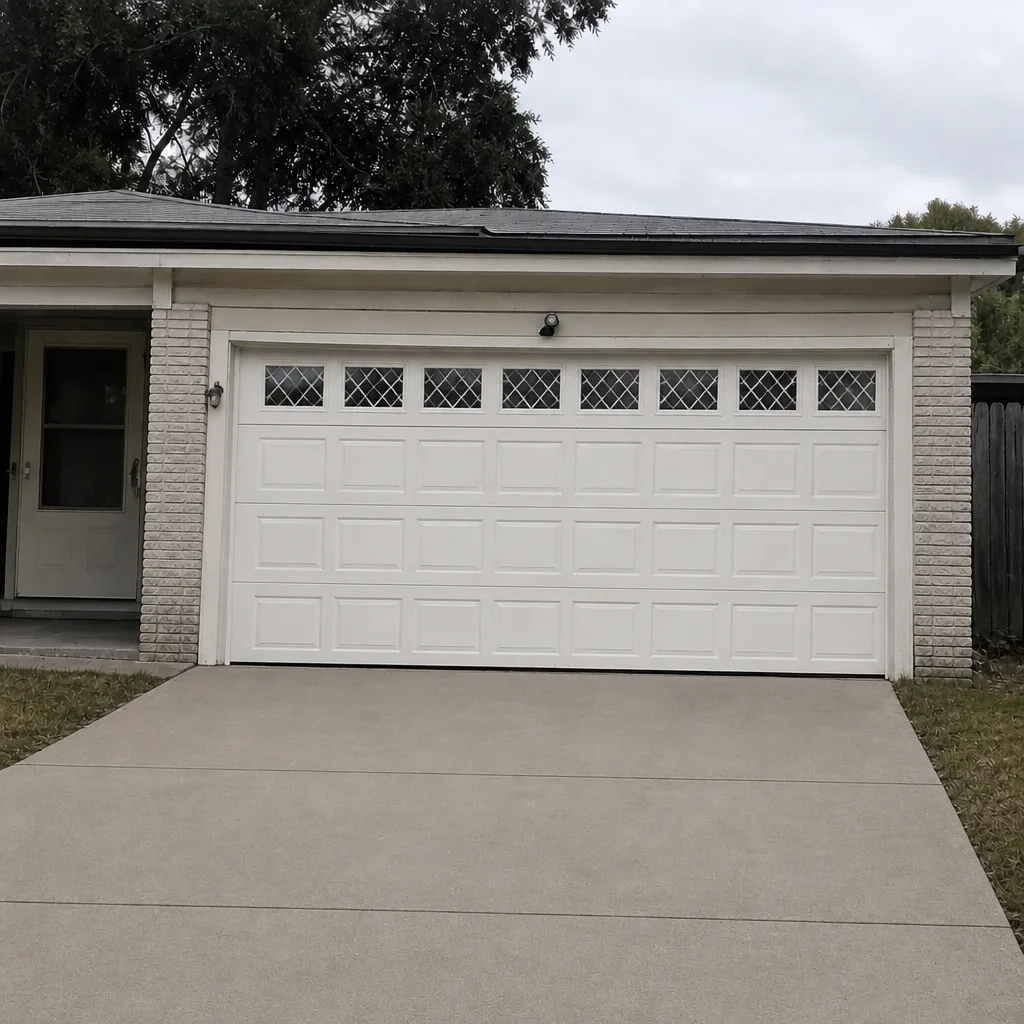 After
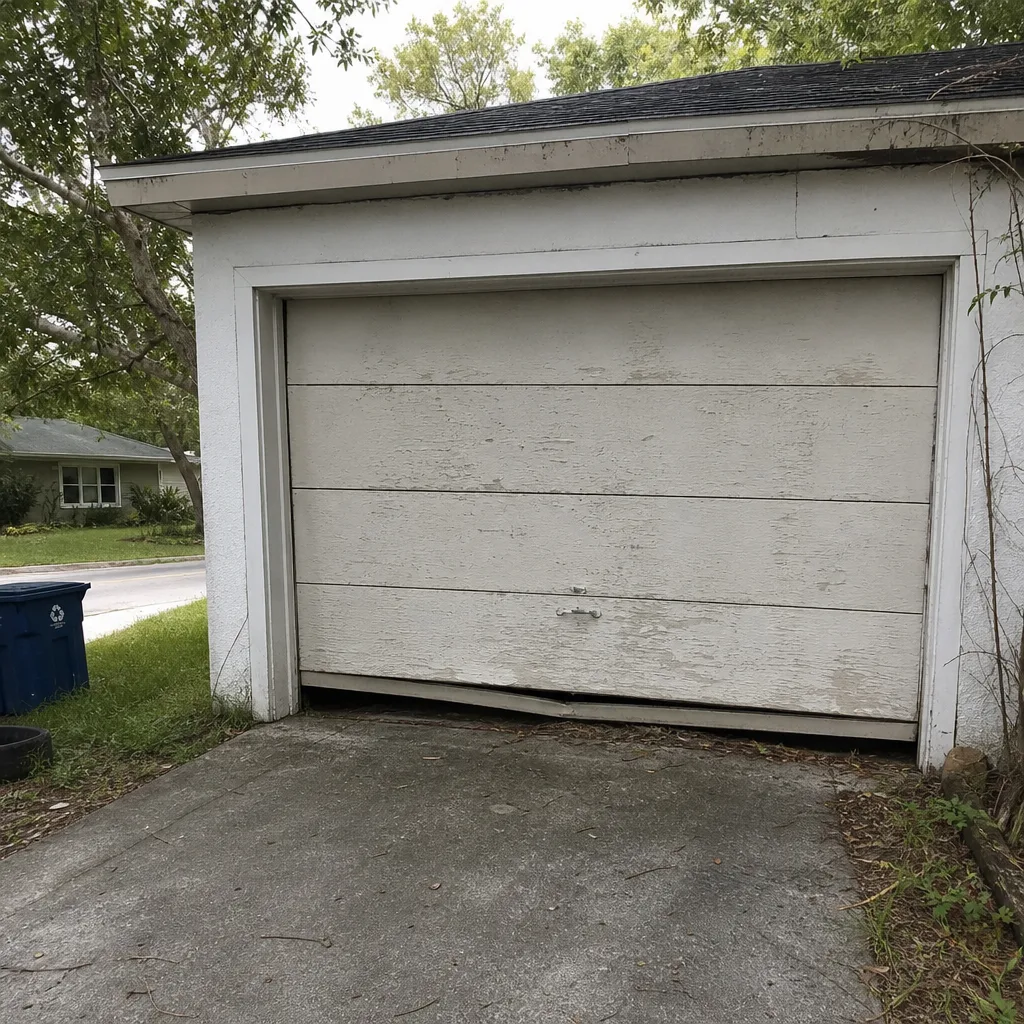 Before
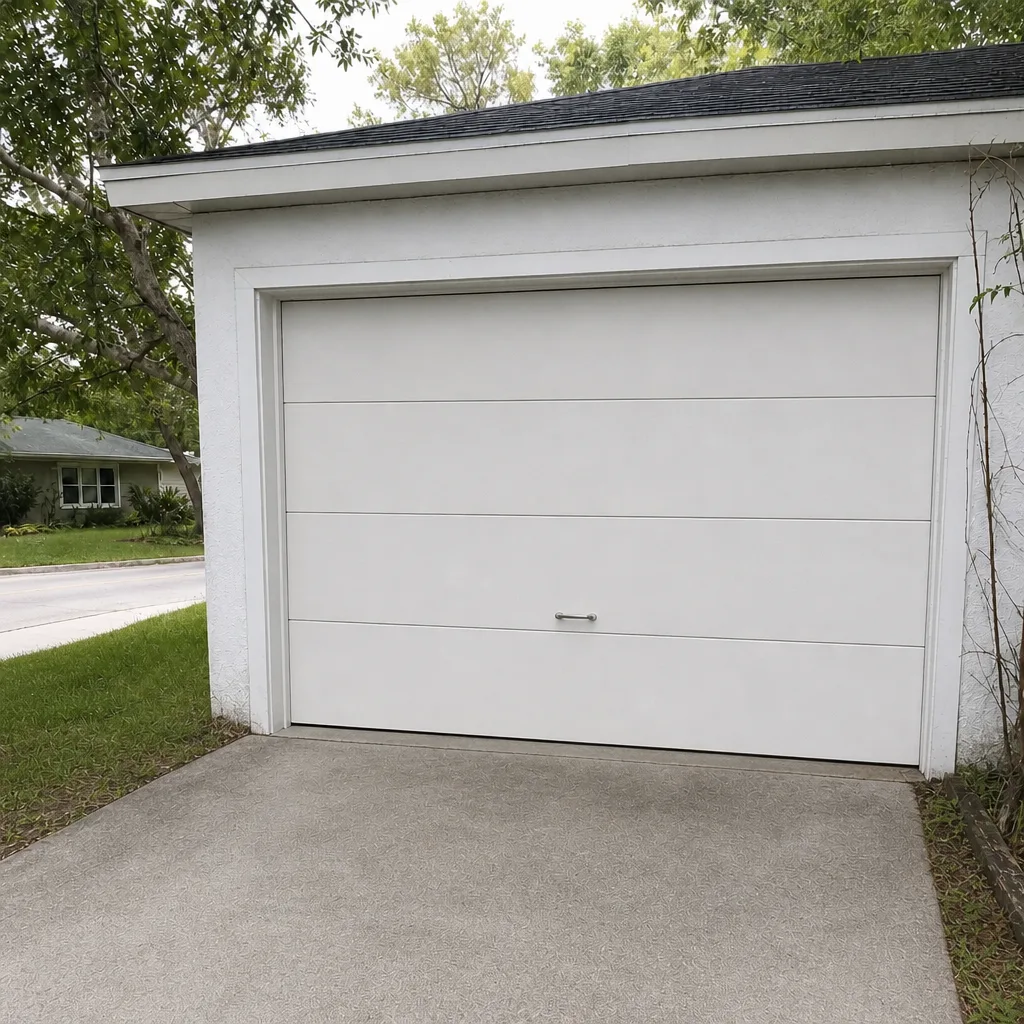 After
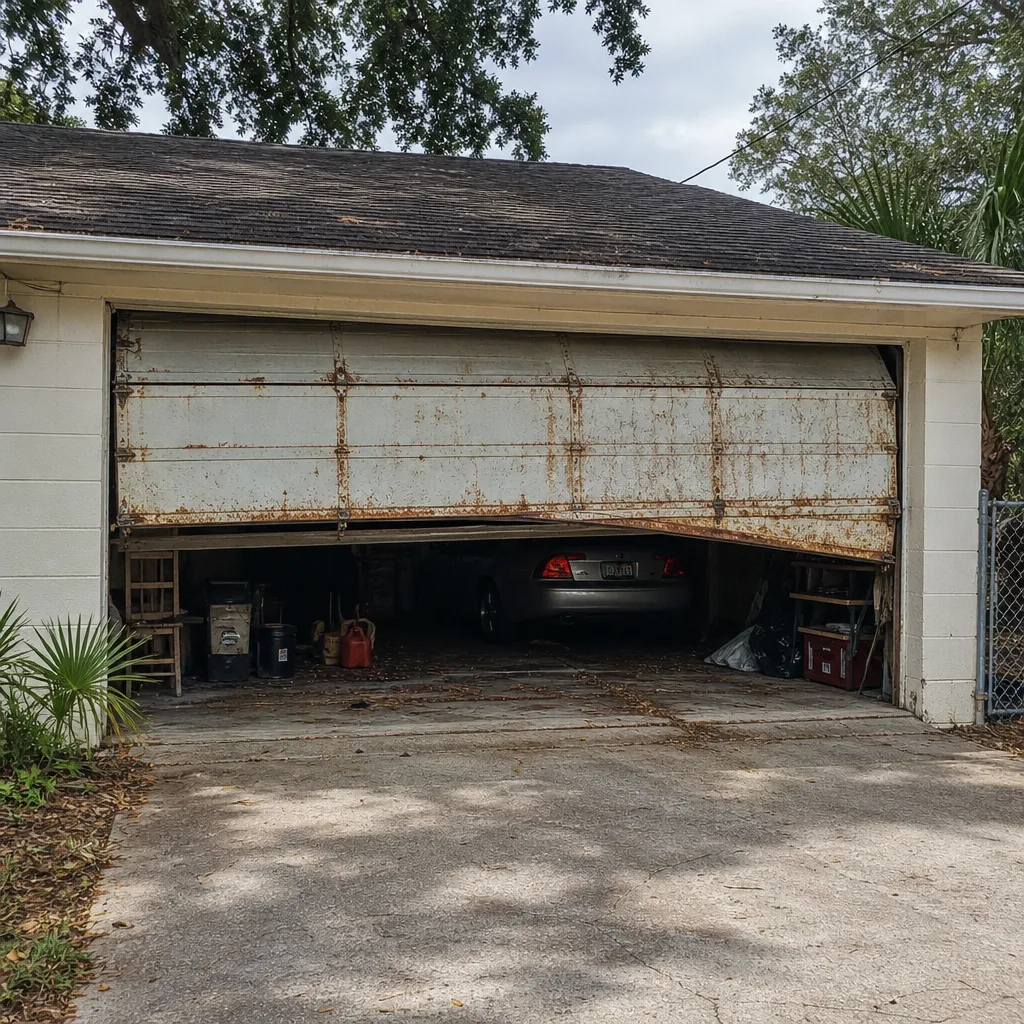 Before
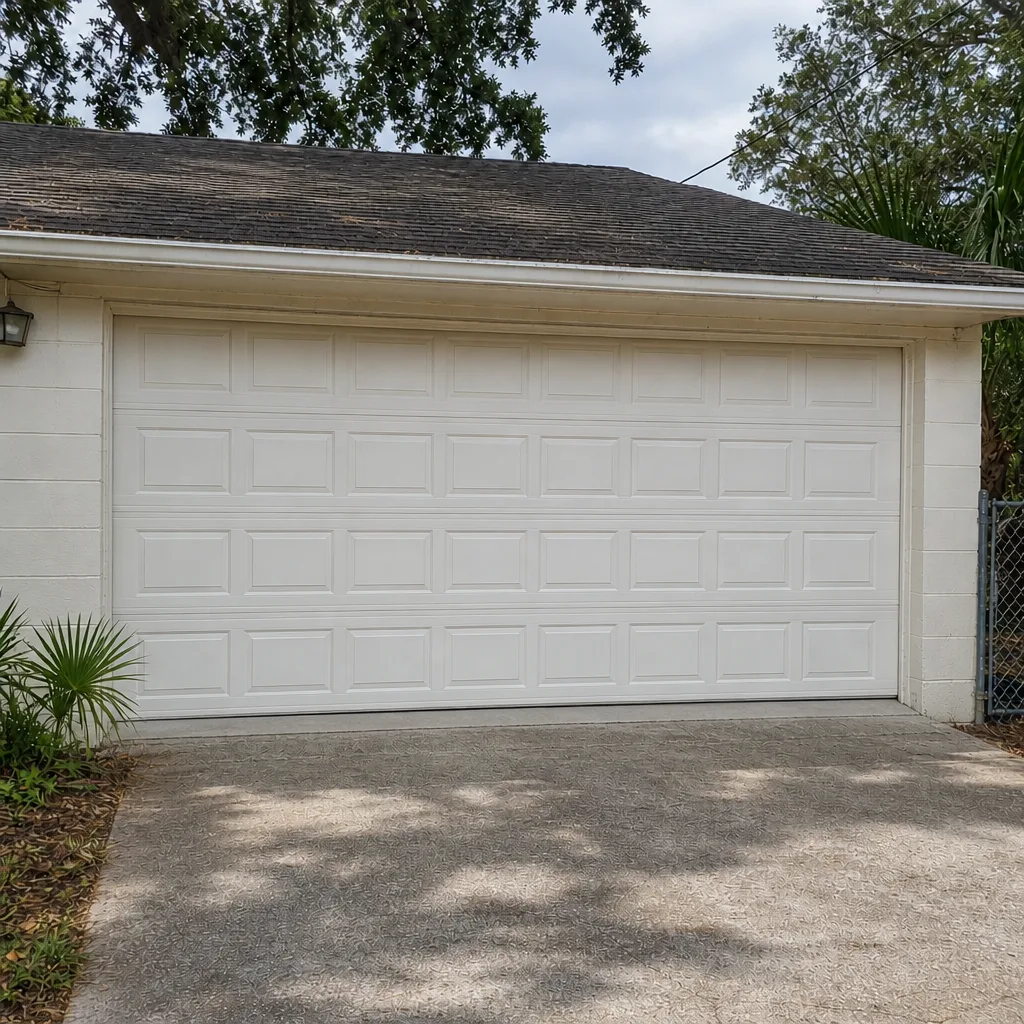 After
When to Call a Professional
Call a professional when the door is failing and you need it fixed now, when a new door is going into an opening you haven’t permitted yet, when a label has been lost or made illegible, or when a closing is approaching and you don’t know whether the door is on the permit record. Spring work on a garage door is dangerous: torsion and extension springs are under high tension, and adjustment is not a homeowner task. That’s a trained-technician job every time. Wind-load compliance and inspection scheduling are also areas where a specialist’s experience saves round trips. Garage Door Repair Seminole Heights offers free estimates in Seminole Heights. Call (877) 757-4452 to talk through the door, the permit, and what comes next.
Frequently Asked Questions
Probably, if the new door differs in model, size, or wind-load rating from the approved door on record. A like-for-like swap of the same rated model in the same opening may qualify as maintenance, but the county makes that call, so confirm with the Hillsborough County building department before work begins. Call (877) 757-4452 for an exact scope and estimate on the door itself.
Plan on a scheduling window rather than a set number of days, because review and inspection timing depend on the county’s workload. Expect plan review, a rough inspection before the door is fully hung, and a final inspection after it’s operating. Build a buffer into the schedule before ordering the door. Call (877) 757-4452 if you want us to walk you through the paperwork.
It often surfaces during a real estate transaction, when a buyer’s inspection or the title company pulls the permit history and finds work that should have been permitted but wasn’t. That can delay a closing while the work is permitted retroactively. The fix is to apply for a permit covering the existing work, pass the inspections, and close it out. Call (877) 757-4452 to get the door inspected and see where you stand.
The inspector verifies that the installed door matches the permitted model and wind-load rating, that the label is present and legible, and that the door operates correctly. The photo-eye reversal system and the door’s force settings are tested as part of the final. Call (877) 757-4452 and we’ll make sure the label and safety systems are ready before the inspector arrives.
Yes, provided the new door meets the wind-load demand for that address and has a current Florida product approval. Because the code requirement is set for the property, the model choice follows from the county’s number, not the other way around. We work with rated models from Clopay and Amarr, among others, and match them to the permit. Call (877) 757-4452 for an estimate.
Spring replacement and opener repair are repair services, not a change to the building’s approved configuration, so they generally don’t require a permit. They do still need a trained technician, because springs are under high tension and the opener’s safety systems have to work with the door. Call (877) 757-4452 for spring or opener work and we’ll quote it before anything starts.
The Bottom Line
Seminole Heights garage doors are code items, not cosmetic add-ons. Florida Building Code Section 1609 ties the door you can install to the wind-load requirement at your address, and unincorporated Hillsborough County permits most replacements that change the door’s model, size, or rating. Confirm that with the county before you buy. Keep the label, complete the rough and final inspections, and treat a permit as the cheaper path. If a prior door was installed without a permit, resolve it now, before a closing forces the issue. Our technicians have up to 15 years of experience, and we work on the brand already in your garage, from LiftMaster to Chamberlain, Genie, Clopay, Amarr, Wayne Dalton, Craftsman, and Raynor. Call (877) 757-4452 for a free estimate.
Written by the team at Garage Door Repair Seminole Heights.