Last updated November 22, 2026
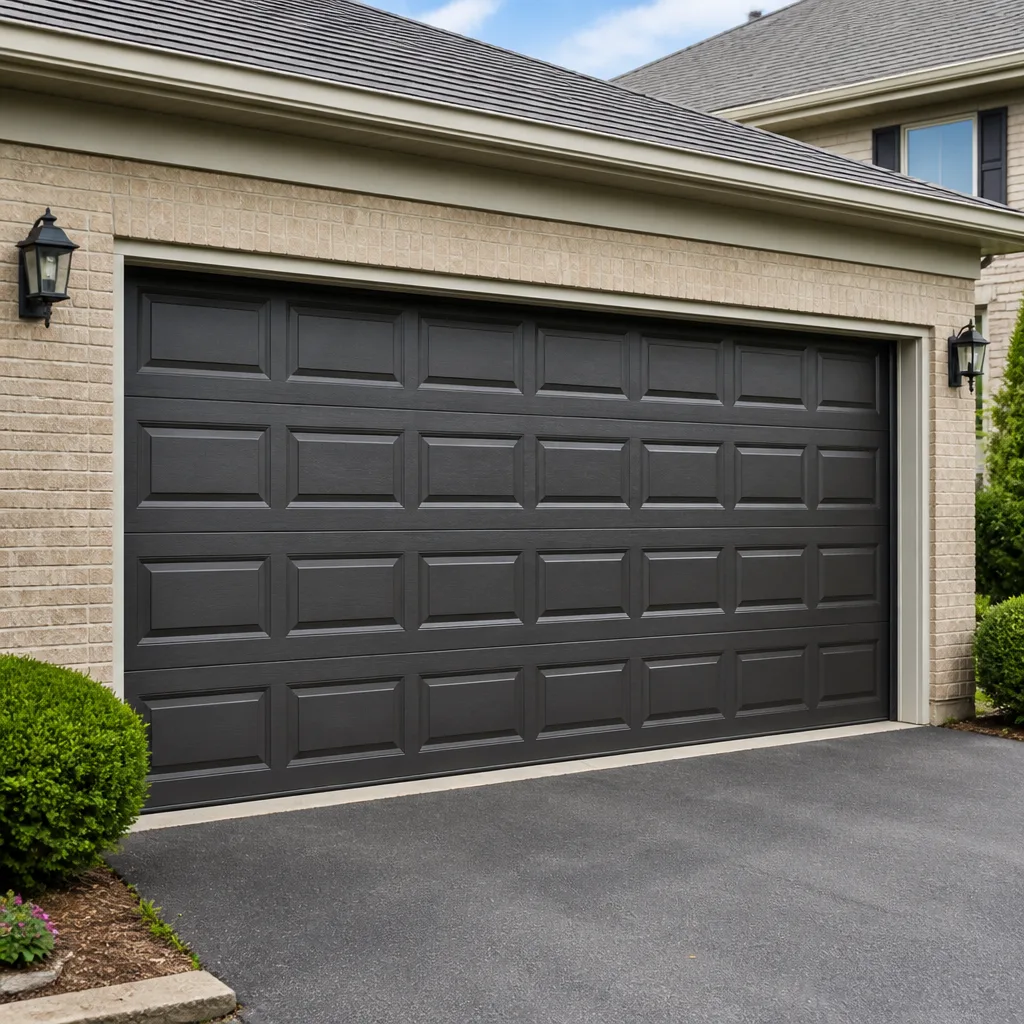 Raised-panel steel
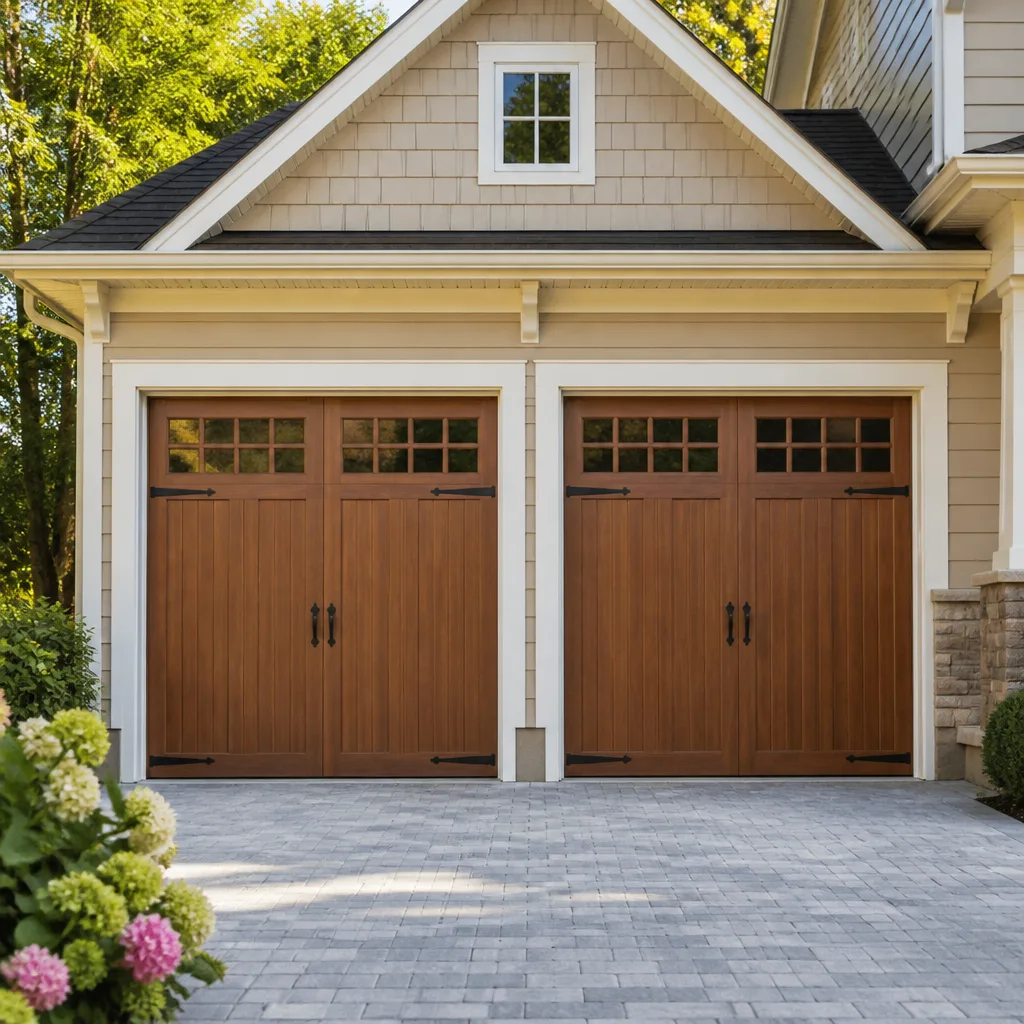 Carriage house
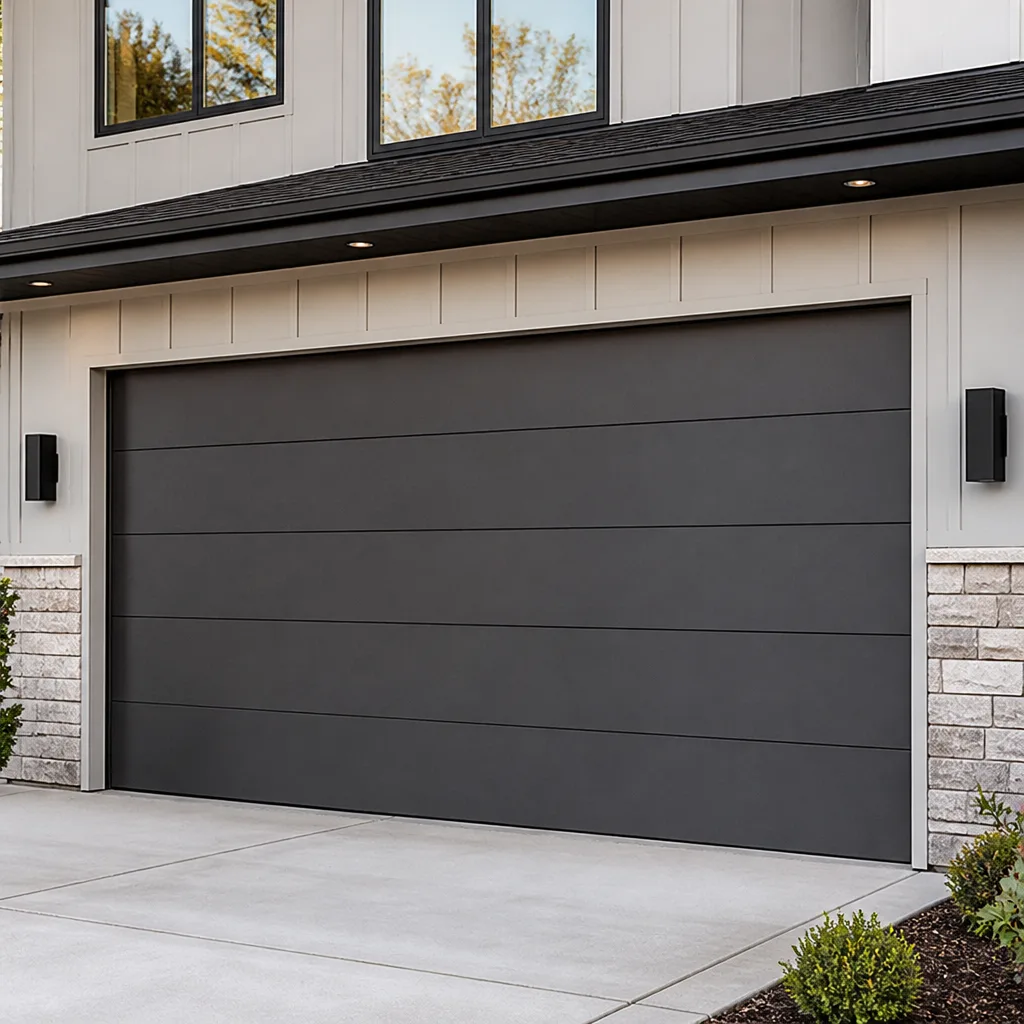 Modern flush
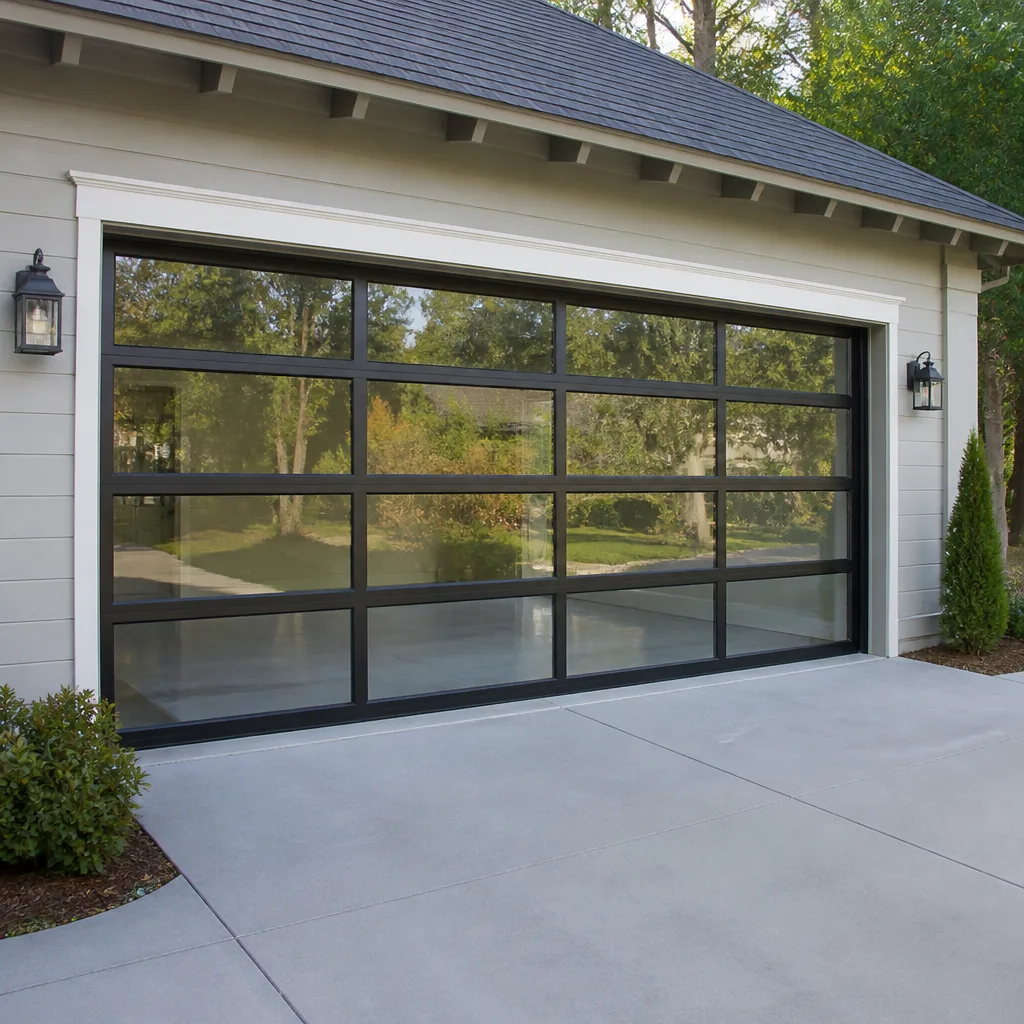 Full-view glass
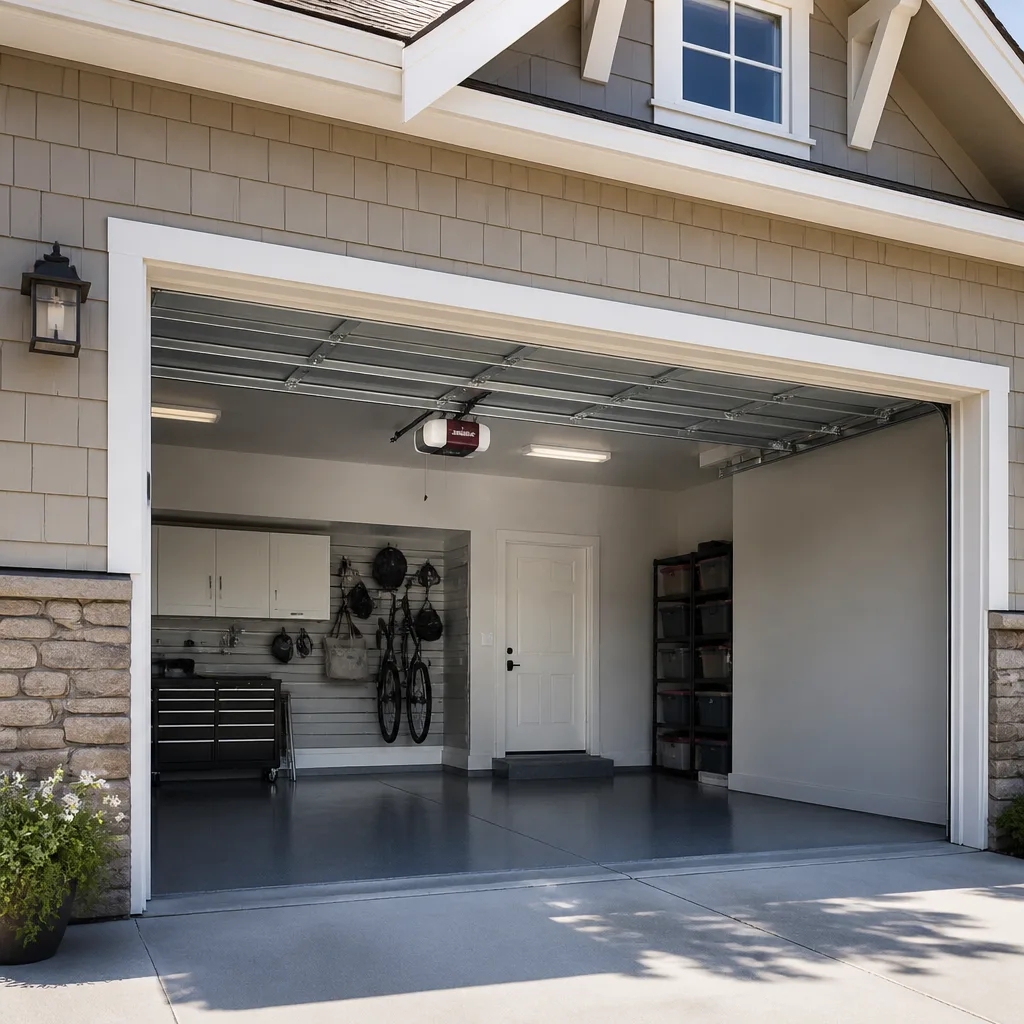 LiftMaster openers
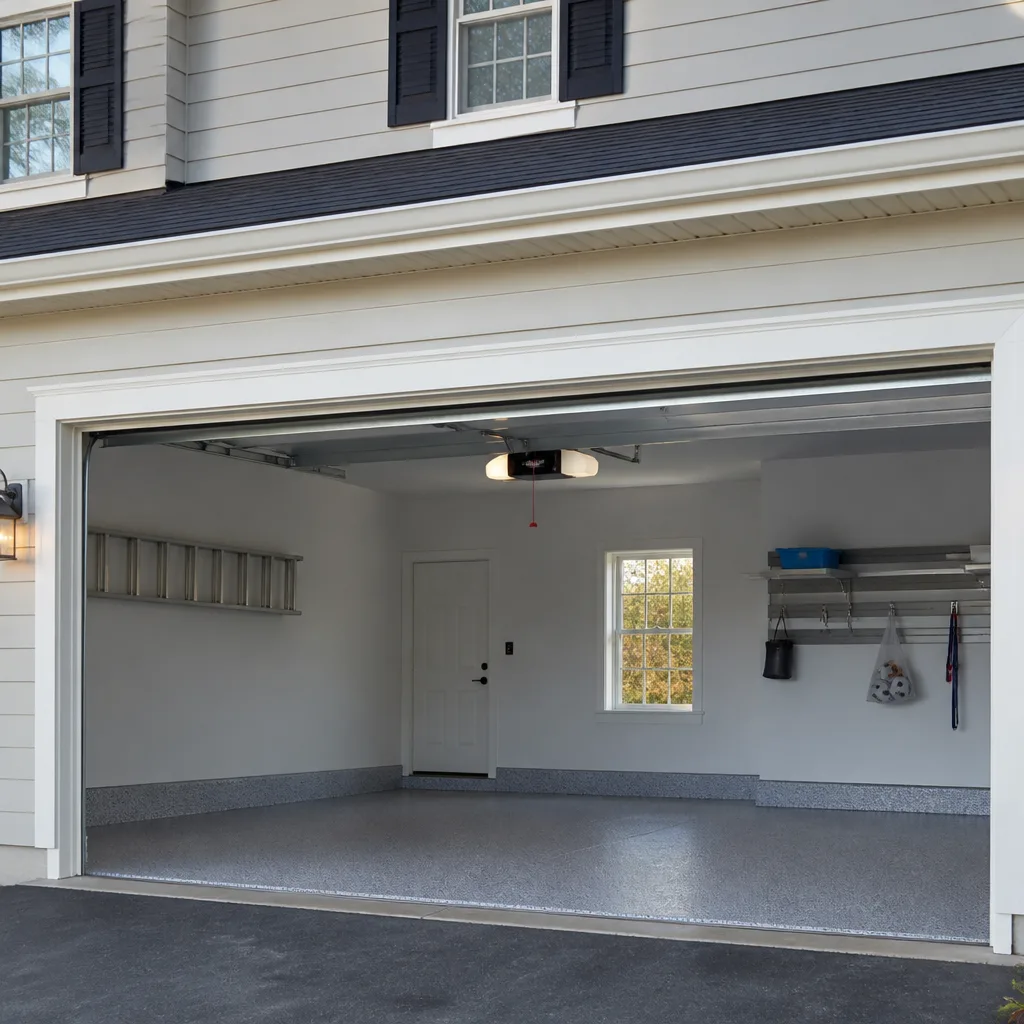 Chamberlain openers
Full 25-point door and opener safety check with every visit - springs, cables, rollers, tracks, and your LiftMaster or Chamberlain opener included
You get a price before we start. It does not change when the pro arrives.
Get your free estimateHow to Hire a Garage Door Contractor in Seminole Heights: A Step-by-Step Guide
Most homeowners hire a garage door contractor the way they hire a painter: they get a number, they compare it, they pick the lower one. That works for painting a bedroom. It does not work for a garage door, because the wrong hire can cost you the same repair twice. Here’s the part people miss. A contractor who drops non-OEM springs into a LiftMaster system can void the opener’s warranty on a door you bought to last a decade. The repair “works,” the warranty quietly dies, and you find out a year later when a different part fails and the manufacturer won’t touch it. This guide walks you through screening a garage door contractor in Seminole Heights step by step: what Florida actually requires, how to verify brand authorization, what to demand in a written estimate, and the red flags that separate a real specialist from a generalist guessing at your door. It’s written for people who use their garage every day and can’t afford a second call.
Quick Answer
To hire a garage door contractor in Seminole Heights, verify three things before you let anyone touch the door: that they’re licensed and insured as Florida requires, that they’re authorized to service the specific brand already installed in your garage, and that they’ll give you a written, itemized estimate on-site before any work begins. Ask what springs they’ll use and whether they’re OEM or aftermarket, confirm who pulls any permit the job needs, and get the scope, price, and parts in writing. If a contractor won’t do all three, keep calling.
Styles & brands we work with
- Raised-panel steel
- Carriage house
- Modern flush
- Full-view glass
- LiftMaster openers
- Chamberlain openers
Table of Contents
- Why the Brand in Your Garage Comes First
- What License Does a Garage Door Contractor Need in Florida?
- How Do You Verify a Contractor Is Authorized for Your Brand?
- What Must a Written Estimate Include in Florida?
- Step-by-Step: Screening a Contractor in Seminole Heights
- Why Spring Pricing Deserves Its Own Conversation
- Red Flags Unique to the Garage Door Trade
- Questions That Reveal Whether They Know Your Brand
Why the Brand in Your Garage Comes First
Before you look at a single review, walk out to your garage and find the brand. It’s on the opener housing, on the door itself, or on a sticker on the end stile. Write it down. That one step filters out half the contractors you might otherwise call, because a company that only knows one or two brands will either substitute generic parts or decline the job after they’ve already shown up.
Garage doors and openers aren’t interchangeable. A torsion spring spec’d for one door weight and drum configuration won’t behave the same on another. An opener’s travel limits, force settings, and safety-reversal behavior are tuned to the specific unit. When a technician works on the brand already in your garage, they’re diagnosing the actual system, not adapting a familiar system to a strange door. That’s the difference between a fix and a callback.
In Seminole Heights, the housing stock ranges from early-1900s bungalows to mid-century ranches to newer builds, and the garage doors on them reflect a century of installation choices. You’ll find Amarr and Wayne Dalton on established homes, Craftsman and Raynor systems on others, and plenty of doors that were upgraded piecemeal over the years. A contractor who services eight of the most widely installed brands in the country, including Amarr, Wayne Dalton, Craftsman, and Raynor, isn’t going to shrug at what you’ve got. We work on the brand already in your garage, which means we’re not asking you to switch systems to make the service easier on us.
This matters most for opener work. Smart and Wi-Fi-enabled openers, including Chamberlain myQ and LiftMaster Smart Garage units, have their own diagnostics, their own setup quirks, and their own firmware behavior. A generalist who hasn’t worked on these will often recommend replacement when the real problem is a sensor alignment, a logic board, or a travel setting. Getting the actual brand right is step one of getting the actual problem right.
What License Does a Garage Door Contractor Need in Florida?
Florida doesn’t hand out one blanket “garage door license.” The license you should verify depends on the work, and this trips up a lot of homeowners. Installation work and repair-only work don’t always fall under the same category, and the way a contractor is licensed tells you what they’re legitimately set up to do.
For installation and structural work, look for a state-licensed contractor under the Florida Construction Industry Licensing Board (CILB), or a licensed specialty contractor whose scope covers the work you’re hiring for. Garage door installation can involve anchoring tracks, springs, and header brackets to the structure, which is why some installations require a licensed contractor and a permit. For repair-only work, the bar is lower in many cases, but “lower” is not “zero.” Any contractor you hire should still be licensed and insured as their state requires.
Here’s how to verify:
- Ask for the license number and the license category, not just “we’re licensed.”
- Look the number up through the state’s contractor licensing database. The license should be active and in the right category.
- Ask for a certificate of insurance showing general liability and workers’ compensation, and call the insurer to confirm it’s current. A certificate can be forged or expired.
- Match the name on the license to the name on the estimate and the name on the insurance. Mismatches are a warning sign.
On permitting: many garage door installations need a permit, and some repairs do too, depending on what’s being altered. We’re not going to tell you a specific rule for your address, because that’s the city’s call. Ask the contractor directly who pulls the permit, and confirm with the City of Tampa’s building department what your job requires. A contractor who says “we don’t bother with permits for garage doors” is telling you something important about how they operate.
One more point on licensing that gets lost: the license protects you, not the contractor. If a spring lets go and someone gets hurt, or a door comes off its track and damages a car, the insurance behind a properly licensed and insured contractor is what stands between you and the bill. That’s the whole reason to check.
How Do You Verify a Contractor Is Authorized for Your Brand?
Authorization is a real, checkable thing, and most homeowners never ask. Authorization means the contractor is recognized by the manufacturer to sell, install, or service that brand’s products. It’s not the same as “we’ve worked on those before.” Authorized service providers get access to manufacturer parts channels, technical documentation, and warranty-backed components. A non-authorized shop can still do the repair, but they’re often working from aftermarket parts and general knowledge.
To verify authorization for your specific brand:
- Ask which brands they’re certified to service, and ask them to name the certification.
- Check the manufacturer’s own dealer or service-provider locator for your brand and your ZIP code. Most of the major brands have one.
- Ask what parts they’ll use on your repair and whether those parts are OEM (original equipment manufacturer) or aftermarket. A contractor who can answer this without hedging knows their supply chain.
- Ask whether the repair will affect your existing manufacturer warranty. If they can’t answer, that’s your answer.
This is where the warranty voiding happens. Manufacturers write their warranties around OEM parts and authorized installers. If an aftermarket spring of a slightly different wire gauge or cycle rating goes into a door still under warranty, and a related component fails later, the manufacturer has grounds to deny the claim. You paid for a repair and lost a warranty in the same visit. We service eight of the most widely installed brands, including Amarr, Wayne Dalton, Craftsman, and Raynor, and we use parts that match the system, so a repair doesn’t cost you coverage on the rest of the door.
Parts availability is the other half of authorization. When a contractor isn’t plugged into the manufacturer parts channel, every unusual component becomes a special order, and you’re waiting days with a door that won’t close. Having parts on hand for the brands we service is a deliberate choice, not an accident. It’s why a repair that should take one visit doesn’t turn into a week of phone calls.
What Must a Written Estimate Include in Florida?
Get the estimate in writing, on-site, before any work starts. Verbal estimates and phone quotes are how homeowners end up with an invoice that doesn’t match what they thought they agreed to. A written estimate that actually protects you in Florida needs to answer every one of these questions:
- Scope of work: exactly what’s being repaired or replaced, and what’s staying as-is. “Fix door” is not a scope. “Replace both torsion springs, lubricate rollers, adjust travel limits” is.
- Parts, named: the specific parts going in, including whether they’re OEM or aftermarket, and the brand. This is where warranty protection lives.
- Price, itemized: parts and labor broken out. A single lump sum tells you nothing and makes it impossible to compare bids fairly.
- Permit responsibility: who pulls it, who pays for it, and whether the price includes the permit fee.
- Timeline: when the work happens and how long it’s expected to take. For installation, this includes the measure and order date.
- Payment terms: how much up front (if anything), when the balance is due, and the method.
- License and insurance information: the numbers, right on the estimate.
- What happens if the scope changes: who approves additional work, and how. This is the clause that protects you from the “we found something else” surprise.
Two things to insist on. First, the written estimate sets the final price. If the contractor finds a problem that wasn’t visible until the door came apart, they stop, explain it, and get your approval before continuing. Any contractor who won’t commit to that in writing isn’t giving you an estimate, they’re giving you an opening number. Second, keep the estimate. If the job goes sideways, that document is your proof of what was agreed. A contractor who resists putting it in writing is telling you they want flexibility you don’t have.
This is the section most homeowners skim, and it’s the one that saves the most money. A clear written estimate is worth more than a slightly lower verbal quote from someone who won’t commit to paper.
Step-by-Step: Screening a Contractor in Seminole Heights
Here’s the screening process, in order. It takes about an hour of your time and it filters out the guessers before they waste a visit.
- Identify your brand and door type. Write down the opener brand, the door brand if you can find it, and whether the door uses torsion springs (a horizontal shaft above the door) or extension springs (springs running along the horizontal tracks). This information tells every contractor you call what they’re dealing with.
- Describe the symptom precisely. Not “it’s broken.” A door that won’t open, a door that opens a foot and stops, a door that reverses immediately on closing, a loud bang from the spring area, a remote that stopped working: each points to a different system. A contractor who asks follow-up questions is diagnosing. One who quotes immediately is guessing.
- Ask about brand authorization. Confirm they service your specific brand, and ask what certification they hold. This is the question that separates specialists from generalists.
- Request an on-site estimate. Refuse phone quotes for anything beyond a ballpark. A contractor who won’t come look at the door before quoting is either guessing or planning to change the price once they arrive.
- Verify the license and insurance. Look up the license number through the state database. Confirm insurance with the insurer, not just the certificate.
- Get the written estimate and read it. Check for the eight items above. Ask about anything that’s missing. A good contractor expects this and answers without irritation.
- Ask who pulls the permit. If the job needs one, it should be the contractor. Confirm with the City of Tampa what your specific job requires.
- Compare bids on parts, not just price. Two bids that differ by $100 aren’t the same bid if one uses OEM springs and the other uses generic. Compare what’s going in, not just the total.
We’ve seen this process catch a lot of near-misses for homeowners across Seminole Heights, from the bungalows near the river to the newer builds on the east side. The pattern is consistent: the contractor who answers the brand question confidently and puts the parts in writing is the one who fixes it once. For a deeper look at what repair actually involves once you’ve hired, see our garage door repair page.
Why Spring Pricing Deserves Its Own Conversation
Spring pricing is where vague quotes go to hide. A torsion or extension spring replacement should be quoted per spring, with the spring’s wire gauge and cycle rating specified, and with the option for a matched pair priced separately. If a contractor gives you one number for “the springs” without telling you how many are being replaced or what’s going in, you can’t compare it to anything, and you can’t tell whether you’re getting a $180 job or a $340 job until the invoice arrives.
Spring work is also the most dangerous repair in the trade, and the reason a specialist matters. A torsion spring under tension stores enough energy to cause serious injury if it releases uncontrolled. Winding and unwinding is a two-bar, controlled-tension procedure that takes training and the right tools. Extension springs carry similar risk and require containment cables. This isn’t a repair to hand to a general handyman or attempt yourself, no matter how straightforward the videos make it look. Spring replacement done safely means a trained technician, the correct spring for the door’s weight, and the door re-balanced and tested afterward.
When you get spring quotes, ask three questions: How many springs are being replaced? What’s the wire gauge and cycle rating? Are they OEM or aftermarket? A contractor who can answer all three in the first conversation knows the job. One who can’t is guessing at compatibility, and you’ll find out when the door is unbalanced or the cycle rating is wrong for how often you use it.
If the spring failure came with opener trouble, or you’re not sure which system is at fault, the garage door opener repair page covers how opener symptoms and spring symptoms overlap, which is a common source of misdiagnosis.
Red Flags Unique to the Garage Door Trade
Every trade has its warning signs. These are the ones specific to garage doors, and they show up more often than you’d think.
- Vague spring pricing. If the quote doesn’t say how many springs, what wire gauge, and whether they’re OEM, the contractor is keeping room to adjust the invoice. Ask, and if the answer stays vague, walk.
- Refusal to quote on-site. Garage door problems can’t be diagnosed over the phone. A contractor who insists on a phone quote is either guessing or planning a surprise. An on-site estimate is the standard, and you should expect it.
- Unmarked vehicles and no company identification. This is one of the oldest red flags and still one of the most reliable. A contractor who shows up in an unmarked vehicle with no company name, no license number on the paperwork, and no way to confirm who they are is a contractor you can’t hold accountable. Vetting is on you, so ask before they arrive.
- “We only work on one brand.” A specialist who services one brand isn’t necessarily bad, but if your brand isn’t theirs, they’ll substitute or decline. Multi-brand capability means the brand in your garage gets the right part.
- Upselling to a full replacement on a repair job. Some replacements are genuinely necessary: a door that’s cracked, rusted through, or structurally compromised. But if a spring replacement or opener fix turns into “you need a whole new door” before anyone has diagnosed the actual failure, get a second opinion.
- No written estimate. Covered above, but it belongs here too. No paper, no job.
- Aftermarket parts presented as OEM. Ask directly, and ask to see the part before it goes in. A contractor who’s proud of their parts supply chain will show you.
There’s one more that’s specific to how garage doors fail in this climate. Seminole Heights summers are hot and humid, and humidity affects lubricant, metal, and wood components over time. A contractor who’s familiar with how doors age in this climate will know to check rollers, hinges, and the bottom seal during a repair, not just the part that failed. One who only fixes the broken part and leaves the rest to fail next month isn’t diagnosing the door, they’re treating the symptom.
Questions That Reveal Whether They Know Your Brand
You don’t need to know the answers to these questions. You need to hear how the contractor answers them. A specialist answers quickly and specifically. A generalist hedges, generalizes, or pivots to a sales pitch.
- “What opener brand is in my garage, and what’s its force-setting procedure?” A contractor who knows your brand will describe the specific adjustment method. One who doesn’t will say “it’s pretty standard.”
- “Are the springs you’re installing OEM or aftermarket, and what cycle rating?” The answer should be immediate and specific. If it isn’t, the parts supply chain is unknown.
- “Will this repair affect my manufacturer warranty?” A brand-authorized contractor knows how warranty claims work and won’t dodge the question. If they’re vague, ask them to put it in writing that the repair won’t void the warranty.
- “My door is an Amarr / Wayne Dalton / Craftsman / Raynor. Do you service it?” Pick whichever matches your door. A specialist will say yes or no directly and explain what they’d check first.
- “Do you have the parts on hand, or will this be a special order?” Parts on hand means the repair is likely done in one visit. Special order means you wait, and a contractor who knows their inventory answers this without checking.
- “What’s your process if you find something else once the door is apart?” The right answer is “we stop and get your approval before doing anything additional.” If the answer is “we’d just fix it,” get it in writing.
- “What’s the permit situation for this job?” For installation and some repairs, a permit is required. A contractor who knows the local process will tell you who pulls it and why. One who says permits aren’t needed for garage doors is either misinformed or avoiding scrutiny.
Run these in one phone call. It takes ten minutes and gives you a clearer picture than any review page. For installation specifically, where the measure, order, and permit steps all come into play, the garage door installation page walks through that sequence in more detail. And if you’re starting from a broken door and need the repair conversation first, our main garage door repair Seminole Heights page is the place to begin.
Common Mistakes to Avoid
- Hiring on price alone. The lowest bid is often the one using aftermarket parts or skipping the permit. The $100 you save can cost you a warranty claim or a second repair. Compare parts and scope, not just totals.
- Skipping the brand check. If you don’t know what’s in your garage, you can’t tell whether a contractor is qualified to work on it. Walk out and find the brand before you call anyone.
- Accepting a phone quote for repair work. Garage door failures need to be seen. A phone quote is a guess dressed up as a price, and it’s the setup for a “found something else” invoice. Insist on an on-site estimate.
- Not verifying insurance. A certificate of insurance is a piece of paper. Confirming it with the insurer is the actual check, and it’s the one that protects you if something goes wrong.
- Letting the contractor pull the permit “later.” In Florida, the permit protects the homeowner. If the job needs one, it should be pulled before the work, not after. Confirm with the City of Tampa what your job requires.
- Assuming all springs are the same. Wire gauge, cycle rating, and OEM vs. aftermarket all affect how the door performs and how long the repair lasts. Ask, and make the contractor tell you in writing.
- Overlooking the rest of the door during a repair. A spring replacement on a door with worn rollers and a failing bottom seal is a short-term fix. A good contractor inspects the whole system, especially in Seminole Heights where heat and humidity age components at a specific pace. Ask what else they’ll check.
See the difference
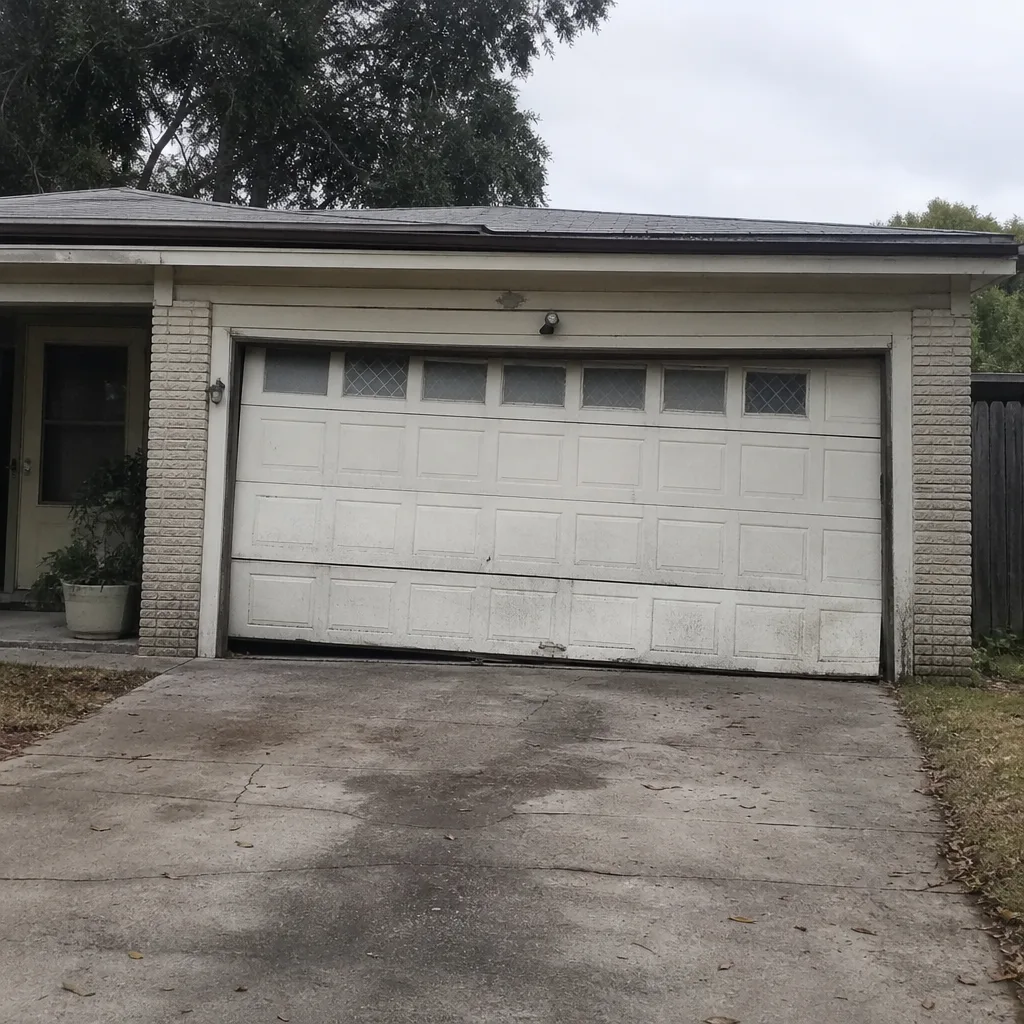 Before
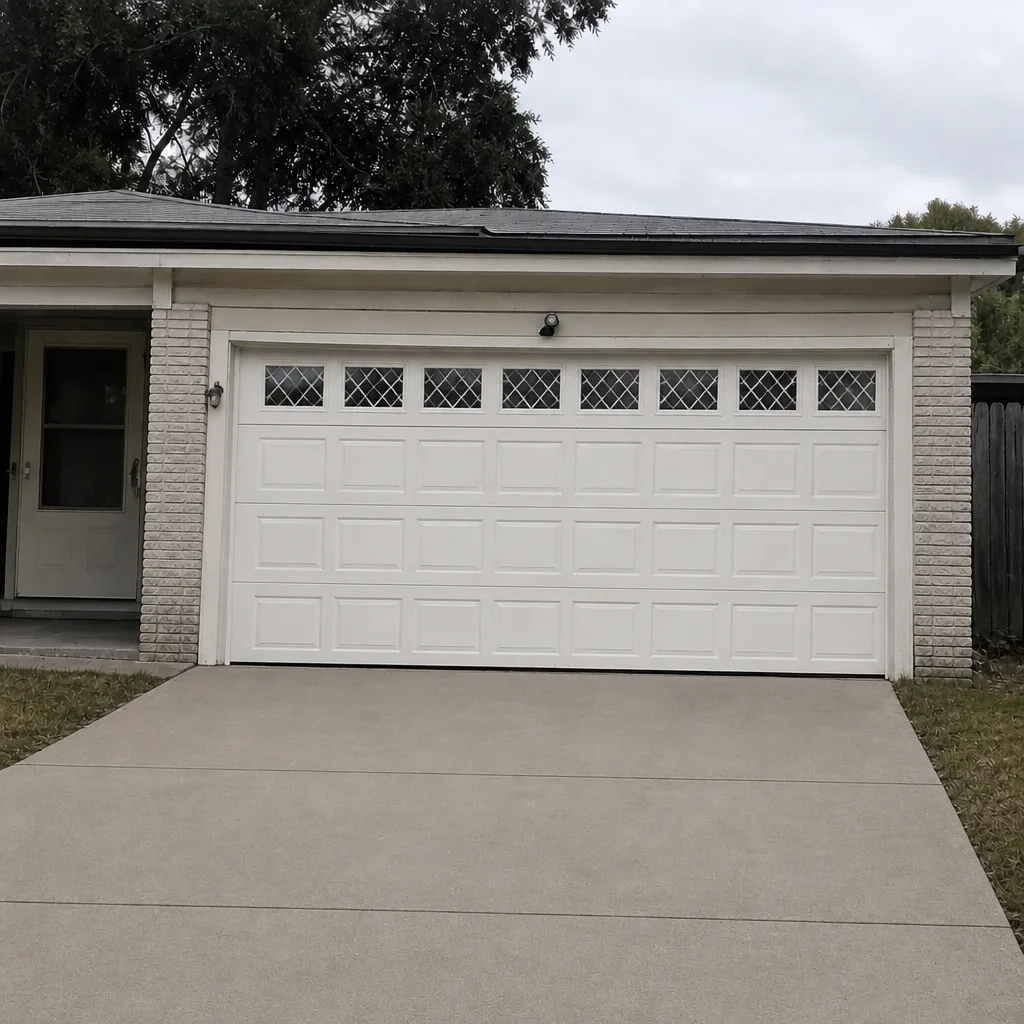 After
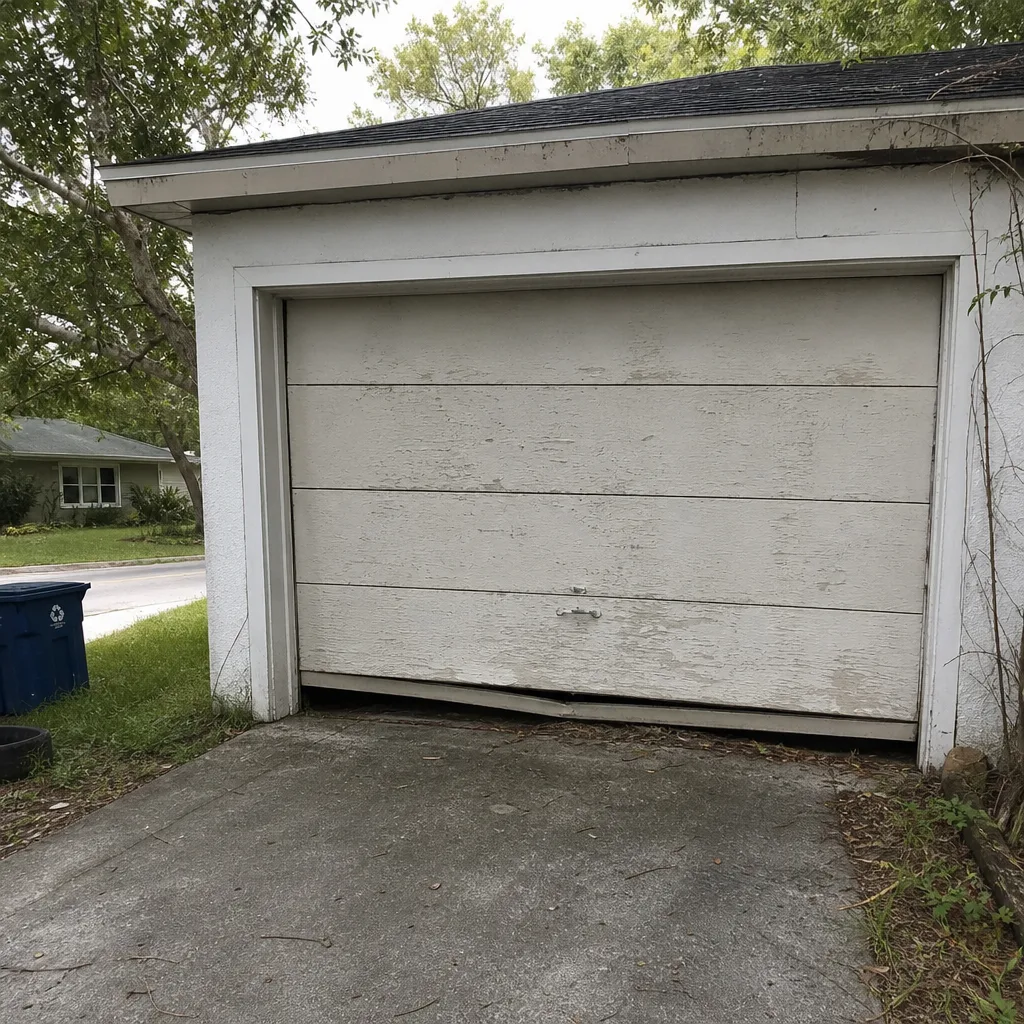 Before
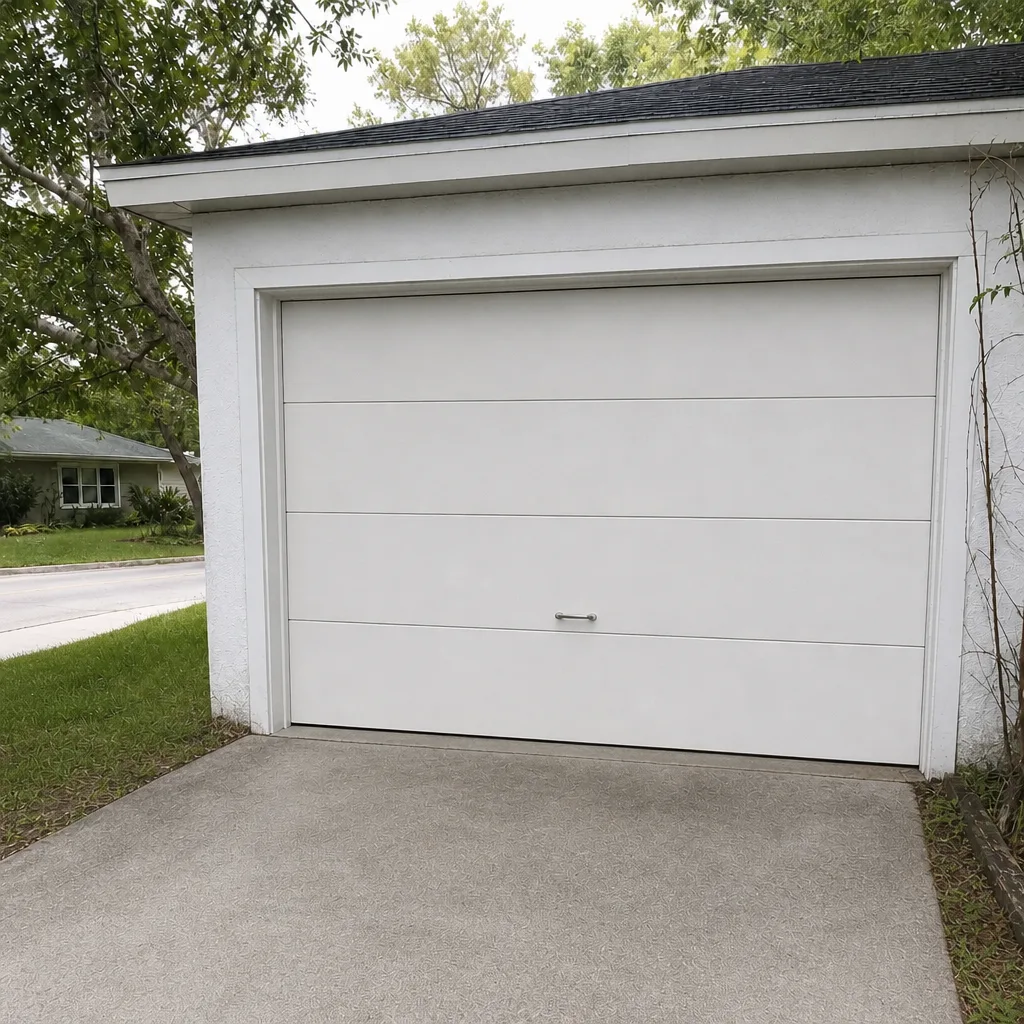 After
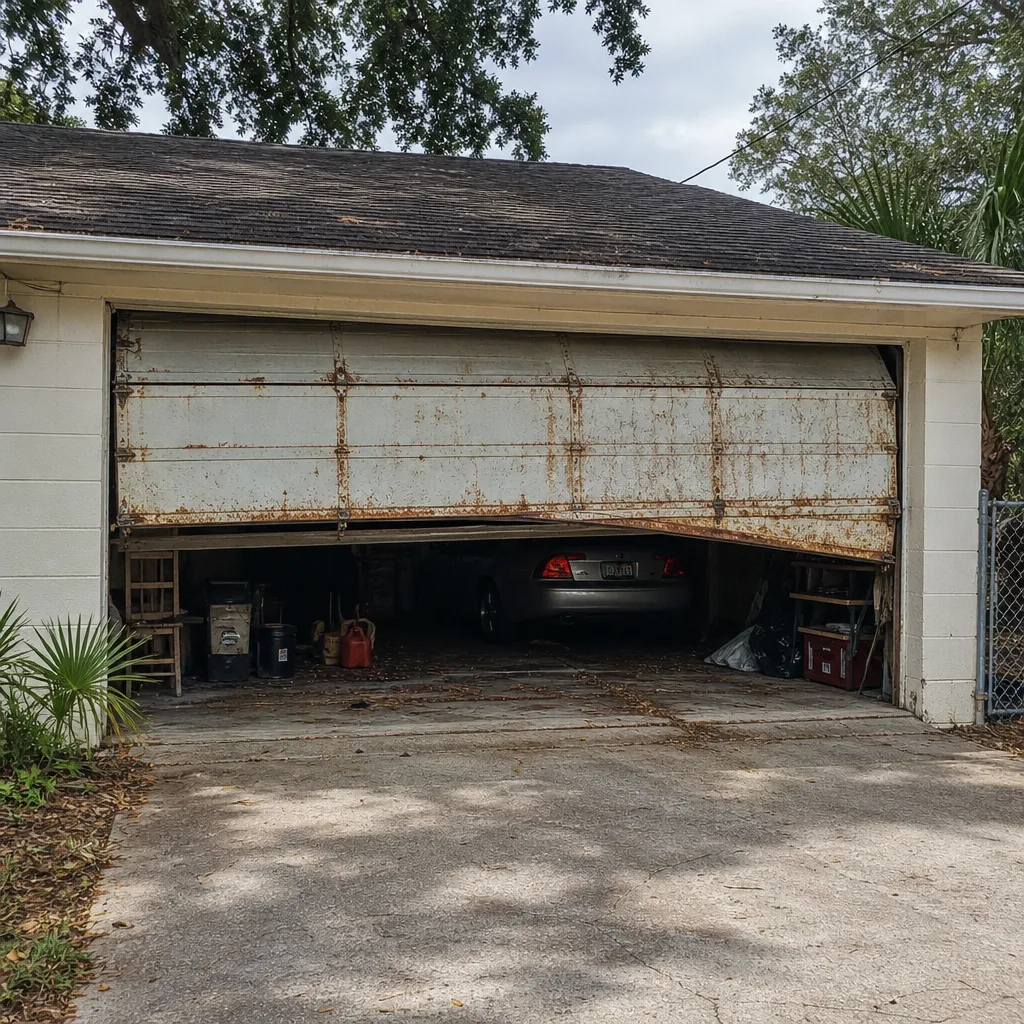 Before
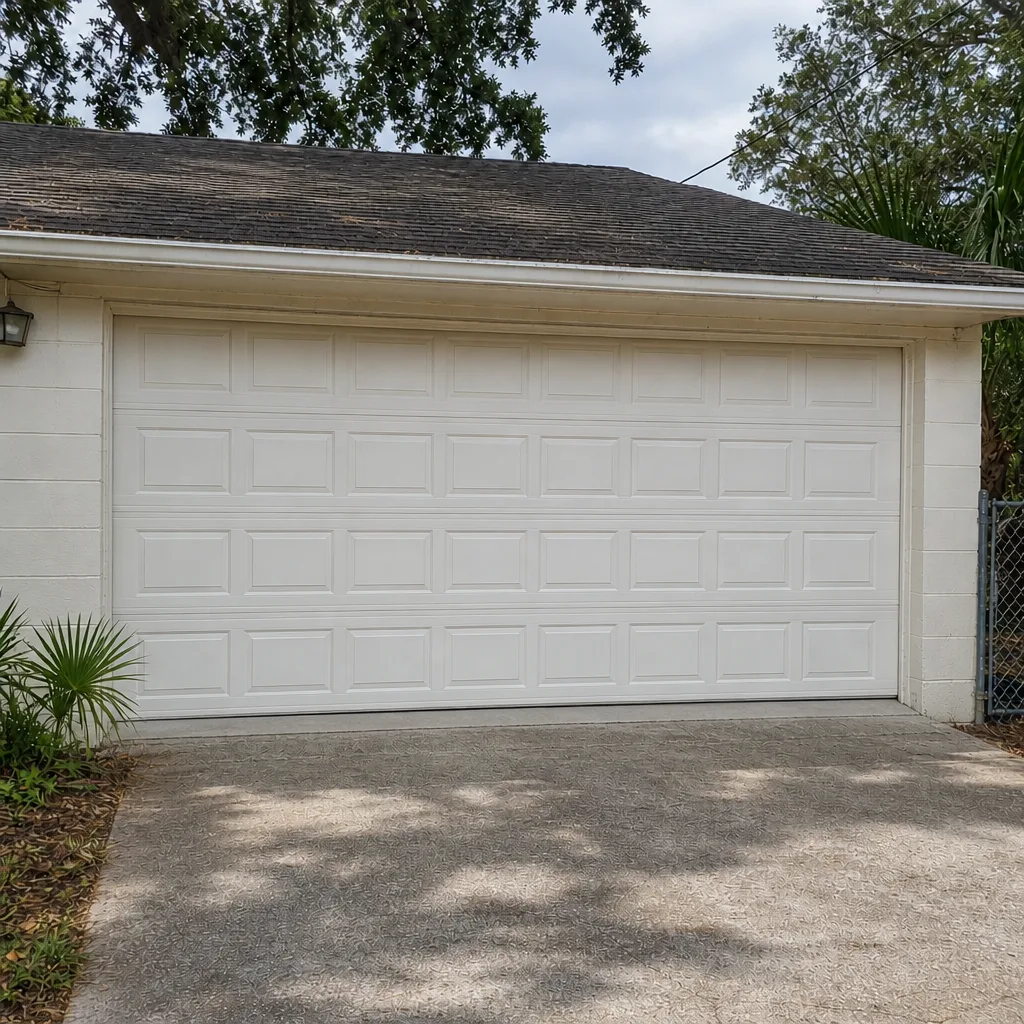 After
When to Call a Professional
Some garage door problems are cosmetic. Most aren’t. Call a professional if the door won’t open or close, if it reverses on its own, if you hear a loud bang from the spring area, if a cable is frayed or hanging loose, if the door is visibly off its tracks, or if the opener runs but the door doesn’t move. Any of these involves a system under tension or a moving component that can cause injury. Springs, cables, and torsion hardware should never be adjusted by a homeowner, and openers with a suspected logic board or sensor fault need brand-specific diagnostics. Our technicians have up to 15 years of experience across the brands we service, and we diagnose the actual problem rather than treating the symptom. Garage Door Repair Seminole Heights offers free estimates in Seminole Heights – call (877) 757-4452.
Frequently Asked Questions
Garage door repairs in Seminole Heights vary by what’s wrong: a minor adjustment or roller replacement sits at the low end, while a full torsion spring replacement runs higher, and a matched pair of springs costs more than a single. The written estimate you get on-site is the price you pay, and nothing starts until you’ve agreed to it. Call (877) 757-4452 for an exact quote – estimates are free.
Repair calls in Seminole Heights can often be handled same-day depending on schedule and parts availability. We carry parts on hand for the brands we service, which is the main thing that determines whether a repair happens in one visit. Call (877) 757-4452 and we’ll tell you what’s available.
No. The written estimate you receive on-site is the price, and if we find something additional once the door is apart, we stop and explain it before doing anything further. Any change to the scope requires your approval. Call (877) 757-4452 for an exact quote – estimates are free.
Yes. The local professionals we connect you with are licensed and insured as Florida requires, and you should always verify the license and insurance yourself before any work starts. Ask for the license number and the certificate of insurance, and confirm both with the state and the insurer. Call (877) 757-4452 with any questions before booking.
Most likely, yes. We service eight of the most widely installed brands in the country, including LiftMaster, Chamberlain, Genie, Clopay, Amarr, Wayne Dalton, Craftsman, and Raynor, and we diagnose the system actually installed rather than substituting a generic. If you’re not sure what you have, check the opener housing or the door’s end stile. Call (877) 757-4452 and we’ll confirm.
Many garage door installations require a permit, and some repairs do too, depending on what’s being altered, so confirm with the City of Tampa’s building department what your specific job requires. Ask your contractor who pulls the permit and whether the fee is included in the written estimate. Call (877) 757-4452 for a free on-site measure and written price.
The Bottom Line
Hiring a garage door contractor in Seminole Heights comes down to three checks, in this order: the license and insurance, the brand authorization, and the written estimate. Get those three right and the rest follows. The contractor who services the brand already in your garage, uses OEM parts, pulls the permit when required, and puts the scope and price on paper is the one who fixes the door once. The contractor who quotes vaguely, won’t come look at it, or can’t tell you what’s going in is the one who costs you twice. We service eight of the most widely installed brands, carry parts on hand, and quote every job in writing before any work starts. One call covers the diagnosis, the parts, and the repair.
Call (877) 757-4452 for a free estimate. We’ll look at the door, tell you what’s actually wrong, and give you a written price you can compare.
Written by the team at Garage Door Repair Seminole Heights.