Last updated November 22, 2026
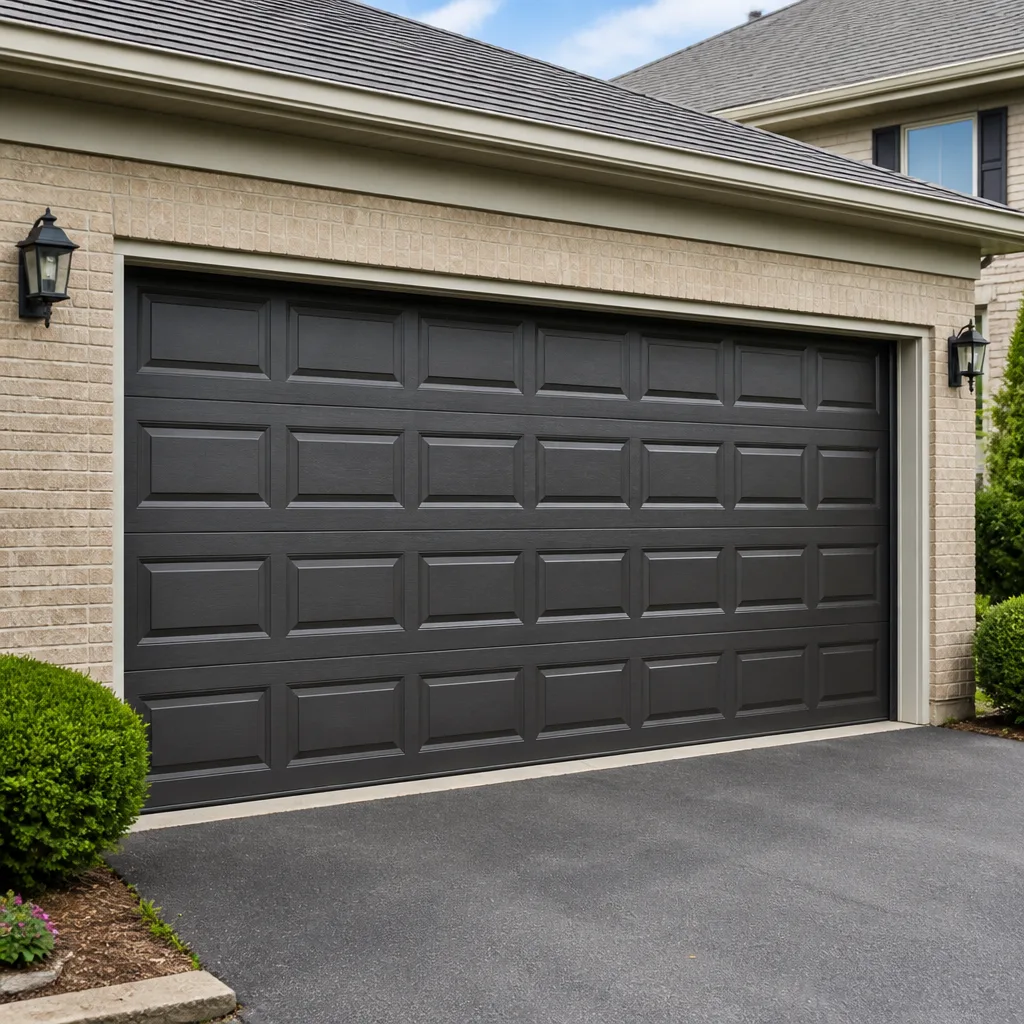 Raised-panel steel
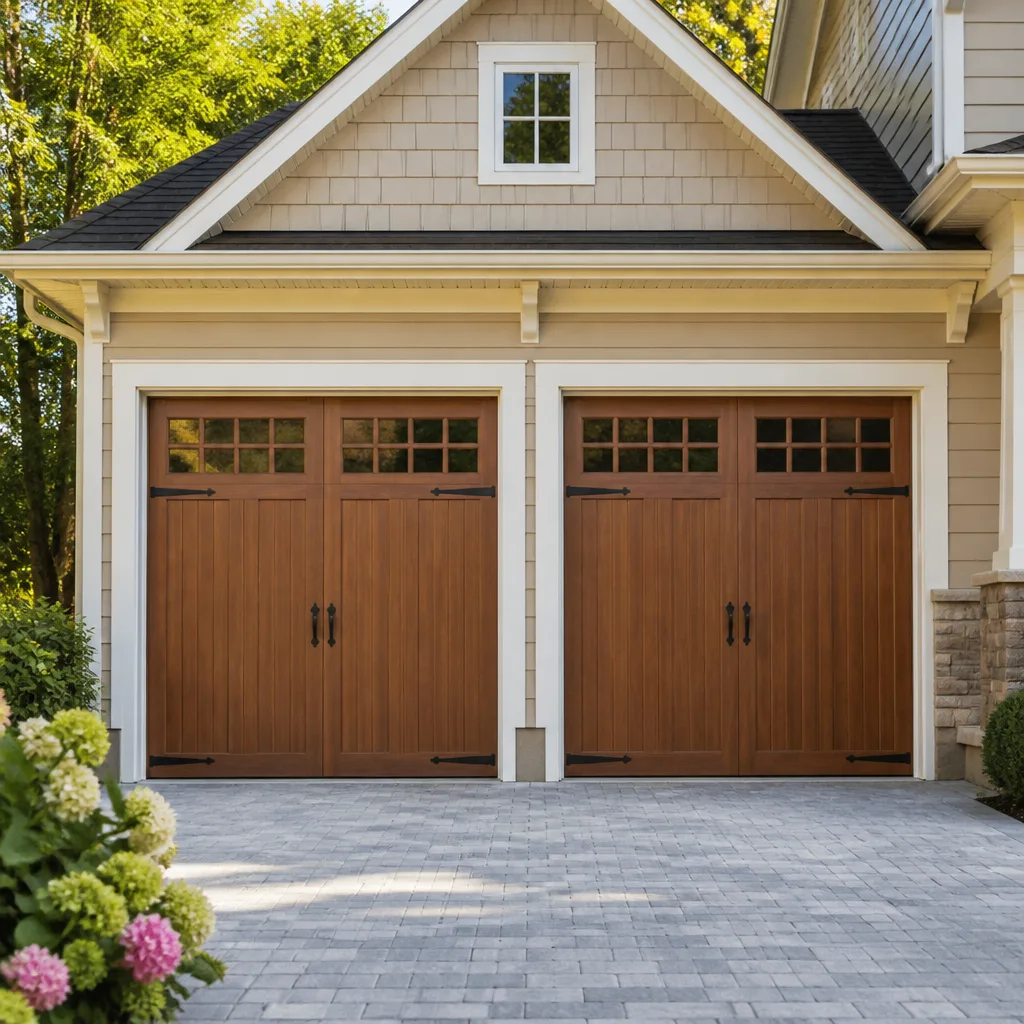 Carriage house
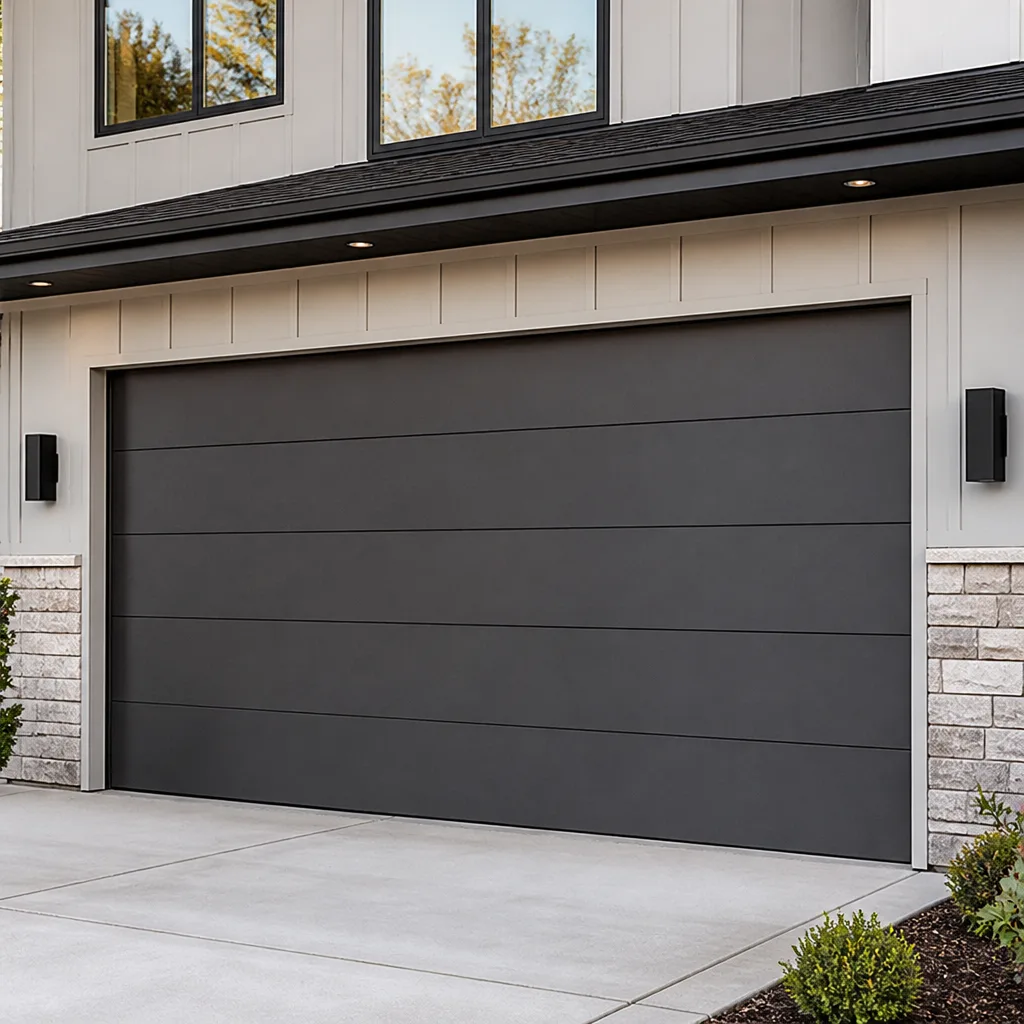 Modern flush
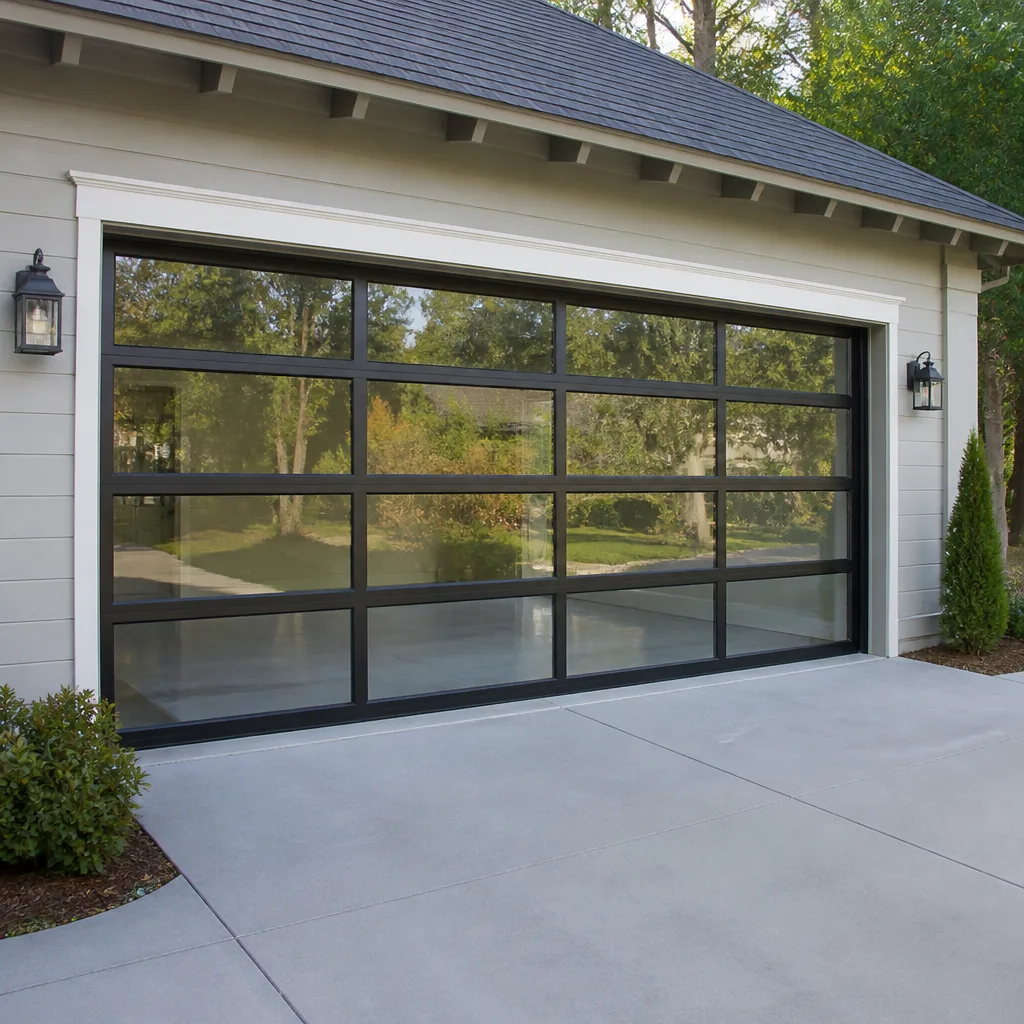 Full-view glass
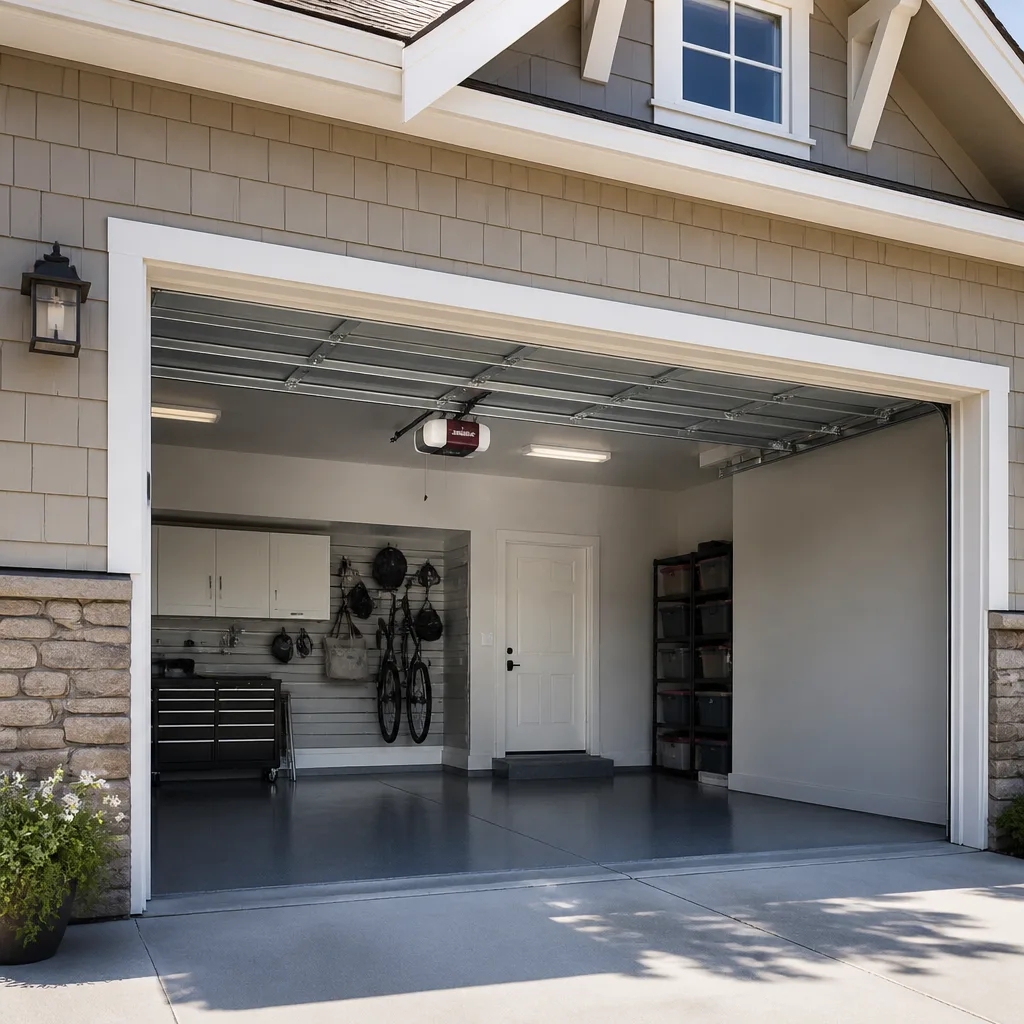 LiftMaster openers
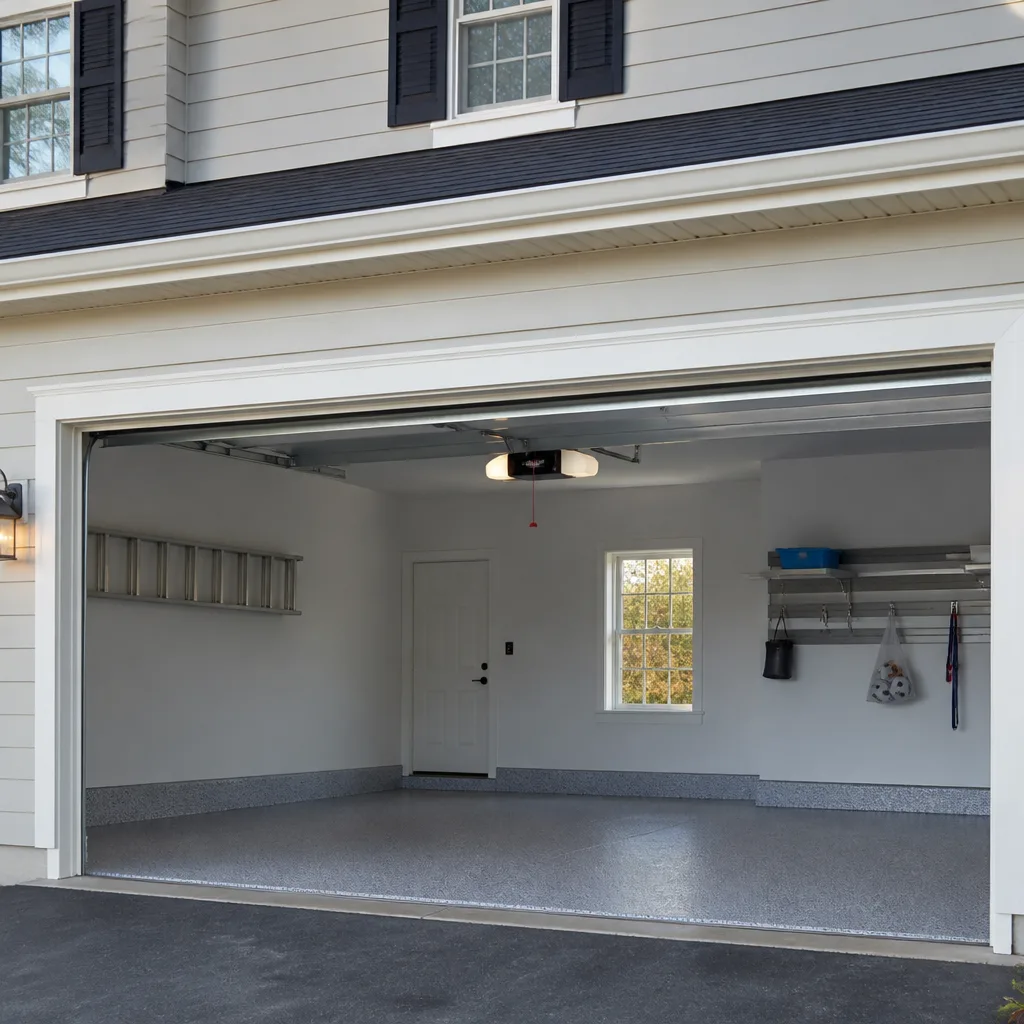 Chamberlain openers
Full 25-point door and opener safety check with every visit - springs, cables, rollers, tracks, and your LiftMaster or Chamberlain opener included
You get a price before we start. It does not change when the pro arrives.
Get your free estimateThe Complete Guide to Garage Doors in Seminole Heights
Most garage door guides are written for a generic suburb where every house has a flat two-car slab, a deep lot, and a homeowner who never has to think about historic review boards. That’s not Seminole Heights. Here, a single block can hold a 1940s bungalow with a low, narrow garage, a mid-century ranch with an offset opening, and a new infill duplex with a modern carriage door. Each one asks something different from the door and the equipment behind it. Pick the wrong system and you’ll fight it for years. This guide maps the choices that actually fit the houses and the climate around Seminole Heights, from materials and spring types to openers, brands, and wind ratings.
Styles & brands we work with
- Raised-panel steel
- Carriage house
- Modern flush
- Full-view glass
- LiftMaster openers
- Chamberlain openers
Quick Answer
The right garage door in Seminole Heights depends on the age and structure of the house, not on the latest catalog spread. Bungalows and mid-century builds usually call for lighter, moisture-resistant doors sized to low openings, while newer infill homes can carry a heavier insulated door. Across every case, material and opener choice matter more in Florida than most national guides admit, and reading a wind-load label before you buy is not optional in Hillsborough County.
Table of Contents
- How Does Seminole Heights Architecture Shape Your Garage Door Choice?
- How Do Historic and Near-Historic Rules Affect Door Style in Seminole Heights?
- Which Materials Hold Up in Central Florida Humidity?
- Which Door Brands Fit Common Seminole Heights Openings?
- Which Opener Type Fits Your Garage: Belt, Chain, or Jackshaft?
- How to Read a Florida Wind-Load Rating Label
- How Do Garage Door Springs Work, and Why Hire a Pro?
- What Is Involved in a New Door Installation?
- Common Mistakes to Avoid
- When to Call a Professional
- Frequently Asked Questions
- The Bottom Line
How Does Seminole Heights Architecture Shape Your Garage Door Choice?
The garage door you should buy is dictated by the opening your house gave you, not by what’s on display. Seminole Heights grew up in phases, and the garage structure from each phase carries constraints a national guide never mentions. A 1940s bungalow near the central streets often has a single-car opening with a modest height, shallow headroom, and framing that was never designed for a heavy insulated door. A mid-century ranch may sit to one side of the house with a wider, flatter opening and more room overhead. Newer infill construction along the edges of Seminole Heights tends to have modern framing and standard dimensions, which opens up more choices.
Here’s what that means in practice when you’re working through a decision:
- Headroom and backroom: A low ceiling limits torsion spring placement and can rule out some opener styles. Measure before you fall in love with a door.
- Opening width and height: Older single-car openings are often narrower than the standard. A door that’s an inch off won’t seal. This is where a free measure saves you a return trip.
- Wall and header condition: Bungalow framing sometimes needs reinforcement before you hang a heavier door. We check this on any job where the structure is older.
- Attached versus detached: Many Seminole Heights homes have a garage set along a side driveway or standing apart from the house. That changes your opener and insulation needs.
We’ve worked enough of these houses to know that the “best” door on paper is often the one that fits the frame you already have. If an existing door is bound, noisy, or sagging, that’s usually a sign the original system was fighting the structure, and a garage door repair call is the place to start before you consider replacing anything.
How Do Historic and Near-Historic Rules Affect Door Style in Seminole Heights?
Seminole Heights is one of Tampa’s older neighborhoods, and areas near its historic designation care about the look of the streetscape, including garage doors visible from the road. That does not mean you’re locked into a single style, but it does mean the door you pick for a period home should read as appropriate for the house. A bright, modern full-view aluminum door on a 1940s bungalow can clash with everything around it, and a review board, a neighborhood association, or simply an eventual buyer may notice.
Before you order, work through these steps:
- Confirm your status. Ask your city’s building department whether your property sits within a historic or design-review area, and what the actual requirement is for your address. Rules vary block to block.
- Match period and proportion. For older bungalows and Craftsman-style homes, carriage-house and raised-panel looks tend to sit comfortably. For mid-century ranches, flatter panel profiles read better.
- Choose color and material with the house. A door that matches the trim or complements the siding looks intentional; one that fights the house looks like a replacement.
- Keep window and hardware choices restrained. Small decorative elements can tip a door from period-appropriate to out of place.
- Ask about the permit. Most cities require a permit for structural changes like a new door header or a changed opening, so confirm with your city’s building department before work starts.
In our experience, the homeowners who are happiest with their result chose a door that respects the house first and their personal taste second. That’s the surest way to avoid an expensive mistake in a Seminole Heights neighborhood where the architecture is part of the value.
Which Materials Hold Up in Central Florida Humidity?
Florida’s humidity is the quiet enemy of a garage door. National guides written for dry climates happily recommend untreated wood and hollow steel, and in Seminole Heights those two choices fail faster than they would almost anywhere else. Moisture in the air, driven by summer rain and warm nights, finds its way into seams, joints, and any spot that isn’t sealed. Hollow steel doors can rust from the inside out where condensation forms, and untreated wood will swell, warp, and grow mildew over time.
Here’s how the common materials actually behave in this climate:
- Steel with a proper finish: A sound choice when the door is fully coated and the seams are sealed. It’s affordable and strong. Inspect for scratches and touch them up, because bare spots are where rust starts.
- Aluminum: Light and rust-resistant, which suits humid air well. It dents more easily, so it’s best for low-traffic doors or homes with some protection from the weather.
- Fiberglass and composite: Won’t rot and shrugs off moisture. Good for owners who want a wood look without the upkeep.
- Treated or composite wood: Fine if it’s genuinely sealed and maintained. Untreated wood is the one to avoid in Seminole Heights.
Insulation matters too, but for a different reason. An insulated door keeps the heat out of an attached garage and cuts the noise a hollow door makes when it moves. In a neighborhood where many garages double as workshops or storage, that’s worth factoring in. When a door’s surface has already rusted, warped, or swelled, the smarter call is often replacement rather than another round of patching.
Which Door Brands Fit Common Seminole Heights Openings?
Brand choice is more practical than most door shopping trips make it sound. In Seminole Heights, openings vary so much that the brand you choose should be one that builds to the dimensions your house actually has, in materials that survive the humidity. We work across Clopay, Amarr, Wayne Dalton, LiftMaster, Chamberlain, Genie, Craftsman, and Raynor, which means we can match a door to your structure without pushing you toward a single manufacturer. We work on the brand already in your garage; there’s no reason to switch systems just to get service.
A few notes on how the common brands line up with local conditions:
- Clopay: A wide range of styles and insulation levels, which suits both the bungalow crowd and newer infill homes that want a cleaner look.
- Amarr: Solid panel choices and finish options that hold up well in humid air, good for homeowners who want a period look without untreated wood.
- Wayne Dalton: A range of profiles, with options that fit lower, narrower openings common on older Seminole Heights homes.
- Genie and LiftMaster: Strong names on the opener side, which matters as much as the door when you consider that they have to work together.
Because we service eight of the most widely installed garage door brands in the country, the door you buy and the opener behind it don’t have to come from the same place or force you into a package. We can install the door that fits and keep servicing it for years, and there’s no finger-pointing between the two trades if something goes wrong later. That single-source accountability is the practical reason brand choice in Seminole Heights usually comes down to fit, not marketing.
Which Opener Type Fits Your Garage: Belt, Chain, or Jackshaft?
Opener style should follow how your garage is built and how the space gets used. A detached garage behind the house has different needs than an attached garage where a bedroom sits above the door. Chain drives are the workhorse: strong, affordable, and reliable, but noisier. Belt drives trade some of that muscle for quiet operation, which matters if the garage shares a wall with a living area or a bedroom. Jackshaft openers mount on the wall beside the door instead of overhead, which is the answer when the ceiling is low or you want the space above the door back for storage.
Then there’s the part of opener choice most guides skip entirely: smart controls. Modern openers from LiftMaster and Chamberlain, including Chamberlain’s myQ and LiftMaster’s smart garage technology, let you run and monitor the door from your phone. Those systems are genuinely useful when your garage is your daily entry point, but they also add complexity. When a wi-fi or sensor fault hits, it needs someone familiar with that specific system, not a generalist guessing at the app. That’s why our garage door opener repair work starts with which brand and model you actually have.
To choose, answer three questions:
- How much noise can the space tolerate? Belt drive for quiet, chain where budget and power matter more.
- How much headroom do you have? Low ceilings often point to a jackshaft or a side-mount setup.
- Do you want smart access? If yes, make sure the opener supports it and that you’re comfortable with the app and battery back-up side of it.
How to Read a Florida Wind-Load Rating Label
A wind-load rating tells you how much wind pressure a door and its hardware are designed to withstand. Even well inland, doors in Hillsborough County often have to meet a wind-load requirement, and the label on the door or its documentation is how you prove it. Ignoring that label is a common and costly oversell: a door that isn’t rated for the local requirement may not pass inspection and may not perform when a strong storm rolls through. Because the area sees tropical systems, this is not a detail to leave to chance.
Here’s how to read the label without getting lost in the jargon:
- Find the pressure rating: It’s usually stated in pounds per square foot (psf). That’s the pressure the door is engineered to resist.
- Check the design pressure marking: The label or documentation should match the requirement for your address. Your city’s building department can confirm the figure for your zone.
- Match door, track, and hardware: A rated door on unreinforced hardware doesn’t earn the rating. The whole assembly has to be up to it.
- Keep the paperwork: The label or spec sheet is what an inspector will look for.
In our experience, a lot of the confusion around wind ratings comes from homeowners comparing doors by look and price while never seeing the label. Before any install, we walk through the rating and confirm it fits the requirement for the house. That step alone prevents many failed inspections in Seminole Heights.
How Do Garage Door Springs Work, and Why Hire a Pro?
Springs are what make a heavy door feel light enough to lift by hand, and they’re the most dangerous component in the entire system. A torsion spring runs on a shaft above the door and stores a tremendous amount of energy. An extension spring stretches along the side tracks. When either one lets go, it releases that energy at once, and the force is enough to cause serious injury. That’s why we never hand out step-by-step instructions for spring work. A trained technician with the right tools and the correct technique is the only safe way to replace them.
What a homeowner can safely do is watch for the signs that a spring is failing:
- A loud bang from the garage, or a door that suddenly won’t lift.
- A visible gap in a torsion spring, or a stretched and slack extension spring.
- A door that feels extremely heavy or comes down faster than it should.
- The door going up partway and stopping, or the opener straining to move it.
If you see any of those, stop using the door and call for service. Spring replacement done safely is one of the services we treat as core work, not a referral to someone else. Torsion and extension springs are a matched pair in most systems, and they’re usually replaced together, so expect the cost of a pair to reflect two springs. The written estimate sets the final price, and we quote it before any work begins. For the bigger picture on repairing the whole system, including springs and cables, the main garage door repair Seminole Heights service covers it end to end.
What Is Involved in a New Door Installation?
Installation in Seminole Heights is a measured, scheduled job, not a same-day rescue. It starts with a free measure of the opening and the structure behind it, moves through choosing a door that fits and meets the wind requirement, and ends with a careful install and a test of the whole system. Because the work depends on delivery of the right door, we ask for a little patience up front, and we give you a written price before anything is ordered.
Here’s how a typical project runs:
- Free measure and assessment. We check the opening, the headroom, the framing, and the opener you have.
- Door selection. You choose style, material, insulation, and finish against the realities of the house and the climate.
- Wind rating and permit check. We confirm the rating meets your local requirement and confirm permit needs with your city’s building department.
- Written estimate. You get the price in writing before anything is ordered or built.
- Installation. The door, tracks, springs, and opener are installed and then tested together.
- Final check. Balance, safety sensors, and operation are verified before we call it done.
For the full scope of what’s involved in replacing or installing a door, see our garage door installation page. The point of the process is simple: the door you get on install day is the door that fits your Seminole Heights home and passes inspection, not the one that happened to be in stock.
Common Mistakes to Avoid
- Buying by look before measuring. The most common mistake is falling for a door profile before checking headroom and opening size. In older Seminole Heights bungalows, that gap between the catalog and your framing is where the return trip comes from. Measure first, then choose.
- Choosing untreated wood or hollow steel in this humidity. These fail faster in central Florida than national guides suggest, rusting and swelling from moisture. Pick a finish that’s sealed and maintain it.
- Ignoring the wind-load label. A door without the right rating for your address can fail inspection and underperform in a storm. Confirm the label before you buy, not after.
- Attempting spring work yourself. Torsion and extension springs store dangerous energy. A homeowner who tries to replace them risks serious injury. This is a job for a trained technician.
- Replacing the door but keeping a failing opener. An old opener that’s already straining won’t run a new, heavier door well. Have both checked together.
- Ordering parts without matching the brand. Openers and doors from different makers can work together, but the parts have to match the actual system. We match the brand already in your garage so you’re not stuck waiting on a special order.
- Skipping the permit question. Structural changes to an opening usually need a permit. Ask your city’s building department before work starts, not after.
When to Call a Professional
Some garage door problems are a loose bolt or a sensor knocked out of line. Others are genuinely dangerous, and it’s worth knowing the difference. Call a professional when you hear a loud bang from the garage, when the door won’t lift or comes down too fast, when a spring looks broken or slack, or when you see cables that appear frayed. Call when the opener strains, reverses for no clear reason, or won’t respond to the remote or the smart app. And call before you install a new door on your own; the wind rating and structural fit are not guesswork.
In Seminole Heights, Garage Door Repair Seminole Heights offers free estimates. Call (877) 757-4452 and we’ll look at the actual problem and give you a written price. Our technicians have up to 15 years of experience, and we quote the work before it starts so you know what you’re agreeing to.
Frequently Asked Questions
A lighter, moisture-resistant door sized to your opening usually works best for an older bungalow, ideally in a carriage-house or raised-panel profile that fits the period. Confirm the wind rating for your address before you buy.
Most cities require a permit for structural changes like a new header or a changed opening, so ask your city’s building department about your specific address. Replacing a door in the same opening may have different rules than changing the opening, so confirm before work starts.
No. Torsion and extension springs store enough energy to cause serious injury when they release, so replacing them is a job for a trained technician. Call (877) 757-4452 for a free estimate if a spring looks broken, slack, or feels wrong when you lift the door.
A chain drive is a good fit for many detached garages because noise carries farther from the house, while a belt drive is quieter if the garage shares a wall with living space. Low ceilings often call for a jackshaft or side-mount opener. The right choice depends on headroom, noise tolerance, and whether you want smart access.
Central Florida’s warm, humid air works into seams and unsealed spots, which is why untreated wood swells and hollow steel can rust from the inside out. A fully sealed steel door, aluminum, or composite holds up better. Touch up scratches and keep the finish sealed.
A new door in Seminole Heights is a measured, scheduled job, so the timeline depends on delivery of the right door and your door’s size and style. We start with a free measure, give you a written price, and schedule the install once the door is confirmed. Call (877) 757-4452 to book the measure.
The Bottom Line
The right garage door in Seminole Heights is the one built for your house and this climate, not the one on the showroom wall. Measure the opening and check your headroom before choosing a style, and treat period and historic considerations as a real constraint on older homes. Pick a material that survives Florida humidity, a door that carries the correct wind-load rating, and an opener that fits whether your garage is attached or detached. Leave spring work to a trained technician. When you’re ready to move from research to a plan, Garage Door Repair Seminole Heights offers free estimates and upfront pricing on repair, installation, springs, openers, and parts. Call (877) 757-4452 for your free estimate.
Written by the team at Garage Door Repair Seminole Heights.
See the difference
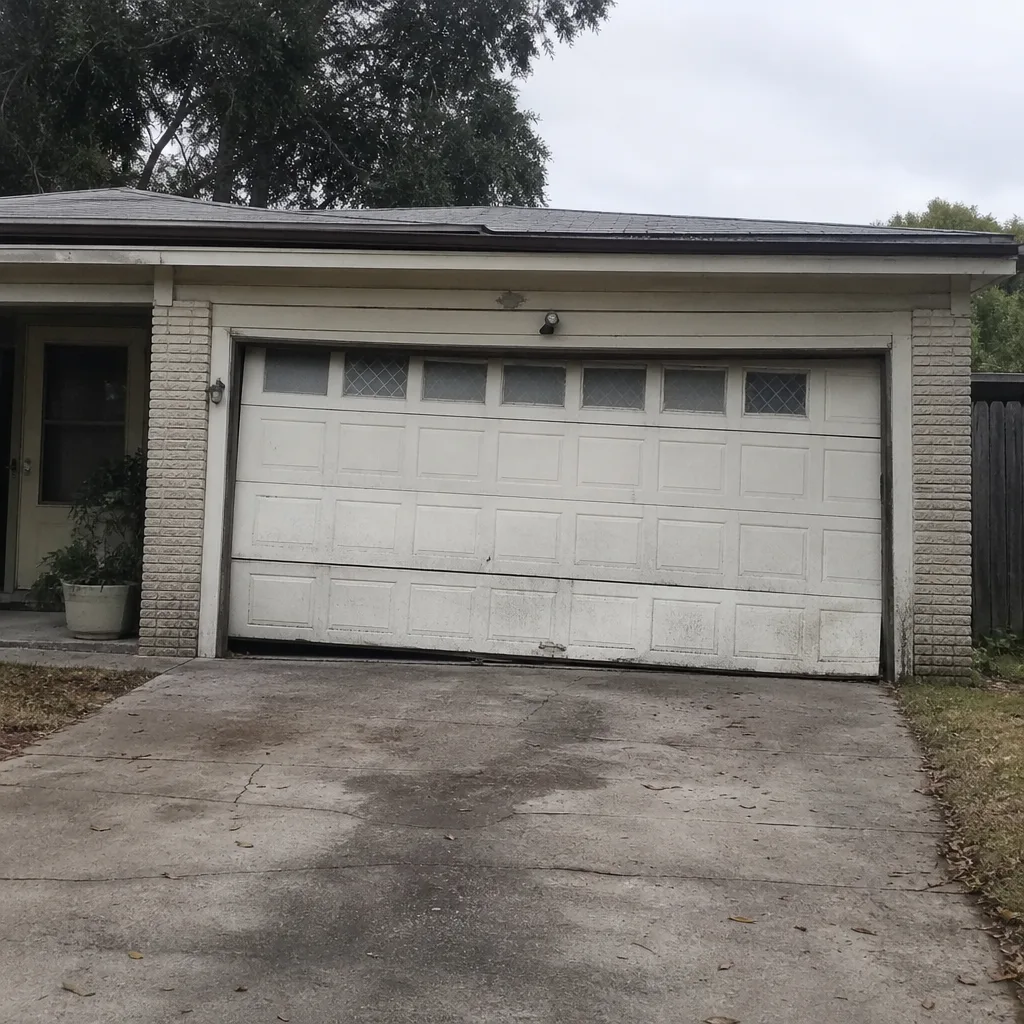 Before
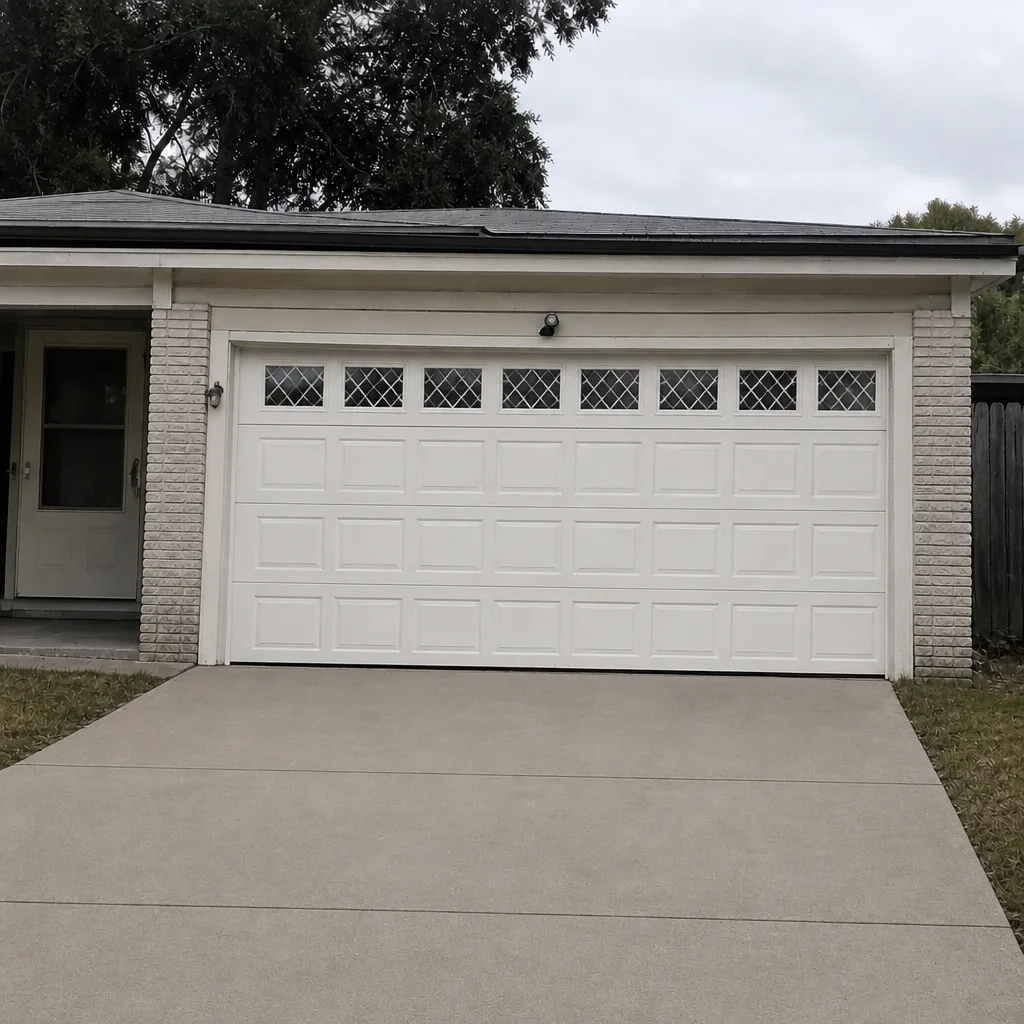 After
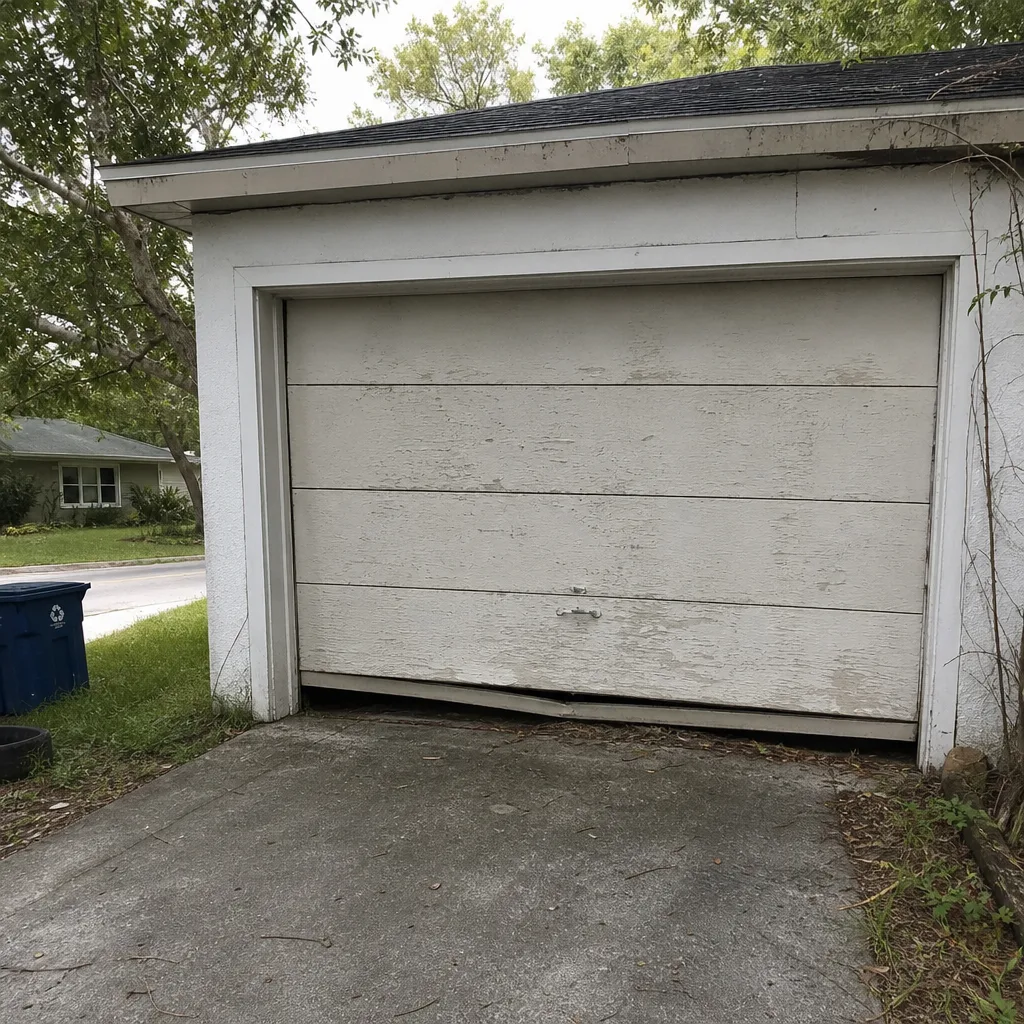 Before
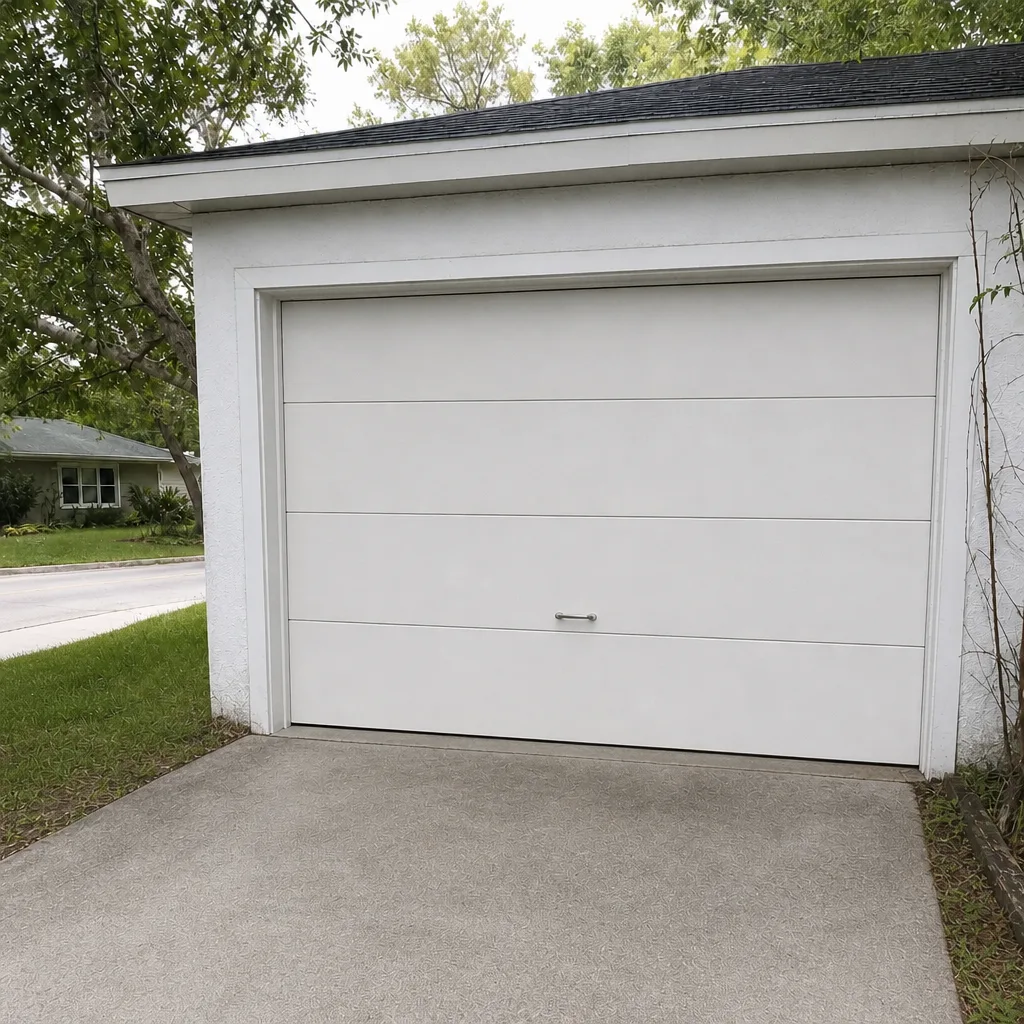 After
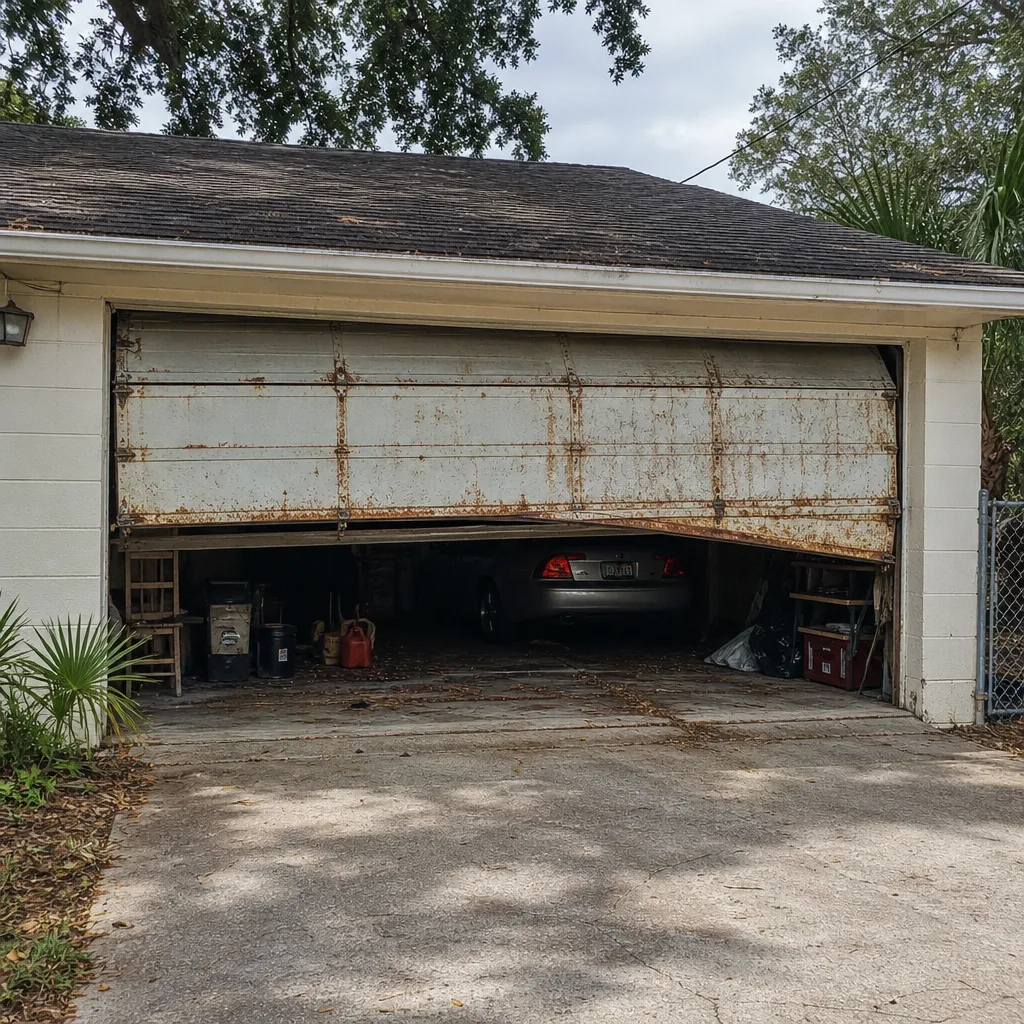 Before
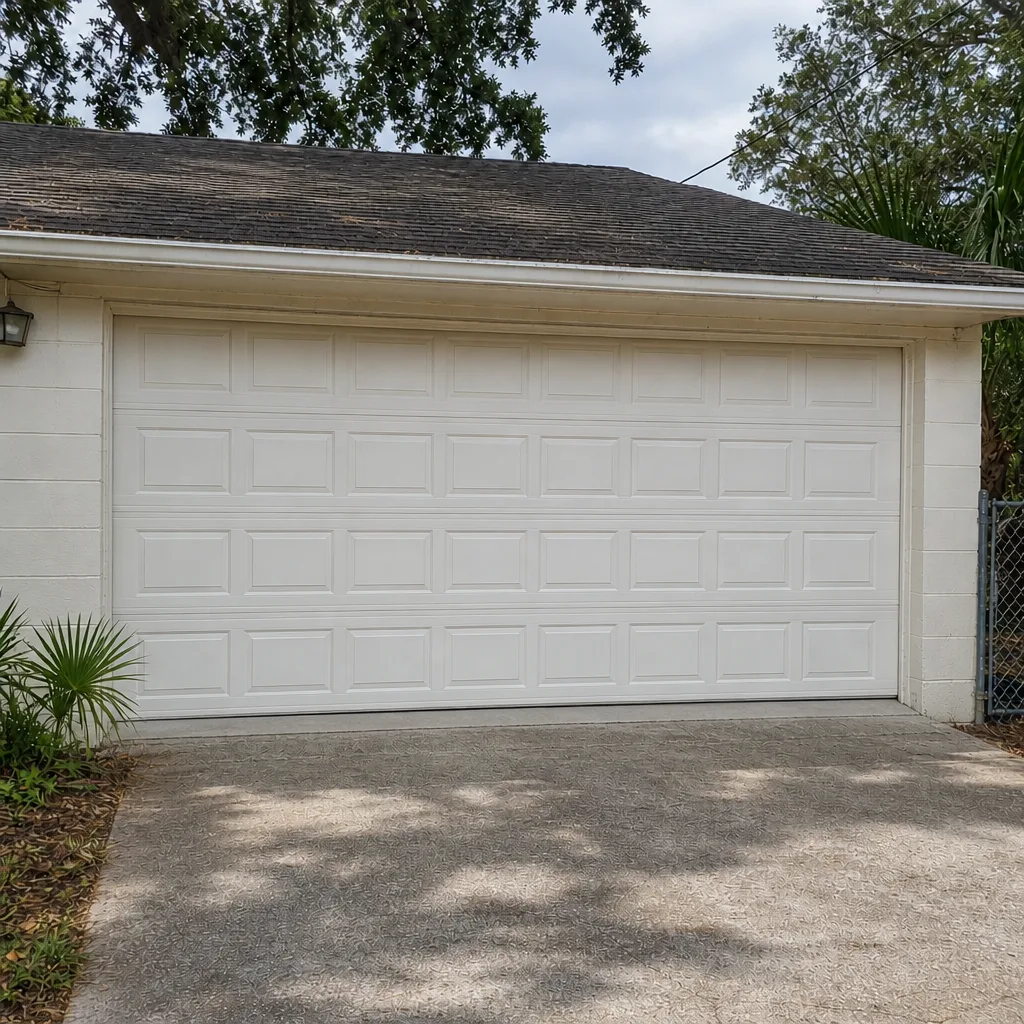 After